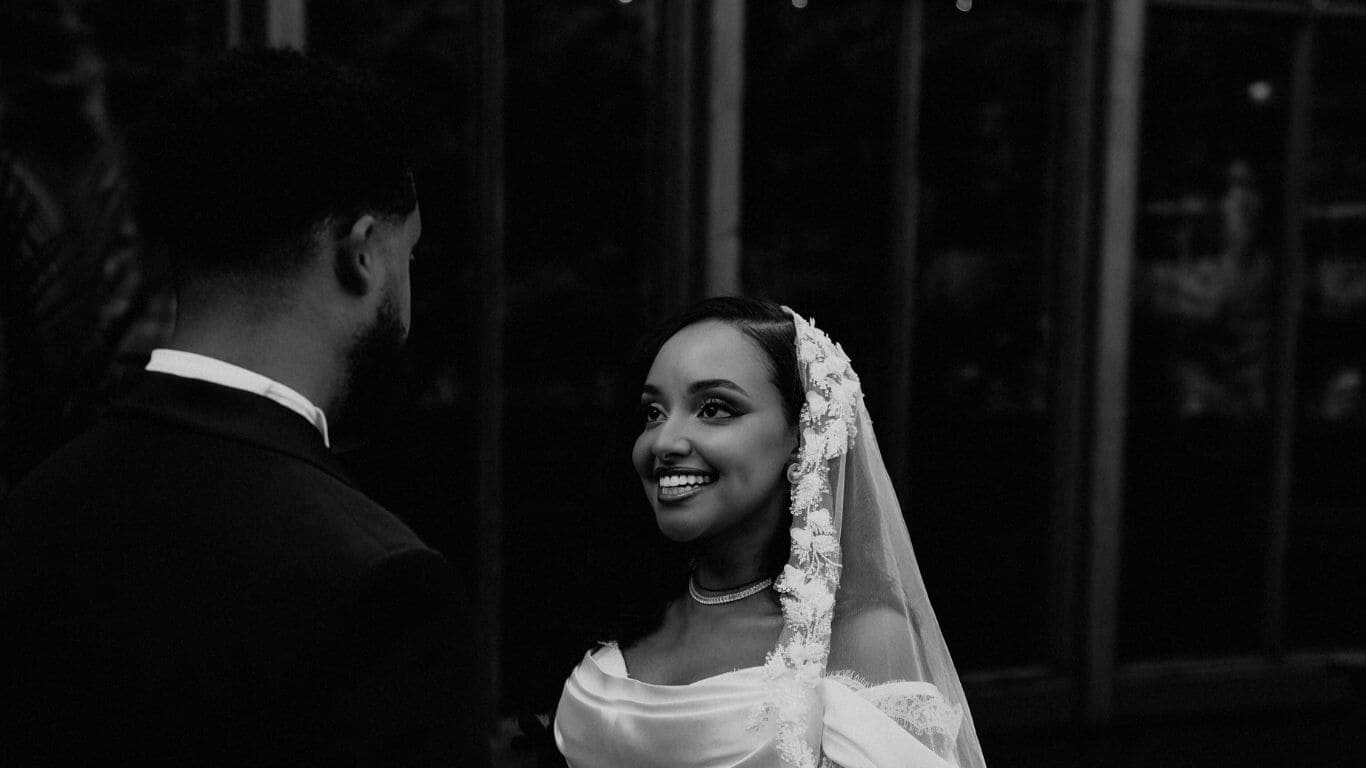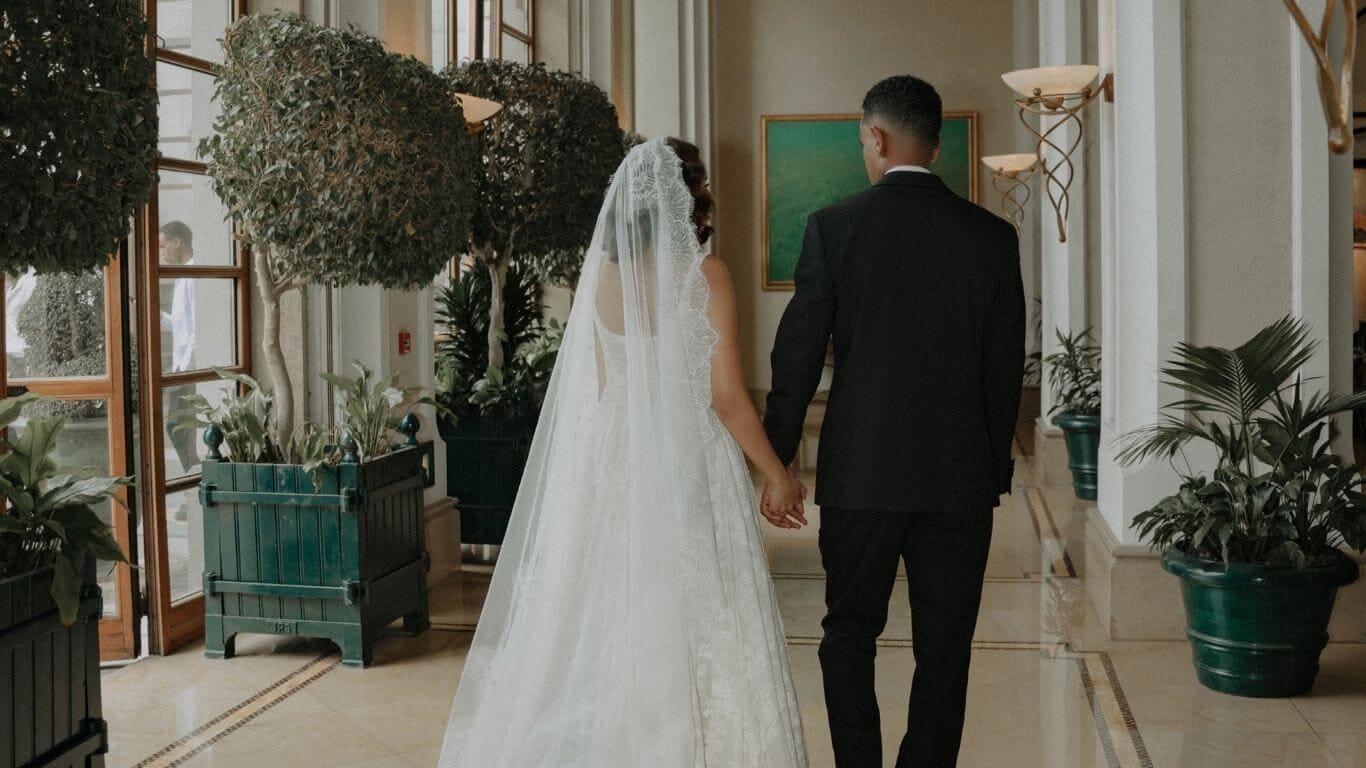
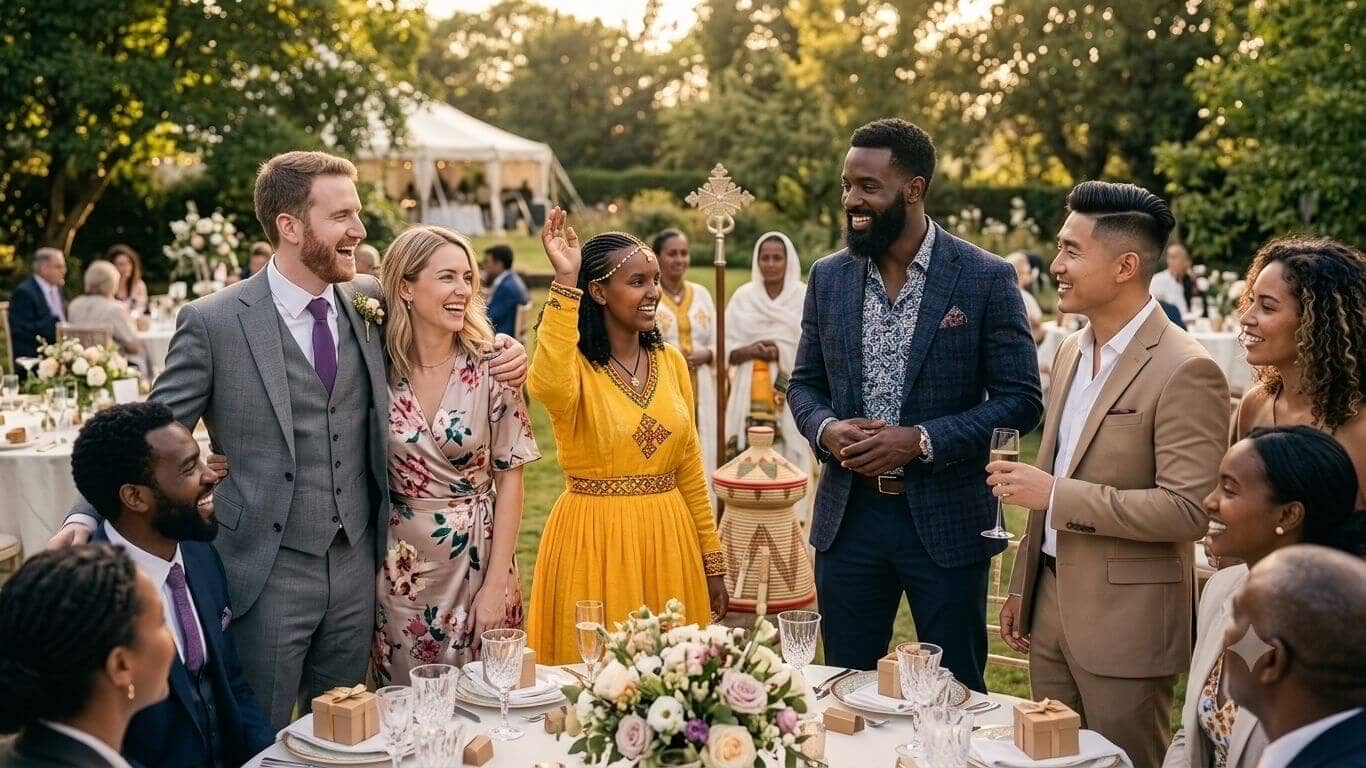
Whether you’re a foreigner or a local attending your first Ethiopian wedding, here’s everything you need to know about what to wear, what to expect, gifts, traditions, and guest etiquette.
An Ethiopian wedding is more than a ceremony between two people. It is a celebration that brings together families, friends, elders, and entire communities. Filled with music, traditional customs, food, dancing, and genuine hospitality, Ethiopian weddings are often a reflection of the country’s deep respect for family and cultural connections.
However, there is no single Ethiopian wedding experience. Traditions can vary depending on religion, ethnicity, region, family background, and whether the celebration is traditional, religious, civil, or a modern wedding held in a hotel or event venue.
For foreigners visiting Ethiopia, Ethiopians living abroad returning home for a wedding, or locals attending their first Ethiopian wedding, the experience can feel unfamiliar at first. Knowing what to expect before arriving can make the celebration more enjoyable and help you participate in a way that feels respectful.
From what to wear and what gifts to bring to wedding etiquette, traditions, and the moments you should be prepared for, this guide covers everything you need to know before attending an Ethiopian wedding.
Before Attending an Ethiopian Wedding
Understand the Type of Ethiopian Wedding You Are Attending
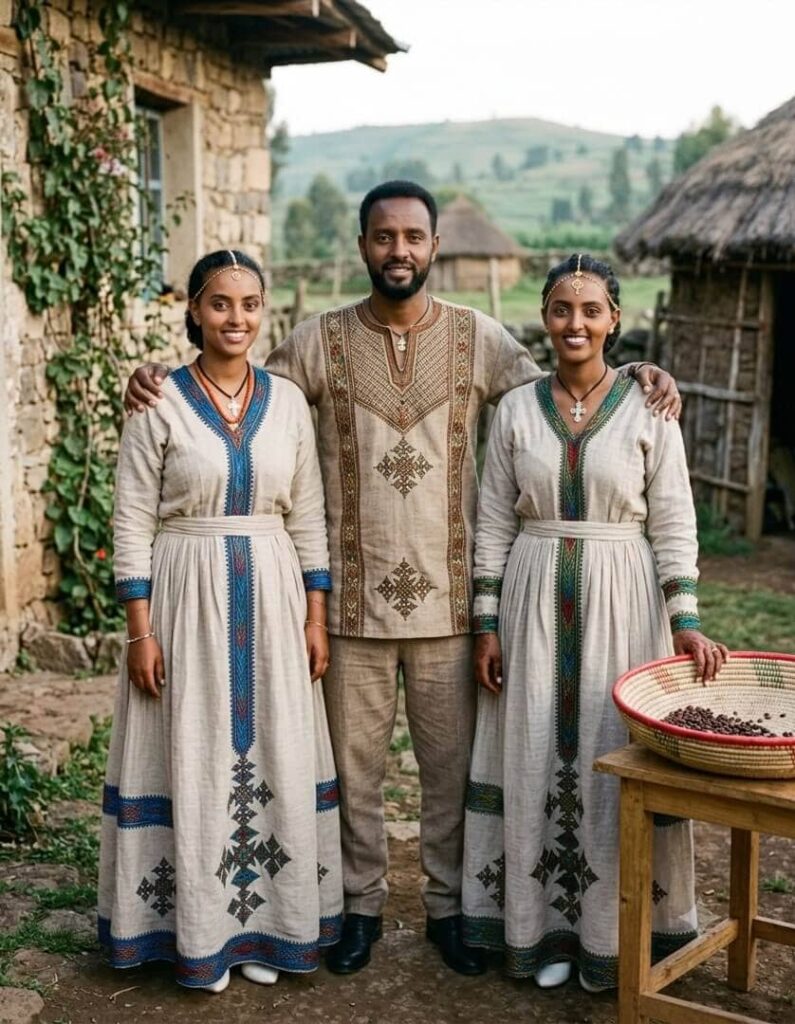
One of the biggest mistakes first-time guests make is assuming every Ethiopian wedding follows the same traditions. In reality, the experience can be very different depending on the couple’s religion, cultural background, family customs, and even where in Ethiopia the wedding takes place. Knowing the type of wedding you’re attending will help you choose the right outfit, understand what to expect, and avoid unintentionally breaking etiquette.
Ethiopian Orthodox Christian Weddings
Ethiopian Orthodox weddings are among the country’s most well-known marriage ceremonies and are deeply rooted in the traditions of the Ethiopian Orthodox Tewahedo Church. The church service can last several hours and follows religious rituals, including prayers and blessings from priests and elders, that have been observed for generations.
Guests should dress modestly, arrive on time, and be respectful throughout the ceremony. Some churches may also restrict photography or videography during certain parts of the service.
@ayshaharun The most perfect day celebrating my brother & his wife 🥹🤎✨🇪🇹 #harariwedding #weddingday #ethiopian #muslimwedding #harari #culture Follow his podcast for a full vlog coming soon! @Cousin Connection Podcast ♬ original sound – Aysha Harun
Muslim Ethiopian Weddings
Muslim weddings in Ethiopia combine Islamic marriage traditions with local customs that may vary between communities and regions. While the wedding ceremony itself may be more private, the celebrations that follow are often lively gatherings with family, friends, food, and music.
If you’re attending for the first time, it’s always a good idea to ask the couple or a close family member if there are any customs or dress expectations you should know beforehand.
Traditional Ethiopian Cultural Weddings
Traditional weddings, often including the engagement ceremony that involves customs like shimagelay and telosh, are the most common type of wedding in Ethiopia.
Some families choose to celebrate their marriage through traditional cultural ceremonies, either on their own or alongside a religious or civil wedding. These celebrations often highlight local customs, traditional music, cultural dances, blessings from elders, and Ethiopian attire such as the Habesha Kemis and Kaba.
In many communities, the wedding celebration doesn’t end after the ceremony. Families may continue celebrating with events such as the Melse, a post-wedding gathering where relatives and close friends come together again to share food, music, and traditional dress. Some communities also hold a Kilkil (Hamaweti) celebration hosted by the groom’s family to welcome the two families and continue the festivities.
Civil or Legal Weddings
A civil wedding is often called a court wedding and is the legally backed type of wedding in the country.
Some couples prefer a civil marriage, especially if they want a legally recognized ceremony before holding a religious or traditional celebration. These weddings are usually shorter and more formal, often taking place at a government office or designated venue before family and friends gather for a reception.
Modern Ethiopian Weddings
Modern Ethiopian weddings have become increasingly popular, particularly in cities like Addis Ababa. They often take place in gardens, hotels, or event halls and feature Western-style wedding dresses, suits, professional décor, DJs or live bands, and elegant receptions.
Even with a modern setting, many couples still incorporate Ethiopian traditions, whether through traditional clothing, cultural performances, family blessings, or a Melse celebration after the wedding.
Practical Tip Before You Attend
Before the wedding day, ask the couple or someone close to them what kind of ceremony and celebration you’re attending. Knowing whether it’s an Orthodox church wedding, a Muslim wedding, a traditional cultural celebration, a civil ceremony, or a modern reception will help you dress appropriately, arrive at the right time, and understand what to expect.
What to Wear to an Ethiopian Wedding
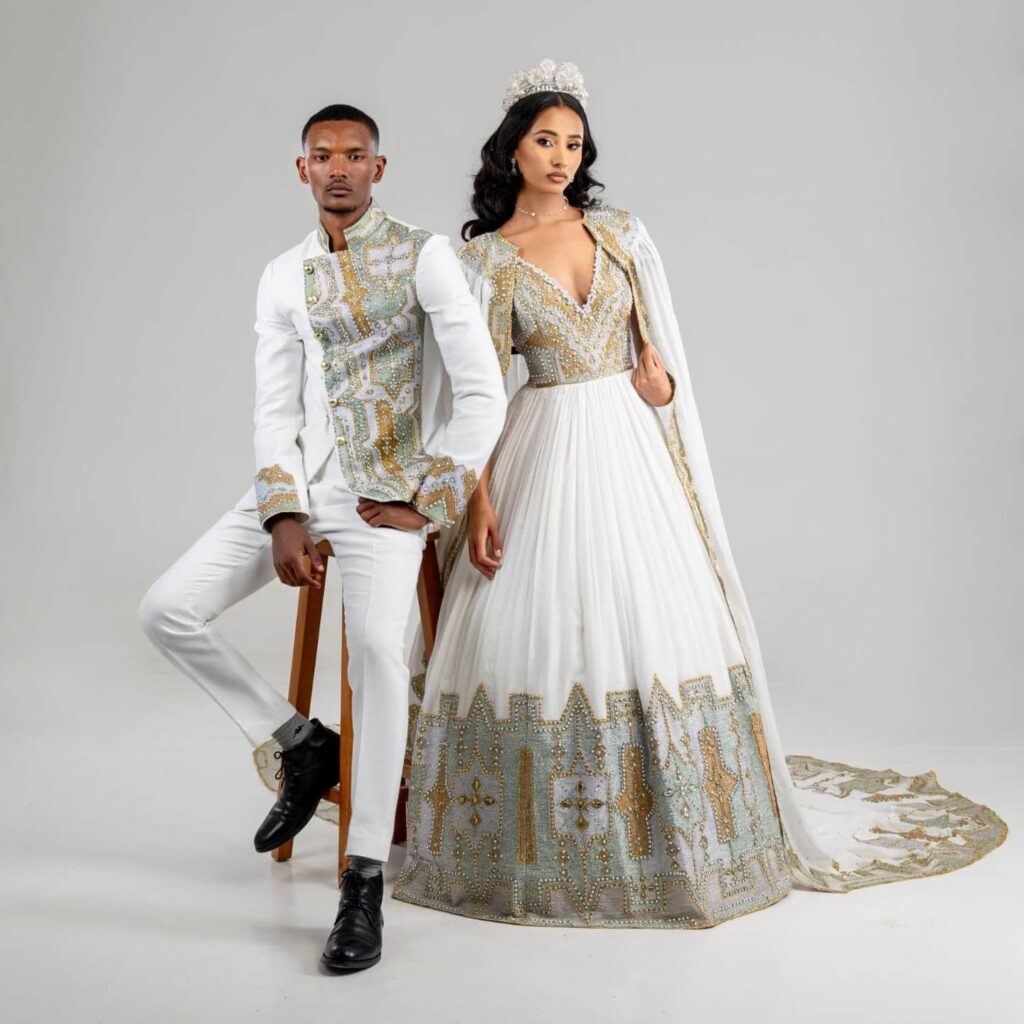
Choosing the right outfit for an Ethiopian wedding is easier than many first-time guests think. The most important rule is simple: dress respectfully and follow the dress code, if there is one. Many couples include a dress code on their wedding website or invitation card, while others may request traditional Ethiopian attire or a specific color theme. If you’re unsure, ask the couple or someone close to the family before the wedding.
What Women Should Wear
Women are generally expected to wear formal or semi-formal attire, depending on the type of wedding and venue. Elegant dresses, evening wear, and traditional Ethiopian clothing are all appropriate choices.
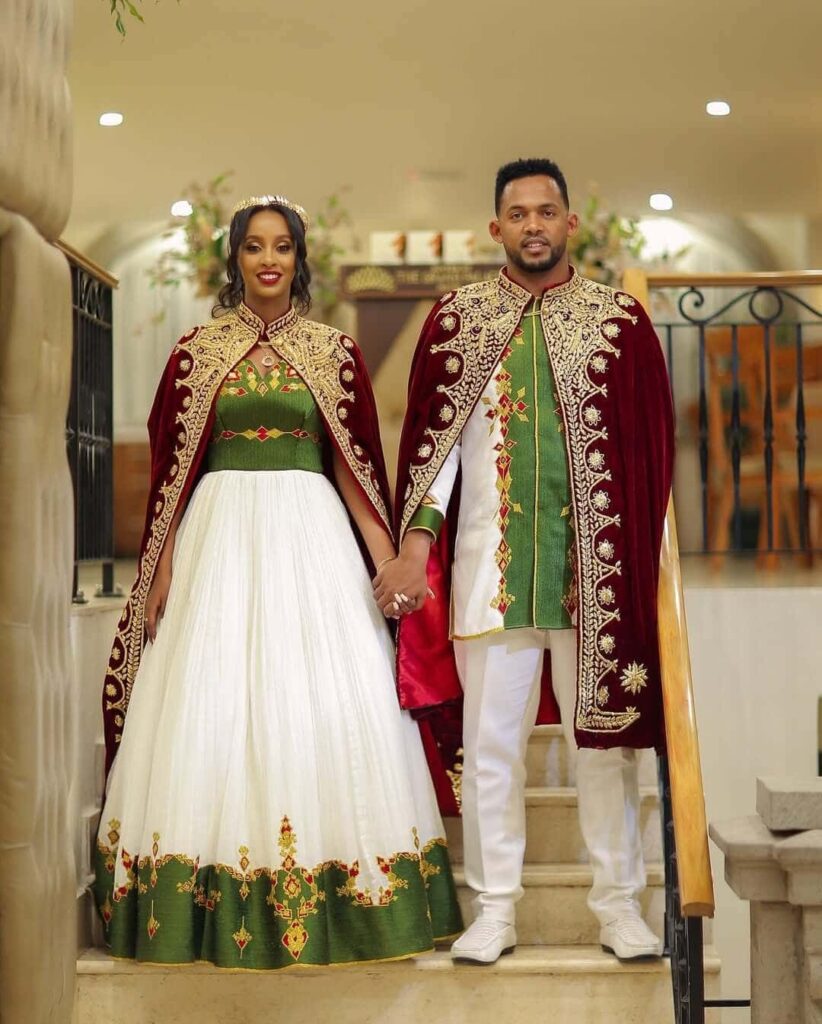
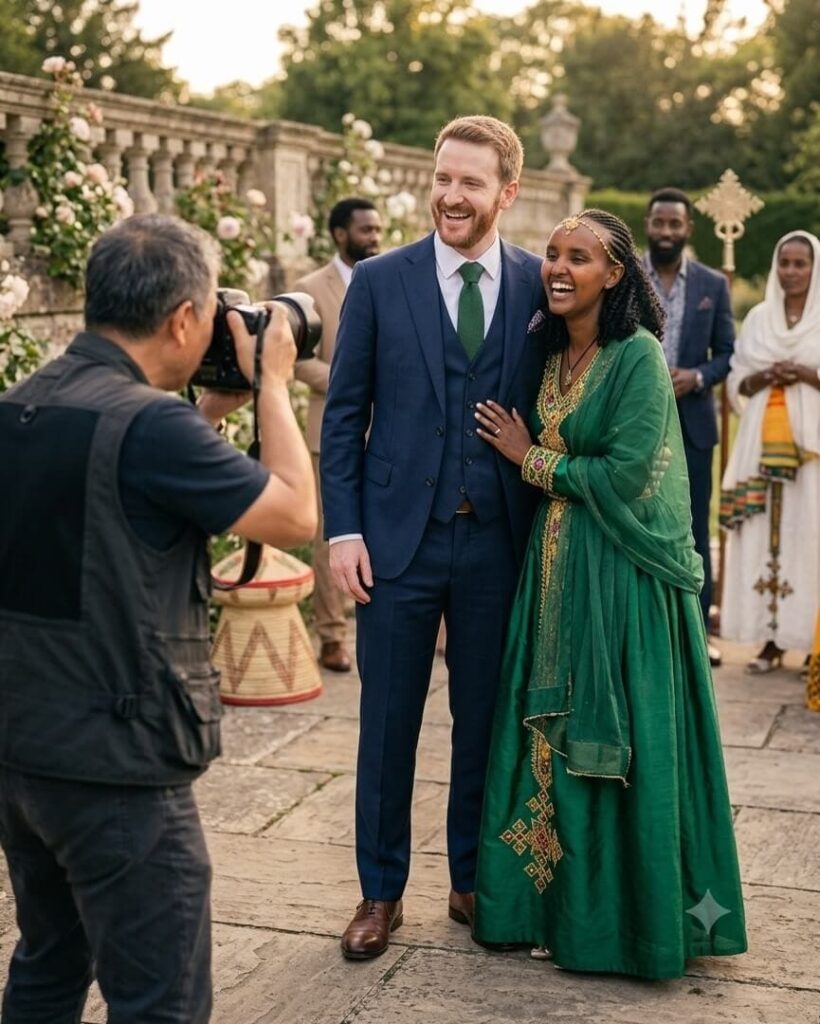
One of the most popular options is the Habesha Kemis, a beautiful ankle-length dress traditionally made from handwoven cotton and decorated with tibeb embroidery around the neckline, sleeves, and hem. It is a timeless choice for Ethiopian weddings, especially Orthodox Christian ceremonies, and wearing one is usually seen as a sign of appreciation for Ethiopian culture rather than disrespect.
Many women also pair the Habesha Kemis with a Netela, a light cotton shawl draped over the shoulders. Besides completing the outfit, it provides additional modesty during church ceremonies and can be easily adjusted throughout the day.
If you’re not wearing traditional clothing, choose a formal dress in elegant, festive colors. Leave overly casual outfits, revealing clothing, and anything that could draw attention away from the couple at home.
What Men Should Wear
For most Ethiopian weddings, a well-fitted suit or formal shirt and trousers are perfectly appropriate. Dark or neutral colors are always a safe choice unless the couple requests a particular dress code.
Men who want to embrace Ethiopian tradition can wear Habesha Libs, a traditional outfit made from handwoven cotton, often paired with a Gabi or Netela during religious ceremonies. Like the Habesha Kemis, wearing traditional Ethiopian clothing respectfully is generally welcomed and appreciated.
Dress Modestly for Religious Ceremonies
If the wedding includes a ceremony at an Ethiopian Orthodox Tewahedo Church or a Muslim Nikah, modest clothing is strongly encouraged.
For women, dresses that cover the shoulders and fall below the knees or to the ankles are usually the safest option. A Netela can also be useful for additional coverage inside the church.
For men, avoid shorts, sleeveless tops, or overly casual clothing. A suit or smart traditional attire is the most appropriate choice.
Should Foreign Guests Wear Ethiopian Traditional Clothing?
Absolutely—if you want to.
Many foreign guests worry that wearing Ethiopian clothing might seem disrespectful, but in most cases, families appreciate the effort to embrace local traditions. The key is to wear it respectfully rather than as a costume.
If you’re unsure which style is appropriate, ask the couple or a family member for guidance. They may even recommend where to rent or buy authentic Ethiopian attire. However, avoid wearing clothing or accessories with religious or ceremonial significance unless you understand their purpose.
Don’t Forget Comfort
Ethiopian weddings are often long celebrations. Between the ceremony, family photos, greeting relatives, the reception, dancing, and post-ceremony activities, you may be on your feet for several hours.
Choose breathable fabrics, especially if you’re attending a daytime wedding, and wear comfortable shoes you can stand and dance in. Elegant flats, block heels, polished dress shoes, or traditional Ethiopian leather sandals are often more practical than very high heels or uncomfortable footwear.
When in doubt, it’s always better to be slightly overdressed than underdressed. Ethiopian weddings are special occasions, and making an effort with your appearance is one of the easiest ways to show respect for the couple and their families.
Read More: Ethiopian Wedding Attire Guide: What Brides, Grooms, and Guests Wear
What Should You Bring to an Ethiopian Wedding?
One question almost every guest asks before attending an Ethiopian wedding is, “Should I bring a gift?” The answer is yes, although what you give depends on your relationship with the couple, family traditions, and the type of wedding. If you’re unsure, don’t hesitate to ask the couple or someone close to them what they would appreciate most.
Cash Gifts Are Common
In Ethiopia, giving cash is one of the most common wedding gifts, especially in larger cities such as Addis Ababa, where many newlyweds prefer financial support as they begin married life. Cash is also appreciated in many rural communities, although local customs and family traditions may vary.
There is no fixed amount you are expected to give. Close family members and close friends often give more than colleagues, neighbors, or acquaintances. The most important thing is choosing an amount that reflects your relationship with the couple and what you can comfortably afford.
Depending on the wedding, cash may be given in a gift envelope during the celebration, transferred by bank or mobile money before or after the wedding, or shared through another method preferred by the couple.
Wedding Registries Are Becoming More Common
While traditional gift-giving remains popular, more Ethiopian couples, particularly in urban areas, are now creating wedding registries to help guests choose meaningful gifts or contribute towards specific needs.
Some registries allow guests to purchase household items, while others focus on cash contributions that the couple can use however they choose.
For example, JanaTribe offers couples the option to create a free online wedding registry where guests can contribute cash gifts or purchase items from the couple’s chosen registry. This makes gift-giving easier for both local and international guests, especially if they cannot attend the wedding in person.
Should You Buy a Physical Gift Instead?
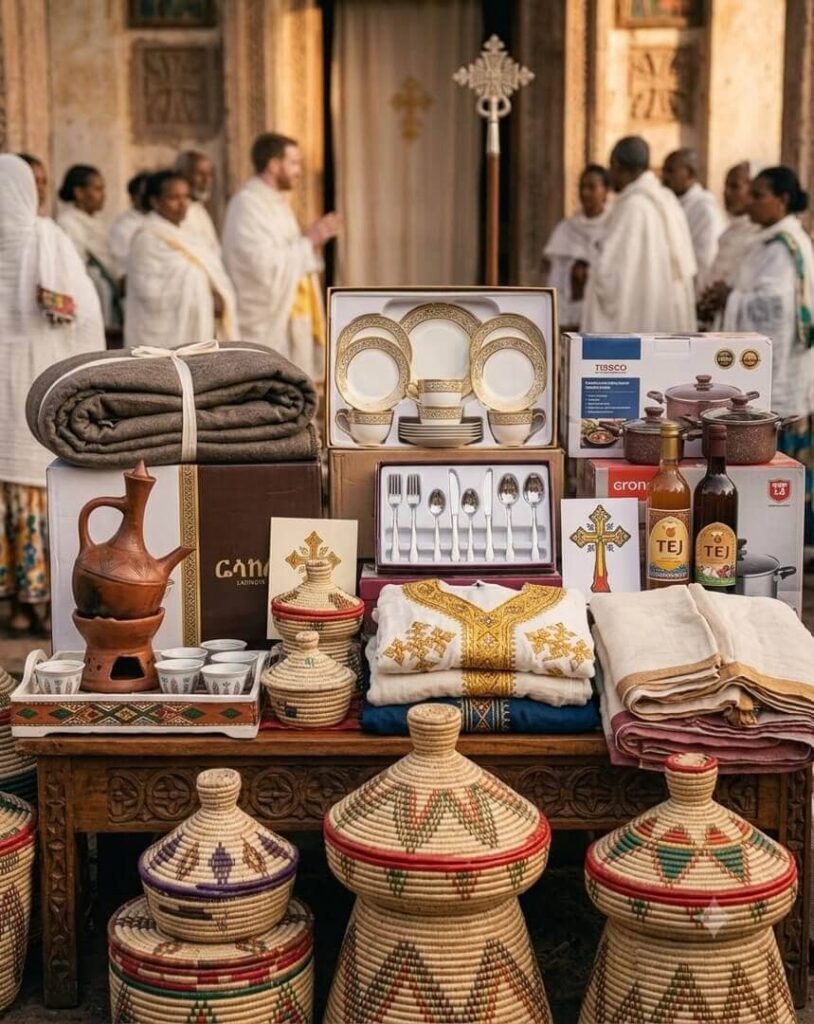
Absolutely. While cash is often the most practical option, a thoughtful physical gift is always appreciated if you know the couple well.
Popular wedding gift ideas include:
- Traditional Ethiopian coffee ceremony sets
- Handwoven textiles such as Netela, Gabi, or decorative home fabrics
- Handmade home décor, including Mesob baskets, pottery, Ethiopian artwork, or decorative crosses
- Personalized gifts such as engraved keepsakes or custom artwork
- Traditional Ethiopian jewellery
- Handmade Ethiopian leather bags, wallets, belts, or shoes
If you’re traveling from abroad, bringing a meaningful gift from your home country can also be a thoughtful gesture. Many couples appreciate receiving something that reflects your culture or has personal significance. Alternatively, you can support local artisans by purchasing a quality gift in Ethiopia before the wedding.
Other Things to Bring
Besides your gift, there are a few practical items worth having with you on the wedding day:
- Your phone or camera for photos, while respecting any photography rules.
- Comfortable shoes, as Ethiopian weddings often involve several hours of standing, walking, and dancing.
- Small personal essentials such as tissues, water, medication, or a portable phone charger if you’ll be away for most of the day.
- Patience and flexibility, as celebrations may run longer than expected and schedules can sometimes change.
A little preparation goes a long way. Arriving with an appropriate gift and the essentials you’ll need for the day allows you to focus on what matters most: celebrating the couple and enjoying one of Ethiopia’s most memorable occasions.
Read More: 10 Best Ethiopian Wedding Gift Ideas for Couples
Invitations, Guests, and Timing Expectations
Once you receive an invitation to an Ethiopian wedding, don’t assume it works exactly like weddings you’ve attended elsewhere. Ethiopian weddings are often large celebrations that bring together extended families, friends, neighbors, colleagues, and entire communities. Understanding the invitation and planning ahead will help you arrive prepared and avoid last-minute surprises.
Read the Invitation Carefully
Wedding invitations usually include the ceremony location, reception venue, date, and start time. Some couples host both the religious ceremony and reception on the same day, while others may invite guests to only one part of the celebration.
Invitations can be formal printed cards, digital invitations, or even verbal invitations from close family and friends. If you’re unsure whether you can bring a guest or children, don’t assume. It’s always better to ask the couple or whoever invited you.
If the invitation is written in Amharic, Tigrinya, Oromo, or another Ethiopian language that you don’t understand, ask someone to help translate it so you don’t miss important details.
RSVP if Requested
If the couple asks guests to RSVP, try to respond as early as possible. It helps them plan seating, catering, transportation, and other wedding arrangements.
Many modern Ethiopian couples now use wedding websites to manage invitations and guest lists. For example, couples using JanaTribe can collect RSVPs online, keep track of guest numbers, note dietary requirements or food allergies, organise seating arrangements, and share important wedding updates with guests before the big day.
Even if the RSVP isn’t mandatory, letting the couple know whether you’ll attend is always a thoughtful gesture.
Understand the Timing
One thing many first-time guests notice is that the ceremony and reception may have different start times and even different venues.
If you’re attending an Ethiopian Orthodox church wedding, aim to arrive early or on time, as the religious ceremony follows a more structured schedule and can last several hours.
For larger receptions, the celebration may not always follow the exact timeline printed on the invitation. Family arrivals, photography, and other parts of the day can affect the schedule, so it’s best to be patient and flexible rather than expecting everything to happen at a precise time.
Plan Your Journey
If you’re travelling to the wedding, especially in Addis Ababa or another major city, allow extra time for traffic. Some wedding venues, gardens, churches, and event halls are located outside the city centre, and reaching them can take longer than expected.
Before leaving, confirm the venue location, arrange your transportation in advance, and check whether parking is available if you’re driving. If you’re travelling from abroad, it’s also worth saving the venue address on your phone or sharing it with your driver to make the journey easier.
A little planning before the wedding day means you’ll spend less time worrying about directions or timing and more time enjoying the celebration.
Read More: Types of Marriages in Ethiopia
What to Expect at an Ethiopian Wedding
Arriving and Greeting Guests
Your first few minutes at an Ethiopian wedding often set the tone for the rest of the celebration. Whether you’re attending as a close family friend, a colleague, or an international guest, don’t be surprised if people warmly welcome you and make an effort to introduce you to others. Ethiopian hospitality is well known, and guests are generally treated with genuine kindness and respect.
As you arrive, you’ll likely greet the couple’s family, friends, and other guests before finding your seat. Handshakes are common, and among relatives and close friends, hugs or cheek-to-cheek greetings are also normal. If you’re introduced to parents, grandparents, or other elders, greet them politely and take a moment to acknowledge them before moving on. Showing respect to elders is an important part of Ethiopian culture and is always appreciated.
You don’t need to speak fluent Amharic to make a good impression, but learning a few simple greetings can go a long way. For example:
- Selam – Hello
- Dehna neh? (to a man) / Dehna nesh? (to a woman) – How are you?
- Ameseginalehu – Thank you
Don’t worry if your pronunciation isn’t perfect. Most people will appreciate the effort, and many guests, especially in larger cities like Addis Ababa, also speak English. A warm smile, good manners, and genuine respect will always matter more than speaking the language fluently.
If you’re unsure where to sit, when to greet the couple, or what to do next, simply ask a family member, usher, or another guest. Ethiopian weddings are known for making people feel included, and someone will almost always be happy to help you find your way.
Read More: Inside Ethiopian Wedding Traditions and Customs
What Happens During the Wedding Ceremony?
The wedding ceremony is where Ethiopian traditions, family values, and religious beliefs often come together. What you experience will depend on the couple’s background, but most Ethiopian weddings place a strong emphasis on family, blessings, and celebrating the union of two people.
Some ceremonies are deeply religious, while others are more cultural or modern. In many cases, couples combine different elements, such as a church ceremony followed by a traditional celebration and a modern reception.
Ethiopian Orthodox Christian Wedding Ceremony
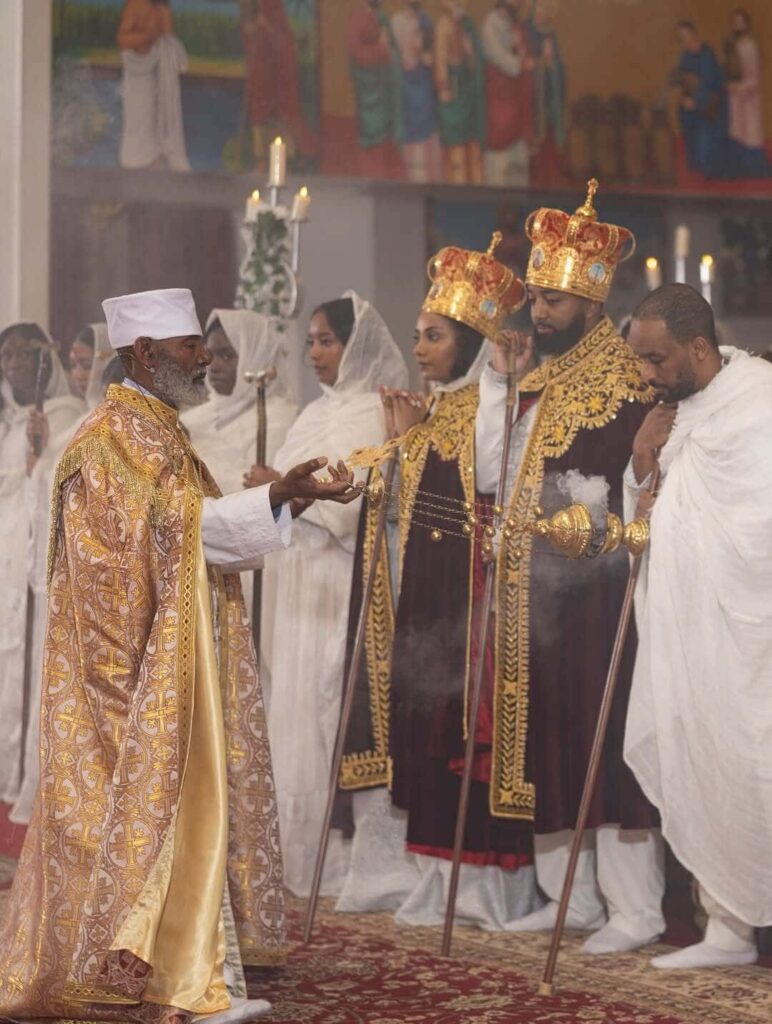
For couples who follow the Ethiopian Orthodox Tewahedo Church, the wedding ceremony is a deeply spiritual experience. The church setting is usually formal and respectful, with prayers, blessings, and religious rituals led by priests.
As a guest, treat the church as a place of worship rather than just an event venue. Dress modestly, keep your voice low, and follow the lead of other guests when it comes to standing, sitting, or moving during the ceremony.
Photography rules can vary from one church to another. Some moments may allow photos, while others may be restricted, so avoid taking pictures or videos if you are unsure. It is always better to ask a family member or observe what other guests are doing.
Traditional Ethiopian Wedding Ceremonies
Traditional Ethiopian weddings often highlight the importance of family, community, and cultural identity. Rather than being focused only on the couple, these celebrations recognise the joining of two families.
Guests may witness elders offering blessings, families exchanging greetings, traditional music, cultural dances, and symbolic moments that have been passed down through generations.
In some communities, family elders play an important role in welcoming the bride and groom into their new relationship. Respecting these moments and allowing them to happen without interruption is one of the best ways to show appreciation.
Modern Ethiopian Wedding Ceremonies
Many Ethiopian couples today combine cultural traditions with modern wedding styles. These celebrations may look familiar to guests who have attended Western-style weddings, with formal entrances, decorated venues, wedding dresses, suits, speeches, professional photography, and organised receptions.
However, even modern Ethiopian weddings often maintain strong cultural elements. You may still see traditional clothing, family blessings, Ethiopian music, dancing, and customs that connect the celebration to the couple’s heritage.
What Guests Should Remember
You do not need to know every tradition before attending an Ethiopian wedding. The most important things are to be respectful, observe what others are doing, and participate when invited.
If a ceremony feels unfamiliar, see it as part of the experience. Ethiopian weddings are not only about watching the couple get married; they are about celebrating family, culture, and the beginning of a new chapter together.
Read More: Traditional Marriage in Ethiopia: A Step-by-Step Journey
Experiencing the Ethiopian Wedding Ceremony: What Guests Should Expect
The wedding ceremony is often the most meaningful part of the celebration. While every Ethiopian wedding is different, guests can expect a strong focus on family, blessings, tradition, and the joining of two families.
Whether the ceremony takes place in a church, at a traditional gathering, or as part of a modern wedding celebration, the best approach is to observe, be respectful, and allow the couple and their families to lead the moment.
The Ceremony Begins with Family and Tradition
Before the main ceremony begins, guests may notice that Ethiopian weddings often involve more than just the bride and groom. Parents, elders, and extended family members play an important role in welcoming the couple and blessing their union.
Depending on the family and community, guests may witness the following:
- Elders offering blessings and advice
- Family members welcoming the bride and groom
- Traditional songs and music
- Cultural rituals symbolising the joining of two families
Religious Ceremonies and Respectful Behaviour
For couples having a religious ceremony, especially within the Ethiopian Orthodox Tewahedo tradition, guests should remember that the ceremony is also a spiritual event.
Guests should:
- Dress appropriately
- Follow the lead of others when standing or sitting
- Keep conversations quiet
- Avoid interrupting important moments
- Respect photography restrictions
If you are unfamiliar with the customs, simply observe and follow the guidance of family members or other guests.
Traditional Moments You May Witness
Depending on the couple’s background, Ethiopian weddings may include traditional moments that are unfamiliar to first-time guests.
These may include:
- Family negotiations or greetings
- Elders’ blessings
- Traditional clothing
- Cultural songs and dances
- Symbolic exchanges between families
Rather than trying to understand every detail immediately, appreciate these moments as expressions of the couple’s heritage and family identity.
Modern Wedding Ceremonies
Many Ethiopian couples today combine tradition with modern wedding styles. Guests may experience:
- Formal entrances
- Wedding speeches
- Professional photography
- Decorated venues
- Reception-style celebrations
Even in modern settings, Ethiopian weddings often maintain a strong connection to family, culture, and community.
The Best Approach as a Guest
You do not need to memorize every Ethiopian wedding tradition before attending. Pay attention, show respect, and participate when invited.
The most appreciated guests are usually not the ones who know every custom, but the ones who arrive with curiosity, respect, and a willingness to celebrate with the couple and their families.
Read More: Polygamy in Ethiopia: Can a Man Marry More Than One Wife?
Ethiopian Wedding Traditions and Customs Guests Should Know
As a guest, you may notice several traditions and customs that are unfamiliar, especially if it is your first Ethiopian wedding. You do not need to understand every detail to appreciate them. The best approach is to observe respectfully, follow the lead of others, and enjoy being part of the celebration.
Family, Elders, and the Joining of Two Families
In Ethiopian culture, elders often hold an important place during weddings. Their presence represents experience, wisdom, and the connection between generations.
Guests may see family members and elders taking part in important moments, offering blessings, welcoming the couple, or officially recognizing the union between the two families.
Respecting elders is an important part of Ethiopian wedding etiquette. A simple greeting, showing attention when they speak, and allowing them to take part in ceremonies are small gestures that are deeply appreciated.
Shimagelay: The Role of Elders in Bringing Families Together
One tradition guests may encounter is Shimagelay, a process involving respected elders who help represent the families and facilitate important conversations before or during marriage celebrations.
The Shimagelay are often trusted individuals who act as mediators and guides, reflecting the importance Ethiopian communities place on family involvement and respect for elders.
While modern couples may not follow every traditional step, the idea behind Shimagelay remains important: marriage connects families, not just two individuals.
Telosh: A Celebration of Commitment and Family
Telosh is a traditional Ethiopian engagement-related celebration where families come together to formally recognise the relationship between the couple.
Depending on the community and family, Telosh may involve gatherings, gifts, blessings, traditional clothing, and celebrations before the wedding day.
For guests, it is an opportunity to see how Ethiopian marriage traditions often involve several important moments rather than only one wedding ceremony.
Kissing of the Knee: Showing Respect
In some Ethiopian communities, guests may witness a traditional gesture known as the kissing of the knee, where younger people show respect to elders or important family members.
This gesture reflects humility and appreciation for older generations. While not every Ethiopian family practices this tradition today, it represents the wider cultural importance placed on respecting elders.
Reading of Names and Family Recognition
Some Ethiopian wedding celebrations include moments where family names, backgrounds, or important family connections are recognized publicly.
This reflects the importance of family identity and heritage in Ethiopian culture, where knowing and honoring family connections is often an important part of marriage celebrations.
Yedabo Sim: A Special Bride Tradition
In some communities, the bride may receive a ceremonial nickname known as Yedabo Sim (የዳቦ ስም) during wedding celebrations, especially in Orthodox and Amhara-influenced weddings.
This is a special name given as part of the cultural celebration and reflects the affection, identity, and symbolic role of the bride within her new family and community. In many cases, the bride’s mother-in-law is the one who formally presents or introduces the name.
Practices around Yedabo Sim vary between communities, so guests may experience it differently depending on the couple’s background.
Ululation: A Sound of Celebration
During Ethiopian weddings, guests may hear a joyful celebratory sound known as ululation. Women often make this high-pitched celebratory sound during moments of happiness, such as entrances, blessings, or important announcements.
It is a way of expressing excitement, honoring the moment, and joining together in celebration.
Coffee Ceremony and Hospitality
Hospitality is one of the most recognized parts of Ethiopian culture, and the coffee ceremony often reflects this beautifully.
Guests may be invited to participate in a traditional coffee ceremony where coffee is roasted, prepared, and served as people gather together. More than just a drink, it represents connection, conversation, and welcoming others.
Bride and Groom Entrances and Celebrations
Depending on the wedding style, guests may witness special entrances for the bride and groom, family greetings, traditional clothing changes, and moments where relatives celebrate the couple publicly.
These moments are often filled with music, excitement, and emotion, bringing together the traditions of the past with modern wedding celebrations.
What Guests Should Remember
You do not need to memorize every Ethiopian wedding custom before attending. Traditions can differ greatly between regions, ethnic groups, religions, and families.
The most important thing is to approach these moments with curiosity and respect. A willingness to participate, celebrate, and appreciate the meaning behind the traditions will always make you a welcome guest.
Read More: Bride Price and Dowry in Ethiopia: How Family Negotiations Work
The Ethiopian Wedding Reception Experience
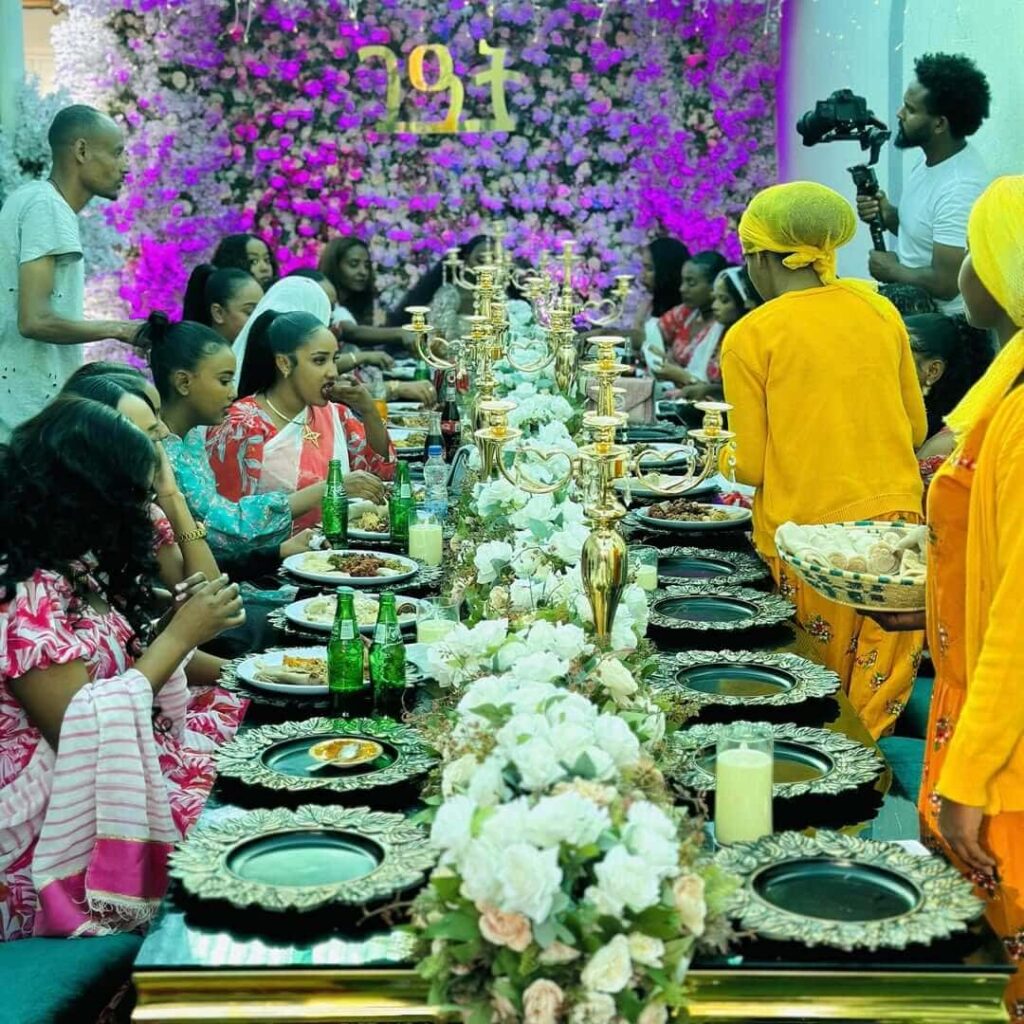
For many first-time guests, the reception is where the true energy of an Ethiopian wedding comes alive. It is not just a meal after the ceremony. It is a time for families and friends to celebrate together through food, music, dancing, conversation, and hospitality.
Ethiopian wedding receptions can last for several hours, and guests are often encouraged to participate rather than simply sit and watch. The atmosphere is usually lively, welcoming, and centred around celebrating the couple and the joining of two families.
Food: A Major Part of the Celebration
Food is one of the highlights of an Ethiopian wedding reception. Meals are often generous and designed to bring people together around the table.
Guests can expect traditional Ethiopian dishes such as the following:
- Injera – the soft, sourdough flatbread that is a staple of Ethiopian cuisine.
- Wot (Wat) – rich, spiced stews often made with meat, vegetables, or legumes.
- Tibs – grilled or sautéed meat dishes, often served during special occasions.
- Other traditional dishes that vary depending on the family’s background and region.
The way food is served can differ. Some weddings may have buffet-style meals where guests serve themselves, while others may have servers bringing food to tables.
One thing first-time guests may notice is that Ethiopian meals are often a shared experience. Guests eat together, talk, and enjoy the moment rather than treating the meal as a quick part of the schedule.
Gursha: A Gesture of Care and Hospitality
One tradition guests may experience during an Ethiopian meal is Gursha, a gesture where someone feeds another person a bite of food by hand as a sign of respect, affection, or hospitality.
It is often shared between family members, close friends, couples, or honored guests. If someone offers you a Gursha, it is usually a warm gesture of welcome and connection.
You do not have to worry about doing it perfectly. Simply accepting the gesture with appreciation is what matters.
Drinks and Ethiopian Hospitality
Hospitality is at the heart of Ethiopian celebrations, and guests are often treated with generosity throughout the wedding.
The traditional Ethiopian coffee ceremony is one of the most meaningful parts of this hospitality. Coffee is roasted, prepared, and served during social gatherings, giving guests a chance to sit, talk, and connect.
Depending on the family, region, and type of celebration, guests may also be offered other traditional drinks alongside modern refreshments.
Music, Speeches, and Entertainment
Music is a major part of Ethiopian wedding celebrations. Depending on the wedding style, guests may enjoy the following:
- Live Ethiopian bands
- DJs
- Traditional musicians
- Cultural performances
- Wedding speeches and announcements
Music often creates the transition from the formal parts of the wedding into the celebration, with guests gathering, dancing, and celebrating together.
Dancing at an Ethiopian Wedding
Dancing is one of the most memorable parts of many Ethiopian weddings, and guests are often encouraged to join in.
One of the most recognized Ethiopian dances is Eskista, which is known for its unique shoulder movements and rhythmic style. It is commonly performed at celebrations and cultural events.
If you are attending your first Ethiopian wedding, do not worry about getting every movement right. You are not expected to perform like a professional dancer. Joining the celebration, moving along with the music, and showing enthusiasm are often appreciated more than perfect technique.
Other Wedding Celebrations: Melse and Kelekel
In many Ethiopian communities, the wedding celebration does not end after the main ceremony and reception. Additional gatherings may take place in the following days as families continue celebrating.
Melse is a traditional post-wedding celebration, often hosted by the bride’s family, where relatives and close friends gather again for food, music, traditional clothing, and continued celebration.
Kelekel (also written as Kelekel/Kilkil depending on the community) is another traditional gathering associated with the wedding period, often hosted by the groom’s family to celebrate the joining of the two families and honor the new relationship between them.
Not every Ethiopian wedding includes these events, but if you are invited to one, expect another opportunity to experience Ethiopian hospitality, family connections, and cultural traditions.
Enjoy the Experience
The best way to approach an Ethiopian wedding reception is to come ready to participate. Try the food, accept the hospitality, greet people, enjoy the music, and join the celebration when invited.
You do not need to know every tradition beforehand. The joy of an Ethiopian wedding comes from sharing the moment with the couple, their families, and everyone gathered to celebrate.
Read More: Ethiopian Wedding Food Guide: Traditional Dishes and Menu Ideas
Ethiopian Wedding Etiquette: How Guests Should Behave
Things Guests Should Do
Keep these simple things in mind:
- Dress appropriately for the type of wedding you are attending.
- Greet elders and family members respectfully.
- Show appreciation for Ethiopian traditions and customs.
- Participate when invited.
- Accept food, drinks, and hospitality graciously.
- Be open to experiences that may feel unfamiliar.
- Ask questions respectfully if you are unsure about something.
- Follow the lead of the couple, family members, and other guests.
Things Guests Should Avoid
A few things are best avoided:
- Criticising traditions or comparing them negatively to your own culture.
- Ignoring religious customs or ceremony rules.
- Dressing too casually for the occasion.
- Interrupting important ceremony moments.
- Taking photos without permission.
- Complaining about timing, food, or the length of the celebration.
- Refusing to participate simply because something feels unfamiliar.
The goal is simple: arrive with respect, celebrate with an open mind, and allow the couple and their families to share their special day with you.
Read More: What Makes a Marriage Legal in Ethiopia? Age Rules, Requirements and Documents Explained

Money, Currency, and Payments
For guests traveling to Ethiopia, especially foreigners attending their first wedding in the country, it is helpful to prepare for how payments work locally.
While major hotels, restaurants, and some businesses in cities like Addis Ababa may accept international cards, cash is still widely used for many everyday expenses.
Carry Some Ethiopian Birr
It is a good idea to have some Ethiopian birr with you before attending the wedding. You may need cash for:
- Transportation to and from the venue
- Small purchases during the day
- Tips or personal expenses
- Places that do not accept cards
Having local currency available makes the day easier and saves you from searching for an ATM at the last minute.
Do Not Rely Only on Cards
International bank cards may work in some locations, especially larger hotels and modern venues, but they are not accepted everywhere. Some smaller businesses, transport options, or vendors may only accept cash.
It is always better to have a backup option.
Mobile Money and Digital Payments
Mobile money is becoming increasingly common in Ethiopia, but access may depend on having a local phone number, account, or setup that visitors from abroad may not have.
If you plan to send a digital gift or transfer money to the couple, confirm beforehand which payment method works best for you and the couple.
Plan Ahead
A little preparation goes a long way. Carry enough local currency for your personal needs, keep your payment options flexible, and avoid assuming every place will operate the same way as your home country.
That way, you can focus on enjoying the wedding instead of worrying about small payment issues during the celebration.
Common Mistakes First-Time Guests Make
Attending an Ethiopian wedding for the first time can feel unfamiliar, especially if you are coming from a different cultural background. Most mistakes are not made out of disrespect; they usually happen because guests simply do not know what to expect.
A little preparation can help you feel more comfortable and allow you to enjoy the celebration fully.
Arriving Without Knowing the Type of Wedding
Not all Ethiopian weddings follow the same format. Showing up without knowing whether the wedding includes a church ceremony, traditional customs, or a modern reception can leave you unprepared, especially when it comes to clothing, timing, and behavior.
Dressing Too Casually
Ethiopian weddings are usually important social occasions, and casual clothing may feel out of place. Always check the dress code on the invitation or ask the couple or someone close to them if you are unsure.
Not Preparing for a Long Celebration
Many Ethiopian weddings are not quick events. Between ceremonies, food, speeches, music, and dancing, celebrations can continue for several hours or even extend across multiple days.
Come prepared to be present, comfortable, and flexible.
Expecting a Western Wedding Schedule
First-time guests sometimes assume every part of the day will follow a strict timeline. Ethiopian weddings may have their own rhythm, especially with large family gatherings and traditional moments involved.
Patience is important.
Forgetting to Greet Elders and Family Members
Because Ethiopian weddings involve more than just the couple, greeting parents, elders, and close family members is an important part of showing respect.
A simple greeting can make a strong impression.
Avoiding Participation Because It Feels Unfamiliar
It is normal to feel unsure when experiencing new traditions, music, dances, or customs for the first time. However, completely standing back because something feels unfamiliar can make you miss the best parts of the celebration.
You do not need to know every tradition or dance perfectly. Showing interest, accepting invitations to participate, and celebrating with others is what matters most.
The Best Approach
The easiest way to enjoy an Ethiopian wedding is to arrive curious, respectful, and willing to experience something different. The goal is not to get everything perfect; it is to celebrate with the couple and appreciate the culture they are sharing with you.
Read More: Ethiopian Wedding Food Guide: Traditional Dishes and Menu Ideas
Final Thoughts
An Ethiopian wedding is more than a ceremony. It is a celebration of family, community, tradition, and hospitality, bringing people together to share in one of life’s biggest moments.
You do not need to know every custom or understand every tradition before attending. What matters most is arriving with respect, an open mind, and appreciation for the experience.
Come ready to connect, participate, and celebrate. The warmth you receive will often be a reflection of the respect and curiosity you bring with you.