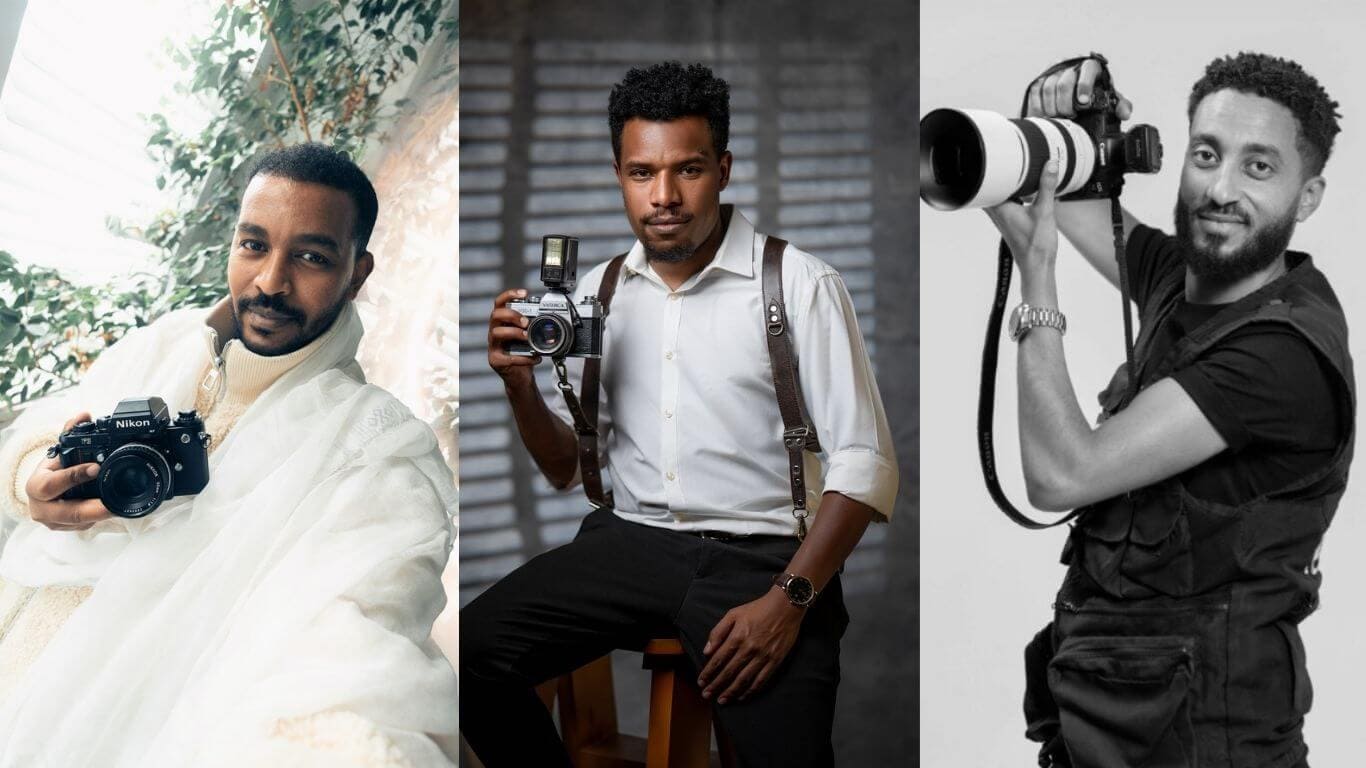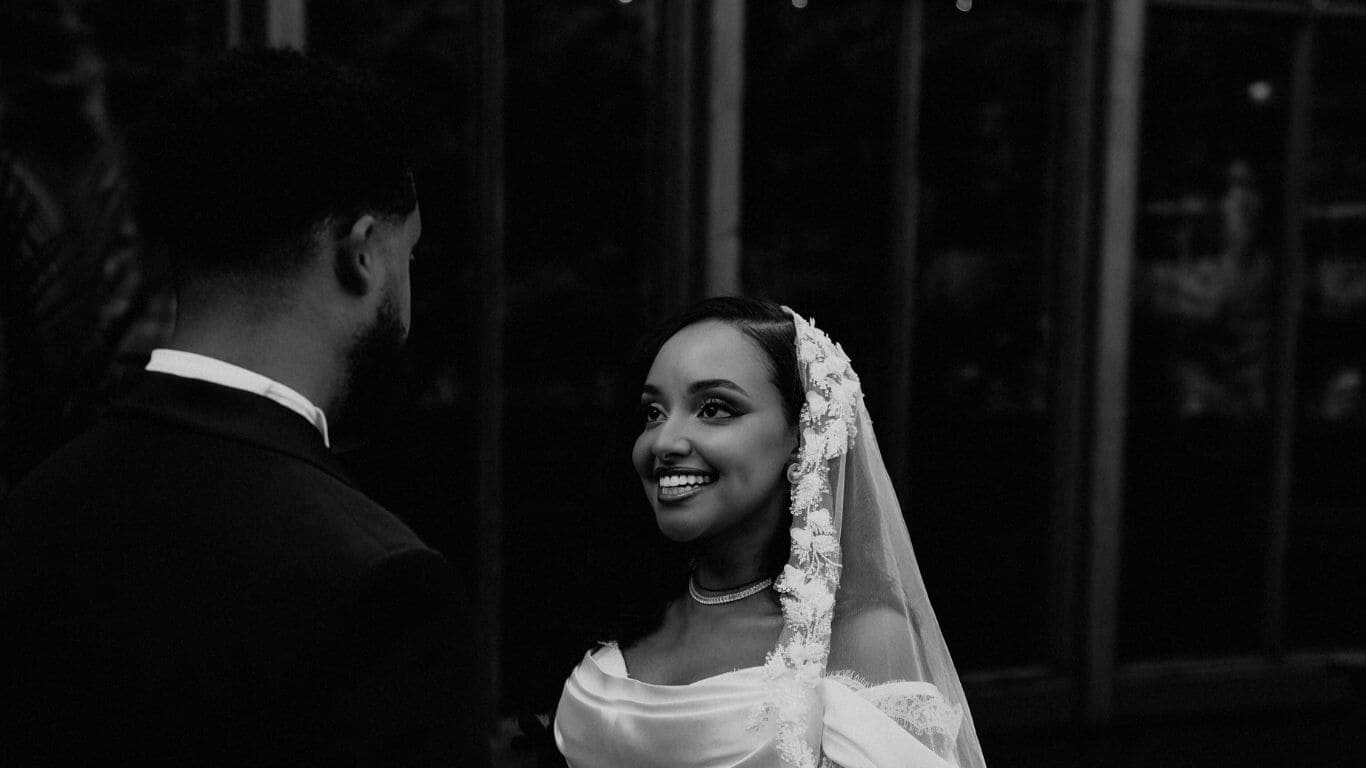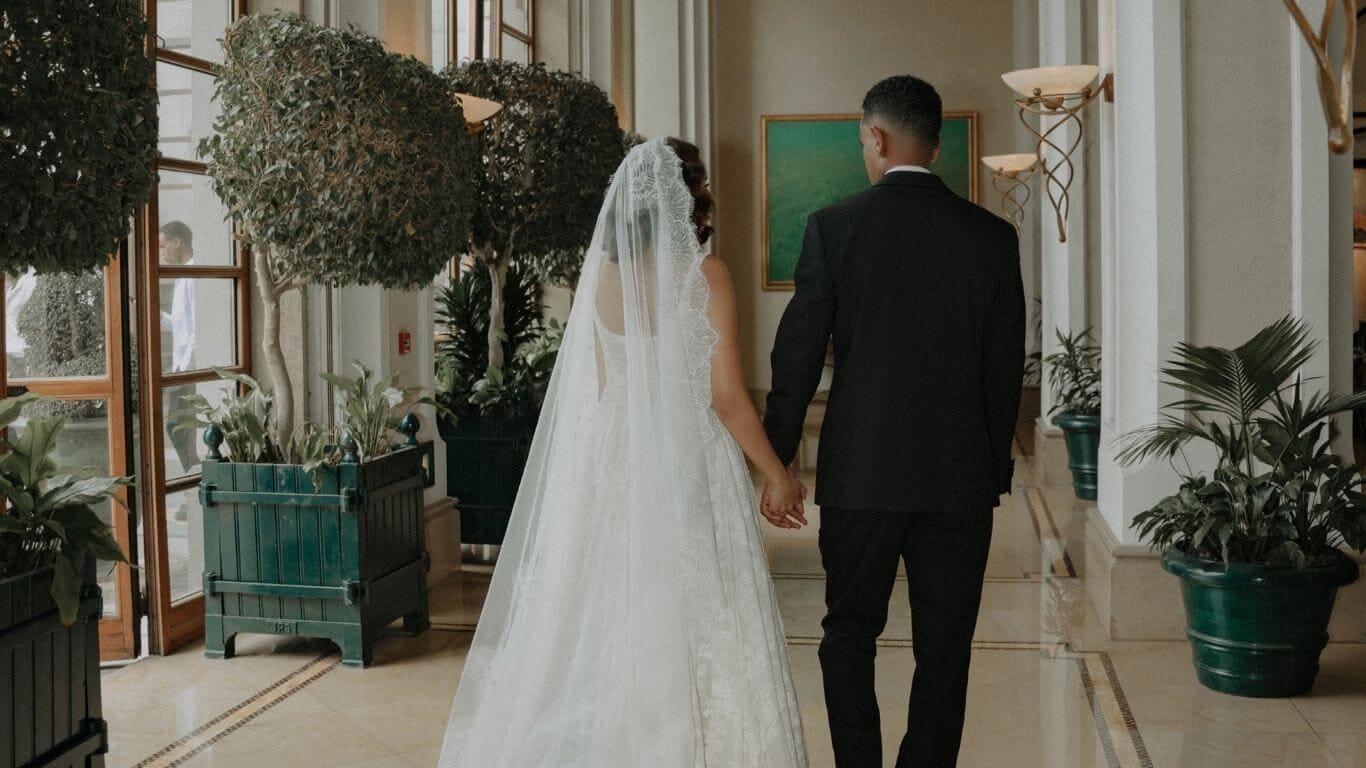
Ethiopian weddings are never just about two people. They are gatherings where family, faith, and community all meet, guided by traditions passed down for generations.
Imagine two people who have fallen in love and decided they want to spend the rest of their lives together. They may both be Ethiopian, or one may come from another country. Like many couples, they begin talking about marriage, meeting families, and taking the next step toward becoming husband and wife.
In Ethiopia, however, marriage is about more than a couple making a personal commitment. Before a wedding can take place, there are traditions, customs, and expectations that many families consider important. Some have religious roots; others are cultural practices passed down through generations, but together they form the foundation of the marriage journey.
From pre-wedding negotiations and family introductions to wedding ceremonies and post-wedding celebrations, Ethiopian weddings follow a series of customs that give meaning to the union. Before exploring these traditions in detail, it helps to first understand what weddings in Ethiopia generally look like and why they hold such an important place in society.
What Ethiopian Weddings Look Like
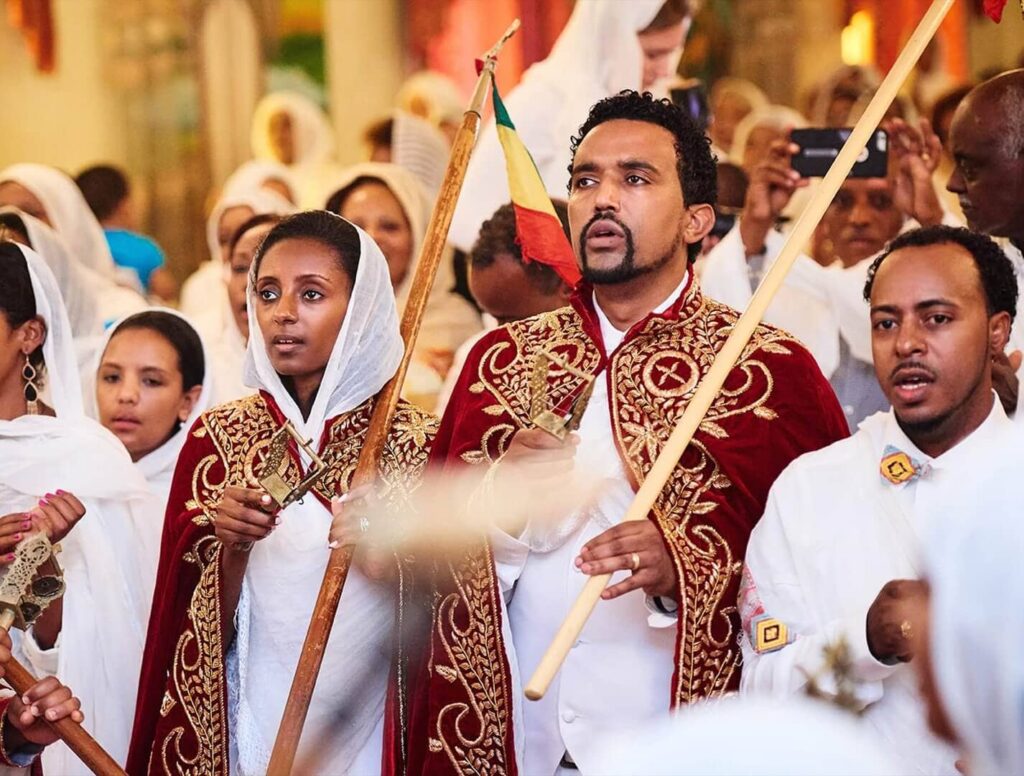
To understand Ethiopian wedding traditions, it helps to first picture what a wedding in the country actually looks like. While every family and community celebrates differently, most Ethiopian weddings are large, vibrant occasions that bring together relatives, friends, neighbors, and respected community members. Rather than being a private event focused only on the couple, a wedding is often seen as a gathering that strengthens relationships between families and celebrates the beginning of a new chapter in life.
Part of what makes Ethiopian weddings unique is the country’s cultural diversity. Ethiopia is home to more than 80 ethnic groups, each with its own customs, attire, music, and marriage practices. At the same time, Orthodox Christianity and Islam provide the religious foundation for many weddings, influencing everything from ceremonies and blessings to the values that guide the marriage itself. Although traditions vary across communities, family involvement remains a common thread throughout the country.
A typical Ethiopian wedding is also more than a single-day event. The journey often unfolds in stages, with preparations and family gatherings taking place before the wedding, followed by religious ceremonies, celebrations, and additional customs after the couple is officially married. The exact details may differ, but the idea of marriage as a process rather than a one-day occasion is widely shared.
The atmosphere is often filled with the things that matter most in Ethiopian culture: faith, hospitality, food, music, dance, and blessings from elders. Guests come together to celebrate, share meals, exchange good wishes, and take part in moments that reflect both family values and cultural identity. In major cities, weddings may blend traditional customs with modern receptions, while rural communities often preserve older practices more closely.
Whether the wedding takes place in Addis Ababa, a small town, or a rural village, the celebrations are usually guided by customs that have been passed down through generations. These traditions begin long before the wedding day itself, which is why the story of an Ethiopian wedding truly starts with the events leading up to the ceremony.
Ethiopian Wedding Traditions
Pre-Wedding Traditions
In Ethiopia, marriage does not begin at the wedding ceremony. It starts much earlier, through a series of family-centered traditions that guide how two people are officially brought together. These customs form the foundation of the marriage process and ensure that both families are involved from the very beginning.
Below are the pre-wedding traditions in Ethiopia and their significance.
1. Shimagelay (Marriage Proposal and Family Negotiation)
The Shimagelay is the first formal step in Ethiopian marriage traditions. It is not just a negotiation but a respectful process where the groom’s family officially requests the bride’s hand in marriage while also presenting the groom as a suitable husband.
In most cases, the groom does not go alone. Instead, he sends respected elders from his family to the bride’s home. These elders act as representatives, speaking on his behalf and introducing his background, character, and intentions. Their role is to show that he is responsible, ready for marriage, and capable of building a stable future with the bride.
The bride’s family, on the other hand, listens carefully and evaluates the proposal. Their role is just as important, as they seek to ensure their daughter is joining a respectful and capable household. This stage often includes questions, discussions, and moments of gentle resistance before any agreement is reached. The bride is traditionally not present during these early discussions, as the focus is on the families themselves.
Within this process, discussions about bride price or symbolic exchanges may also take place, depending on the region. This is sometimes referred to locally as “tilosh” or “yarad,” and it is handled with care and mutual understanding rather than as a transaction.
Once both families reach an agreement, the mood shifts from formal discussion to celebration. Coffee is shared, blessings are given, and both families acknowledge the beginning of a new bond. Shimagelay, in this sense, is not only about marriage approval but also about uniting two families through respect, dialogue, and tradition.
2. Tilosh (or Telosh) – Dowry Ceremony and Gift-Giving
After the Shimagelay agreement between both families, the next important pre-wedding tradition is Tilosh, sometimes referred to as Telosh, depending on the region. This ceremony marks a formal stage of commitment between the two families and brings the wedding preparations into a more visible and celebratory phase.
Tilosh is centered around gift-giving and family bonding. On a day set before the wedding (and can sometimes happen months ahead of the wedding), the groom’s family visits the bride’s home carrying carefully prepared gifts. These may include clothing, jewelry, money, and other symbolic items meant to show that the groom is capable of caring for his future wife. In many cases, the bride’s wedding attire is also included among these gifts, making the moment even more meaningful.
The event is attended by close family members, groomsmen, and the bride’s relatives. The bride is often present but not always the focus of the ceremony itself, as attention is placed on the families coming together. What follows is a lively exchange of greetings, blessings, music, and light-hearted interaction between both sides. In some communities, there is playful negotiation over the value and meaning of the gifts, creating a warm and entertaining atmosphere rather than a formal or tense one.
Beyond the gifts, Tilosh carries a deeper meaning. It is a public expression of unity between families and a way of officially recognizing the upcoming marriage. Once the gifts are presented and blessings are exchanged, both families often share food and spend time together, strengthening the bond before the wedding day itself. In this sense, Tilosh is not just about material offerings but about respect, acceptance, and the joining of two families through celebration.
3. Coffee Ceremony (Pre-wedding bonding ritual)
The coffee ceremony is one of the most meaningful social traditions in Ethiopian culture, and it naturally finds its place throughout the wedding journey. It often appears during the Shimagelay negotiations, the Tilosh celebrations, and even after the wedding itself, acting as a thread that connects both families beyond formal discussions.
In the pre-wedding stage, the ceremony creates a softer, more personal space between the two families. After discussions, negotiations, or gift exchanges, people gather around freshly brewed coffee as conversations shift away from formalities. What might begin as a structured meeting slowly turns into shared laughter, storytelling, and simple connection.
The atmosphere is calm but deeply symbolic. Coffee is prepared and served in multiple rounds, often accompanied by blessings from elders and warm expressions of goodwill between both sides. It is in these moments that tension eases, and the relationship between the families begins to feel more natural and familiar.
More than just a ritual, the coffee ceremony represents hospitality, respect, and unity. In the context of Ethiopian weddings, it becomes a quiet but powerful reminder that marriage is not only built on agreements but also on relationships that grow through shared time, conversation, and presence.
Wedding Day Traditions
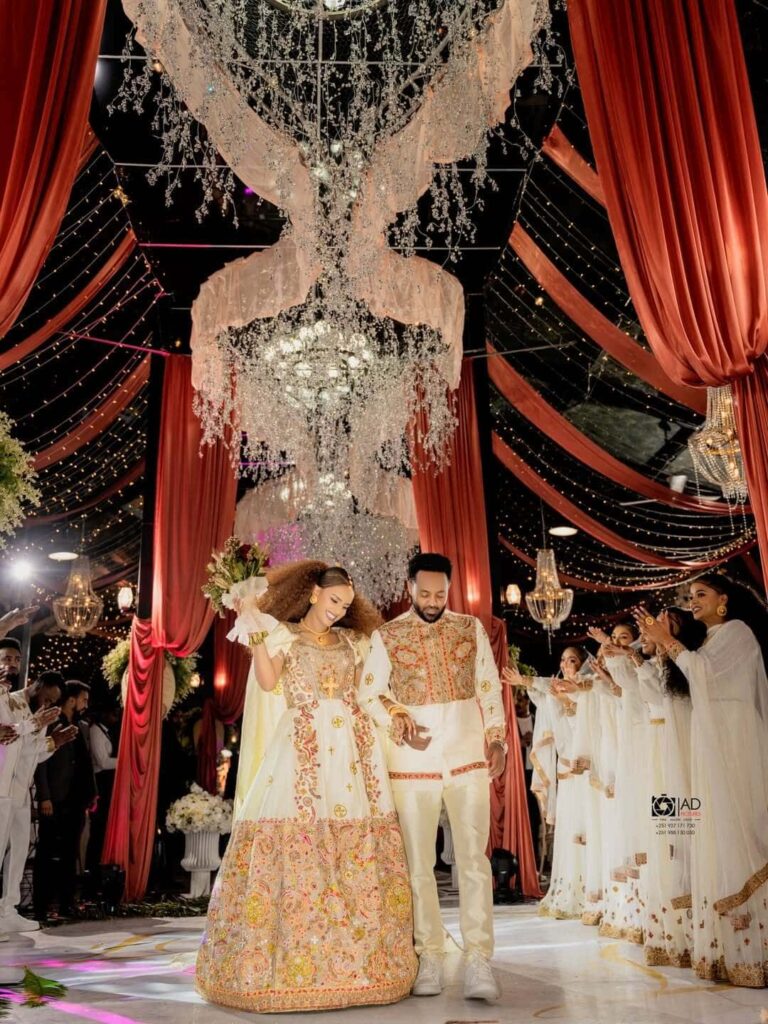
The wedding day is where all the preparation, negotiations, and family traditions finally come together. Whether it is a traditional ceremony, a religious wedding, or a modern reception, this is the moment everything builds toward. Below are the wedding day traditions in Ethiopia and their significance.
1. Arrival of the Groom
One of the most lively moments of an Ethiopian wedding is the arrival of the groom at the bride’s home. Early in the morning, both the groom and the bride prepare separately, each surrounded by their closest friends and family. The groom is accompanied by his groomsmen, while the bride is supported by her bridesmaids as she gets ready for the day ahead.
Once the groom arrives at the bride’s home, he is met with music, singing, and playful resistance from those inside. Guests and family members often stand at the entrance, singing traditional songs and symbolically refusing to let him in right away. This creates a joyful back-and-forth moment filled with laughter, dancing, and anticipation.
After a short exchange, the groom is finally welcomed inside and presented with the bride. He offers her flowers as a sign of love and respect, and she responds with a warm embrace. With that moment, the celebration officially moves forward, and both families head together to the next part of the wedding ceremony.
2. Official Engagement
In many Ethiopian weddings, the formal engagement doesn’t actually happen months before the wedding day, the way some people might expect. Instead, it often takes place during the wedding celebration itself, after the main ceremony and the wedding meal have been completed.
At this point, the couple moves to a designated area where the symbolic engagement is made official. This is usually marked by the exchange of rings, followed by the cutting of the wedding cake. It is a simple but meaningful moment that publicly confirms the union in front of both families and guests.
Once the cake is cut, guests are served slices along with drinks, often including champagne or wine in modern celebrations. The atmosphere shifts into a more relaxed celebration, with music, cheering, and moments of joy shared between everyone present.
In some weddings, the bride also takes part in light-hearted traditions such as sharing or tossing small gift items to guests, adding a playful ending to the formal proceedings. After this, the couple returns to their seats of honor, and the celebration continues as a full community gathering marking the beginning of their married life.
3. Bride Price
One of the most misunderstood parts of Ethiopian wedding culture is the idea of bride price. In many cases, especially in northern Ethiopia, there is no formal or universal “bride price” system where a payment is required for marriage. Instead, what exists across the country is a wide mix of customs that vary by region, community, and family tradition.
In most Ethiopian weddings, marriage is not treated as a financial transaction. While gifts may be exchanged between families, especially during pre-wedding ceremonies, these are usually symbolic gestures of respect and goodwill rather than a required payment. In many urban and modern settings, these exchanges have become even more simplified or purely ceremonial.
That said, in some ethnic groups in southern Ethiopia, bridewealth traditions still exist in different forms. These can include gifts such as cattle, goats, cash, or household items and are often agreed upon through family discussions rather than fixed rules. In these communities, the exchange is less about “buying” a bride and more about showing responsibility, commitment, and the ability of the groom’s family to support the marriage.
In other groups, such as the Amhara, there is generally no bride price tradition, while some communities like the Tigray have systems that lean more toward dowry, where the bride’s family may contribute assets instead. Across all regions, however, the process is guided more by family agreement and cultural expectation than by strict financial requirements.
Over time, especially in cities like Addis Ababa, these practices have continued to evolve. Many young couples now choose each other freely, and traditional exchanges have become more symbolic than obligatory. Still, in rural areas, these customs remain meaningful and continue to shape how families come together to approve a marriage.
Religious Wedding Ceremonies (Core of the Marriage)
In Ethiopia, the religious ceremony is the heart of the wedding. It is the moment when the marriage is officially recognized in the eyes of faith, family, and community. While celebrations and traditions surround it, this is the point where the union is made sacred and fully acknowledged.
@kebkab_events "በፍቅር ማሰሪያ አንድ ይሆኑ ዘንድ ፤ ሰላሜን ለሁለታችሁ እሰጣለሁ ሰላሜን ከሁለታችሁ ጋራ እተወዋለሁ በላቸው አንተ የሁለታችን ሰላም ነህና" ስርዓተ ተክሊል #ተክሊልጋብቻ #weddingplanner #Kebkabevents #ethiopia #Orthodoxwedding ♬ original sound – ከብካብ ኤቨንትስ
4. Orthodox Christian Wedding Ceremony
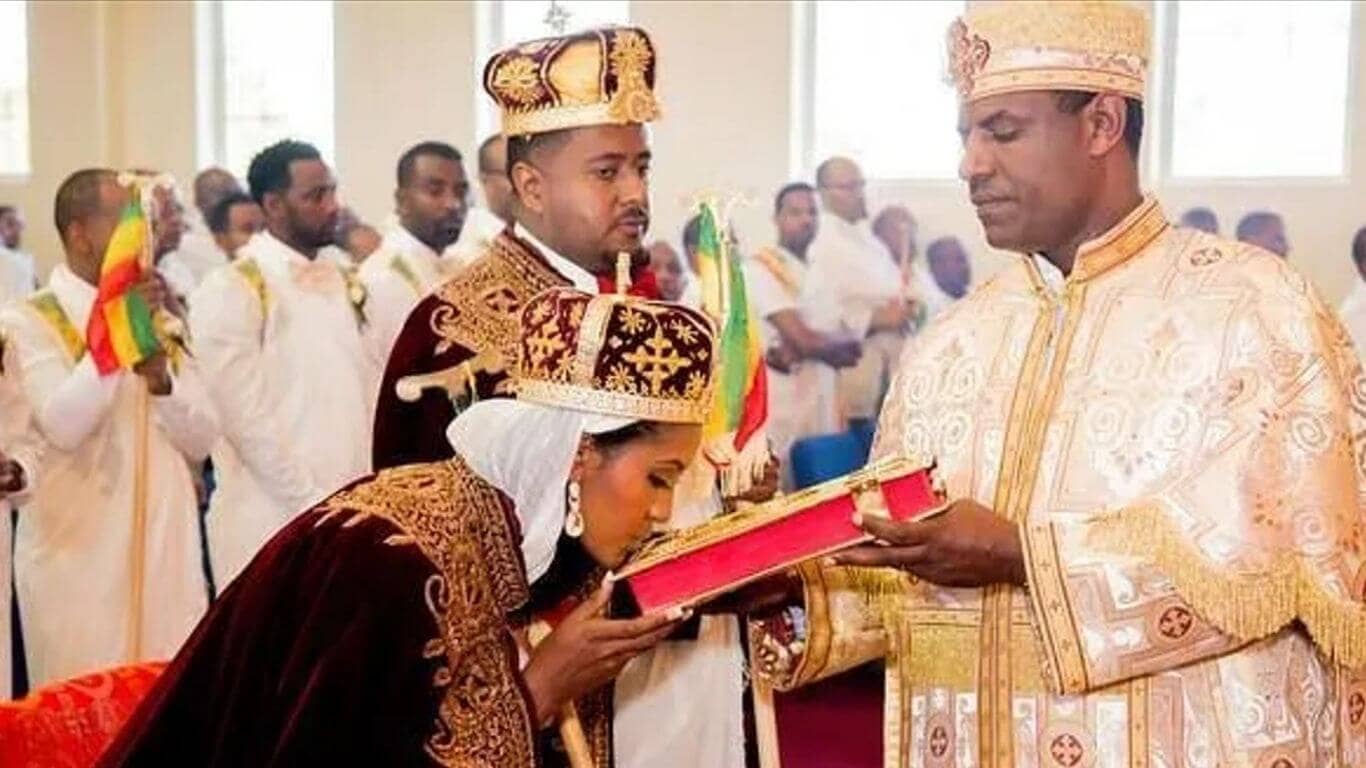
For Ethiopian Orthodox Christians, the wedding takes place in church and follows a deeply symbolic liturgy filled with prayer, blessing, and ritual. The ceremony is not only about the couple but also about placing their marriage under spiritual guidance.
One of the most important parts is the ring ceremony. Before the exchange, the rings are blessed by the priest as a sign of sacred commitment. The groom places the ring on the bride’s finger first, followed by the bride doing the same for the groom, symbolizing mutual devotion and lifelong unity.
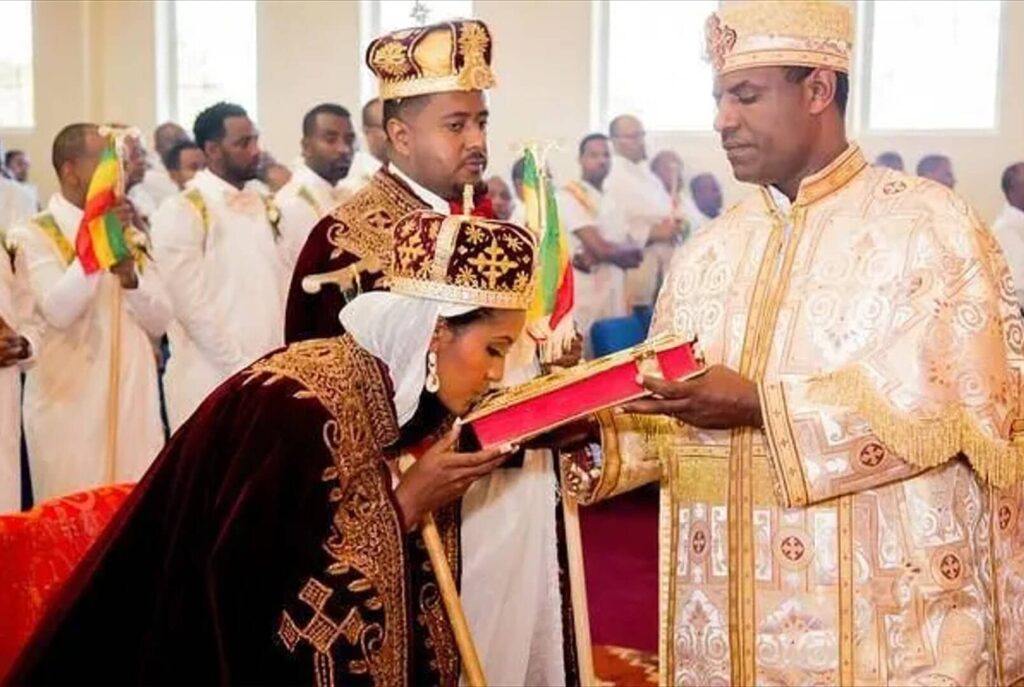
Another defining moment is the crowning ritual. The priest places matching crowns on the bride and groom, symbolically declaring them the “king and queen” of their new household. This is followed by prayers, hymns, and the anointing of holy oil on their foreheads and palms in the shape of a cross, marking divine blessing over their marriage.
5. Islamic Wedding Ceremony (Nikah)
In Muslim Ethiopian weddings, the Nikah ceremony is the official marriage contract. It is a simple but deeply meaningful religious process where the couple’s union is formally agreed upon and recorded in the presence of witnesses.
During the ceremony, the marriage contract is signed, and prayers are offered for peace, love, and stability in the couple’s life together. Families and religious leaders give their blessings, confirming acceptance of the union. Once completed, the marriage is considered valid under Islamic law and celebrated with family and community gatherings.
Symbolic Wedding Traditions
Beyond the formal ceremonies and celebrations, Ethiopian weddings also include symbolic moments that carry deep emotional and cultural meaning. These are the kinds of traditions that don’t define the structure of the wedding, but they define its heart.
6. Knee-Kissing Tradition
One of the most emotional moments in an Ethiopian wedding is the knee-kissing tradition. After the couple arrives at the main wedding venue, they are usually welcomed by their grandparents, great-grandparents, and sometimes parents, who are seated at the entrance in traditional attire.
At this moment, the bride and groom approach them together as a sign of respect and gratitude. They bow deeply and kiss the knees or feet of their elders, acknowledging their role in raising, guiding, and blessing them into this new stage of life. In return, the elders offer heartfelt blessings for health, prosperity, and a strong marriage.
This moment is often quiet compared to the rest of the celebration, but it carries a strong emotional weight. It reflects one of the core values in Ethiopian weddings: marriage is not only about two people but also about honoring the generations that came before them. After receiving blessings, the couple proceeds into the main hall, where the celebration continues.
7. Reading of Names Tradition
Another memorable part of many Ethiopian wedding celebrations is the reading of names, a moment that brings together celebration, connection, and shared presence, even for those who are not physically there.
After the couple has greeted guests and taken photos, they are often guided toward the dance floor for their first dance as husband and wife. This moment is brief but symbolic, marking the beginning of their married life in front of family and friends. As they dance, guests gradually join in, turning the moment into a shared celebration rather than a private experience.
What follows is a unique tradition led by the wedding band or MC. Messages from family and friends who could not attend the wedding are read aloud to everyone in the hall. These messages often come from different parts of the world, and each one is announced with the sender’s name, sending love and blessings to the couple.
It becomes a moment that connects everyone in attendance with those who are far away. The reading of names adds a personal and emotional layer to the celebration, reminding the couple that their wedding is not only witnessed by those in the room but also celebrated by a wider circle of family and friends.
@beyoubrhan I share a beautiful tradition from Ethiopian Jewish weddings where the bride receives a new name as a blessing when joining her husband's family. I explain how my husband's family, though not Ethiopian, embraced this custom and gave me the name Bracha tova, meaning You are a blessing of good to our family.
♬ צליל מקורי – הפלגות נשים | Ethiopian Jew
8. Yedabo Sim (Bride Ceremonial Nickname)
In some Ethiopian Orthodox and Amhara-influenced wedding traditions, a symbolic naming ritual called Yedabo Sim (የዳቦ ስም) takes place during the wedding celebrations. In this custom, the bride is given a new name by her husband’s family as a sign of her new role and place within her marital family.
The name is often hidden inside a ceremonial bread called dabo. During the celebration, the bread is cut and shared among guests, and the hidden name is revealed as part of the ritual. In many cases, the bride’s mother-in-law is the one who formally presents or introduces the name.
This tradition is less about a legal name change and more about symbolism, acceptance, and belonging. It reflects how marriage in Ethiopian culture often extends beyond two individuals, bringing both families into a shared identity and relationship.
9. Ululation (Celebration Sound Tradition)
Ululation is one of the most recognizable sounds in Ethiopian weddings. It’s the high-pitched, rhythmic vocal expression made mostly by women to show joy, approval, and celebration during important moments of the ceremony.
It often marks key transitions in the wedding—from the arrival of the groom to blessings, dances, or the final moments of the reception. More than just background sound, it sets the emotional tone of the celebration and signals that something meaningful is happening.
In many ways, ululation is the voice of the wedding itself. It carries excitement through the crowd and ties together moments of joy, making the celebration feel alive and deeply communal.
@gettphotography GURSHA CHALLENGE #10 . #eritrean #habesha #habeshawedding #ethiopian #tiktok #weddingphotography #india #indian #addisababa #ethiopian_tik_tok #wedding #africantiktok #eritreantiktok #ethiopia ♬ original sound – Getnet Teshome
10. Food, Hospitality, and Gursha Culture
Food is at the center of every Ethiopian wedding. It is not just about serving guests but about bringing people together in a shared experience that reflects generosity, respect, and celebration.
Meals are usually served in a communal style, with guests sitting together and sharing traditional dishes. One of the most meaningful customs is gursha, where people feed each other by hand as a sign of love, trust, and closeness. It is a simple act, but in Ethiopian culture it carries deep emotional weight.
Weddings also feature a variety of traditional dishes, often prepared in large quantities to honor everyone present. Hospitality is treated as a responsibility, not an option, and making sure guests are well-fed is considered a core part of the celebration.
In the end, food at Ethiopian weddings is more than a meal. It becomes a language of unity, where families and guests connect through sharing, care, and presence.
@keduseabuhay DC:@ keduseabuhay Gang is back again 😆 @𝓗𝓮𝓷𝓸𝓴🇪🇹 @rebeccaa @Meron #eskista #habeshatiktok #ethiopian_tik_tok #amharatiktok #youngho ♬ original sound – secret accc🫦
11. Music, Dance, and Celebration Atmosphere
Music is what keeps an Ethiopian wedding alive from start to finish. Traditional drumming, live bands, and singing set the rhythm of the entire celebration, guiding how people move, gather, and celebrate throughout the day.
One of the most recognizable forms of dance is eskista, the shoulder-based dance that is deeply rooted in Ethiopian culture. It often becomes a highlight of the wedding, with guests taking turns showcasing their movements as the energy in the room builds.
Group dancing is just as important. Weddings are rarely passive events where guests simply watch; instead, everyone is drawn into the celebration. Families, friends, and even strangers join in, forming circles of movement that reflect unity and shared joy.
At its core, the music and dance at Ethiopian weddings create emotional moments that cannot be staged. They reflect happiness, cultural pride, and the collective spirit of everyone present, turning the wedding into a living celebration rather than just an event.
@kebkab_events You dream, We plan. Enjoy it all. @4Kilo Entertainment ⚖️ and @Ur favorite habesha ⚖️ #kebkabevents #Ethiopia #orthodox #wedding #viral #4kilo_entertainment #ከብካብ_ኤቨንትስ ♬ original sound – ከብካብ ኤቨንትስ
12. Wedding Reception
The wedding reception is where the full celebration comes together after the religious ceremony and earlier traditions. It marks the shift from formal rituals into a more open, joyful gathering where family, friends, and guests celebrate the couple without restraint.
The reception usually includes speeches, blessings from elders, and messages of goodwill for the couple as they begin married life. These moments often set a respectful tone before the celebration fully opens up into music, dancing, and entertainment.
As the atmosphere builds, the bride and groom are often introduced in a special entrance that draws attention from all guests. From there, the rest of the event becomes a shared celebration, with food, dancing, and performances filling the hall.
What stands out most is how inclusive it feels. Everyone is part of the moment, from close family to distant relatives and friends, turning the reception into a collective celebration of unity, culture, and new beginnings.
Post-Wedding Traditions
The wedding doesn’t really end when the reception is over. In Ethiopian tradition, what follows is a continuation of celebration and family bonding that helps settle the couple into married life. These post-wedding customs are less formal, but they carry just as much meaning, especially when it comes to strengthening ties between the two families.
1. Meles (Follow-up visits/gatherings)
The Meles is one of the most important post-wedding traditions in Ethiopia, often taking place a day after the main wedding celebration. It is usually hosted by the bride’s family and attended by close relatives and friends from both sides, creating a more intimate and relaxed continuation of the wedding festivities.
The couple arrives dressed in traditional Ethiopian attire, often including the elegant habesha kemis and a decorative cape known as the kaba. The atmosphere is immediately celebratory, with dancing, singing, and warm greetings setting the tone as soon as they enter.
After the initial celebration, food is served and often blessed by elders before guests are invited to eat. Traditional dishes are shared generously, and the idea of hospitality remains central. Music and dancing continue for hours, making the event feel like a second wedding celebration rather than an extension of the first.
One of the most distinctive moments during the Meles is the naming ceremony, often referred to as Dabo Sim. Here, the bride may be given a new name by the groom’s family, symbolizing her new identity within the family structure. The process is usually light-hearted, with playful suggestions and family interaction before a name is finally accepted. Once agreed upon, bread is shared among guests, and each person is expected to repeat the chosen name before receiving a piece.
Beyond its rituals, the Meles represents continuity. It keeps both families connected after the wedding day, reinforcing relationships through food, laughter, and shared responsibility. In many communities, similar gatherings may continue for days, depending on tradition and family preference, turning the wedding into a longer celebration of unity rather than a single event.
@byveroonica Kelekel ( ቅልቅል ) is an Ethiopian tradition that takes place after the wedding. It is a gathering of both sides of the family to get to know each other better and to celebrate the bride and groom as one family. #ቅልቅል #ethiopiantiktok #ethiopiancouple #ካባ #ethiopian_tik_tok🇪🇹🇪🇹🇪🇹🇪🇹 ♬ original sound – ebenezer.tagesse
2. Kelekel
The Kelekel is often seen as the final gathering in the post-wedding celebrations, taking place a few days after the main wedding and Meles. It is a moment created for extended family members, friends, and guests who were not able to attend earlier celebrations, giving them a chance to still be part of the couple’s new beginning.
This gathering is usually organized jointly by both families, who choose the location and prepare for a relaxed but meaningful event. Unlike the more structured wedding day, the Kelekel feels more like a closing chapter, where people come together one last time to celebrate, share food, and enjoy each other’s company.
As the event draws to an end, the atmosphere becomes more emotional. The parents of both the bride and groom step forward to give final blessings, offering words of encouragement, pride, and goodwill to the couple. These blessings often mark the symbolic conclusion of the wedding journey.
In many ways, the Kelekel represents farewell and continuity at the same time. It closes the wedding celebrations while reinforcing family unity, ensuring that even those who arrived late or missed earlier events still leave with a sense of belonging and shared memory.
Cultural Variations in Ethiopian Wedding Traditions
One of the most fascinating things about Ethiopian weddings is that there is no single “Ethiopian wedding.” The country’s many ethnic groups bring their own customs, music, attire, and marriage rituals to the celebration. At the same time, many weddings still share common themes: family approval, elder involvement, blessings, food, music, and community celebration.
Here’s a quick look at how wedding traditions differ across some of Ethiopia’s major communities.
Ethiopian Wedding Traditions Across Ethnic Groups
| Ethnic group | Key wedding highlights |
|---|---|
| Amhara | Known for strong family negotiations, elder involvement, Orthodox Christian influence, and traditions like Yedabo Sim (the bread naming ceremony). Weddings often emphasize dignity, blessings, and communal feasting. |
| Oromo | Marriage negotiations are highly structured through the Naqataa betrothal process. Elders and family representatives play a major role, and bridewealth discussions are common in many Oromo communities. |
| Tigray | Tigrayan weddings often last several days and place strong importance on marriage contracts, family honor, and traditional attire. Some communities celebrate a special in-laws’ gathering after the main wedding. |
| Wollo | Wollo weddings are heavily shaped by the region’s blend of Amhara, Oromo, and Islamic influences, with strong emphasis on hospitality, music, and community participation. |
| Gurage (Sodo Gurage) | Gurage weddings are known for extended negotiations, elder mediation, and symbolic rituals involving food, butter, and blessings. Marriage preparations can stretch over several days. |
| Kafficho | Traditional weddings involve elder negotiations, dowry discussions, and ceremonial arrivals announced with musical instruments such as the elephant horn (shameto). |
| Gamo | The Katsara rite of passage is important in traditional Gamo culture, marking adulthood before marriage is permitted. |
| Karo | Karo weddings are known for distinctive body art and beauty symbolism. Marriage traditions are closely tied to pastoral life and clan identity in the Omo Valley. |
| Dasenech | Cattle, goats, and family negotiations play a central role. Some traditions begin with symbolic gestures involving coffee beans and elder mediation before marriage approval is granted. |
| Bena | Marriage is connected to the famous bull-jumping rite, a major coming-of-age ceremony for men. Bridewealth and clan approval remain important parts of the process. |
| Surma (Suri) | Cattle are central to marriage traditions, and a man is traditionally expected to own a significant number of cows before he can marry. |
| Mareko | Mareko traditions include several forms of marriage, strong elder involvement, symbolic omens, and formal family investigations before approval is granted. |
| Ethiopian Jewish communities | Weddings are deeply religious and can last several days. A Cahenet (Rabbi) blesses the union, and special purity rituals and symbolic cords are used during the ceremony. |
What these traditions have in common
Even with all these differences, Ethiopian weddings share a common heartbeat:
- Family approval matters.
- Elders guide the process.
- Marriage is seen as a union of families, not just individuals.
- Food, music, dancing, and blessings are essential to the celebration.
- Tradition and community remain at the center of the wedding experience.
That balance between diversity and shared values is what makes Ethiopian weddings so unique. A ceremony in Addis Ababa may look very different from one in the Omo Valley, but both are rooted in the same idea: marriage is a sacred, communal, and deeply cultural event.
Modern Influence on Ethiopian Weddings
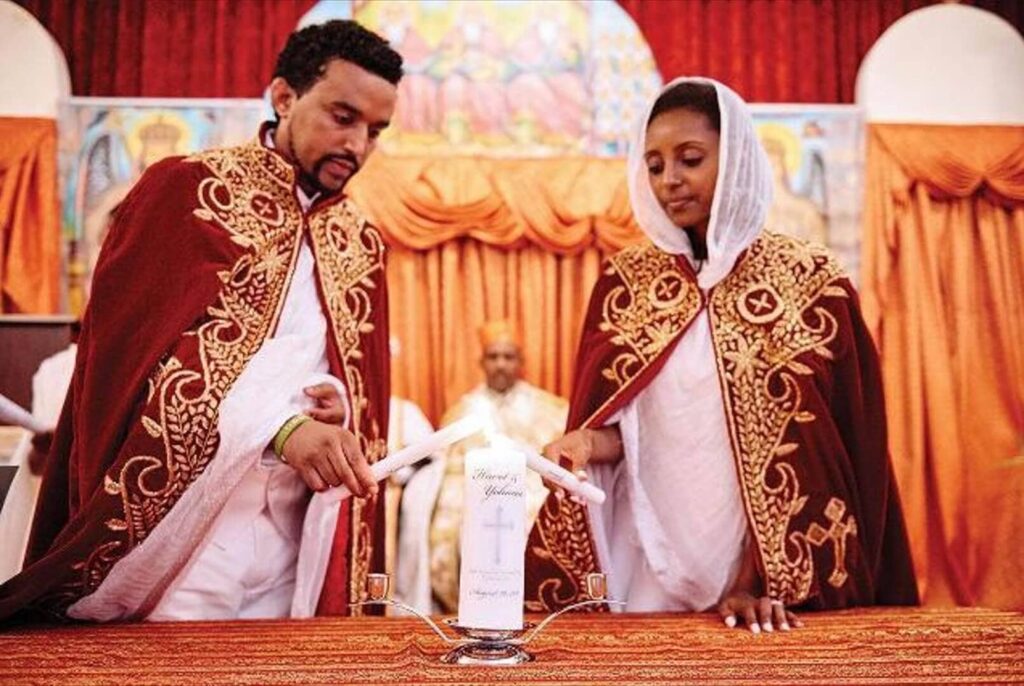
Ethiopian weddings today sit at an interesting intersection. The traditions are still strong, but modern life has clearly shaped how people plan, celebrate, and share their weddings. Here’s what that looks like in practice:
- Blending traditional and white weddings
Many couples now combine the traditional ceremony with a church or civil wedding and a modern white wedding reception, all in one extended celebration or spread across different days. - Church + modern reception setups
It’s common to see a formal religious ceremony followed by a hotel or hall reception with stage lighting, MCs, professional photography, and curated entertainment. - Urban vs rural differences
In cities, weddings lean more toward modern styling and condensed schedules, while rural weddings often keep longer celebrations and more traditional sequencing of rituals. - Western influence on style and presentation
White wedding dresses, tuxedos or suits, wedding rings, tiered cakes, and choreographed couple entrances have become standard additions alongside Ethiopian cultural dress. - Photography and social media culture
Weddings are now heavily documented. Professional photographers, cinematic videos, drone shots, and Instagram-ready setups are part of the planning from the beginning. - Changing role of younger generations
Younger couples are choosing partners more independently, blending tradition with personal preference, and deciding which customs to keep, adapt, or simplify.
Even with all these changes, most Ethiopian weddings still hold onto their cultural backbone. The difference today is how flexible that structure has become.
Conclusion
Ethiopian weddings are built on something bigger than the couple at the center. They bring together faith, family, and community in a way that turns marriage into a shared responsibility and a shared celebration.
Across regions and ethnic groups, the details may change, but the meaning stays the same. Every tradition, from pre-wedding negotiations to post-wedding gatherings, reflects a culture that values unity, respect, and continuity.
In the end, Ethiopian weddings are not just about the ceremony. They are about keeping connection alive, passing down identity, and making sure every new union still feels rooted in everything that came before it.