Ethiopian weddings are often luxurious, family-oriented, and multi-day celebrations that can cost thousands to millions. Here’s a breakdown of what the bride, groom, and their families traditionally pay for.
A wedding in Ethiopia is more than a ceremony between two people. It is a celebration of love, family, culture, and community, often bringing together relatives and friends from different generations. For many Ethiopians, marriage represents the beginning of a new family connection, making the wedding an important moment not only for the couple but also for everyone involved.
Because of this deep cultural importance, Ethiopian weddings are often carefully planned celebrations with many moving parts. From traditional ceremonies and wedding attire to food, entertainment, photography, and guest arrangements, there are many details that come together to create the final celebration. Depending on the couple’s vision and circumstances, these weddings can range from simple gatherings to large events with significant expenses.
As wedding plans begin, one question often becomes a major part of the conversation: who is responsible for paying for all these expenses? In many cases, the answer is influenced by long-standing traditions, family expectations, personal circumstances, and the way each couple chooses to celebrate their marriage.
Understanding who traditionally covers different wedding costs can help couples and families prepare better, avoid misunderstandings, and plan a celebration that reflects both their values and their reality. This guide explores the traditional roles of the bride, groom, and their families when it comes to paying for an Ethiopian wedding.
Overview of Wedding Costs in Ethiopia
Before looking at who pays for an Ethiopian wedding, it is important to understand the scale of these celebrations. The cost can vary significantly depending on the couple’s preferences, location, number of guests, and the type of wedding they choose to have. A small family gathering will naturally cost much less than a large celebration with hundreds of guests, multiple ceremonies, and premium vendors.
Ethiopian weddings can range from a few hundred thousand birr for simpler celebrations to several million birr for larger and more elaborate events. Some couples keep costs lower by limiting the guest list and focusing on the most important traditions, while others spend much more on venues, food, decorations, entertainment, photography, and other services.
The final budget is often shaped by factors such as the number of events, cultural traditions being followed, guest expectations, and the level of involvement from families. For a more detailed breakdown of average wedding expenses and what influences the total budget, you can read our complete guide on the cost of weddings in Ethiopia.
Understanding these costs helps put the next question into perspective: when all these expenses come together, who is traditionally expected to pay for an Ethiopian wedding?
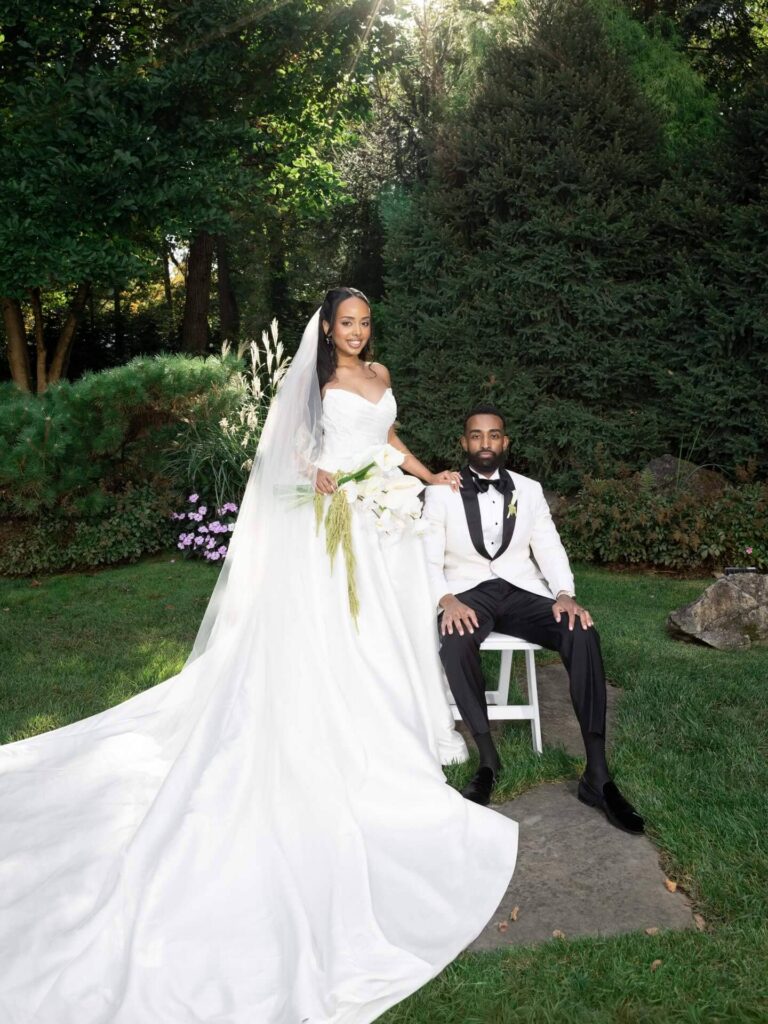
Who Pays for Weddings in Ethiopia?
There is no single rule that determines who pays for an Ethiopian wedding. While certain traditions outline the responsibilities of the bride, groom, and their families, the final arrangement often depends on the couple’s financial situation, family agreements, religion, and the customs of their community.
Traditionally, Ethiopian weddings are seen as the union of two families rather than just two individuals. As a result, wedding expenses are rarely carried by one person alone. Instead, the bride, groom, and both families often contribute in different ways throughout the engagement, traditional ceremonies, religious or civil wedding, and reception. Some families follow long-standing customs closely, while others adapt them to fit modern lifestyles and budgets.
Below is a look at the traditional responsibilities commonly associated with each party, keeping in mind that practices can vary across Ethiopia and from one family to another.
What Does the Groom Traditionally Pay For?
Traditionally, the groom takes responsibility for several expenses connected to the marriage process, particularly those that symbolize his commitment to the bride and support for the new family. While the exact expectations vary by culture and family, the following are among the most common responsibilities.
Engagement and Marriage Preparations
The groom typically covers many of the expenses leading up to the wedding, including engagement-related costs and preparations discussed between both families. In many Ethiopian communities, these arrangements begin during Shimgelena, where elders from both families meet to discuss the proposed marriage, negotiate expectations, and agree on gifts or other customary obligations.
Wedding Rings and Bridal Gifts
The groom commonly purchases the bride’s engagement ring and wedding band. Depending on the family’s traditions, he may also present additional gifts such as gold jewelry, clothing, shoes, or other meaningful items, particularly during Telosh, where gifts for the bride are formally presented.
Wedding Attire and Groomsmen
The groom is generally responsible for his own wedding attire, including his suit or traditional clothing and accessories. He may also cover gifts or certain expenses for his groomsmen, depending on the arrangements made for the wedding party.
Ceremony and Reception Contributions
The groom may contribute toward major wedding expenses such as the venue, food, drinks, entertainment, transportation, or other reception costs. The extent of these contributions depends on the couple’s budget and how responsibilities are divided between both families.
Traditional Customs
Some Ethiopian wedding traditions also involve symbolic gestures from the groom. Among some Oromo communities, for example, the groom and his companions may be playfully stopped from entering the bride’s home by the bridesmaids during Telosh or on the morning of the wedding. Often referred to as the “fighting tradition,” the moment is usually resolved when the groom’s side offers gifts or money before being welcomed inside, adding a lighthearted cultural touch to the celebration.
Honeymoon and Post-Wedding Plans
Where a honeymoon or post-wedding celebration is planned, the groom may traditionally cover some or all of these expenses. Today, however, many couples choose to budget for these costs together.
Like many aspects of Ethiopian weddings, these responsibilities are guided by tradition rather than strict rules. Modern couples often adapt them based on their financial circumstances, personal preferences, and agreements reached between both families.
What Does the Bride Traditionally Pay For?
Traditionally, the bride’s financial responsibilities are often centered around her personal wedding preparations rather than the higher costs of the celebration. While many expenses are shared with the groom and both families, the bride is commonly responsible for items that relate to her appearance, bridal experience, and any personal contributions she chooses to make. Like other aspects of Ethiopian weddings, these expectations vary between families, cultures, and individual preferences.
Wedding Dress and Bridal Accessories
The bride typically pays for her wedding dress or traditional attire, along with accessories such as her veil, shoes, jewelry, handbag, and other items needed for the wedding day. If the celebration includes multiple ceremonies or outfit changes, she may also budget for additional traditional or reception attire.
Hair, Makeup, and Beauty Preparation
Bridal beauty preparations are usually the bride’s responsibility. These expenses may include professional hair styling, makeup, skincare treatments, manicures, and any other beauty services arranged before the wedding.
Bridesmaids and Bridal Party Expenses
Where a bridal party is involved, the bride may choose to purchase gifts for her bridesmaids or help cover certain accessories and coordination costs. The exact arrangement varies from one wedding to another, and many couples decide these responsibilities together.
Pre-Wedding Events and Personal Celebrations
Modern Ethiopian weddings sometimes include events such as engagement photoshoots, bridal showers, or other celebrations leading up to the wedding day. Depending on the plans and budget, the bride may organize or contribute toward these events.
Personal Wedding Items and Shared Contributions
The bride may also purchase personal wedding items or contribute toward shared expenses agreed upon with the groom. In some families, for example, the bride may choose to buy the groom’s wedding band or help pay for certain aspects of the celebration. These arrangements are based on mutual agreement rather than tradition and have become increasingly common among modern Ethiopian couples.
Although tradition outlines certain expectations, there is no fixed list of expenses every Ethiopian bride must cover. Today, many couples decide together how to divide wedding costs in a way that reflects their financial situation, priorities, and the kind of celebration they want to create.
What Does the Groom’s Family Pay For?
In many Ethiopian communities, the groom’s family plays a central role in the marriage process long before the wedding day. Their responsibilities often begin with traditional customs that formally unite the two families and continue through the wedding celebrations. While the exact expectations vary across cultures and regions, the groom’s family is traditionally expected to contribute both financially and practically to the success of the marriage.
Shimgelena and Telosh Responsibilities
One of the groom’s family’s most important roles begins during Shimgelena, the formal meeting where elders from both families discuss the proposed marriage. During these discussions, the groom is introduced, his character and family background may be considered, and traditional expectations, including bride price or bridal gifts where customary, are negotiated. Once an agreement is reached, these commitments are often fulfilled during Telosh, when the groom’s family presents the agreed-upon gifts to the bride. Depending on the family’s customs, these gifts may include gold jewelry, the bridal gown, clothing, shoes, and other valuable items.
Supporting Traditional Ceremonies
Beyond providing bridal gifts, the groom’s family often helps organize or contribute to traditional ceremonies leading up to the wedding. They may assist with planning, welcoming relatives, and ensuring customs are carried out respectfully in accordance with family traditions.
Reception and Guest-Related Expenses
The groom’s family may also contribute toward major wedding expenses such as food, drinks, entertainment, transportation, or other reception costs. In some weddings, they help host guests from their side of the family or provide financial support for parts of the celebration, depending on what has been agreed between both families.
Family Support and Logistics
Ethiopian weddings are community-centered occasions, and the groom’s family often provides support beyond direct financial contributions. This may include coordinating relatives, assisting with transportation, helping welcome guests, or contributing time and resources to ensure the wedding runs smoothly.
Although these responsibilities are rooted in tradition, they are not fixed rules followed by every family. Today, many Ethiopian families adapt these customs to suit their financial circumstances, while others choose to share wedding expenses more equally with the bride’s family and the couple themselves.
What Does the Bride’s Family Pay For?
The bride’s family also has an important role in financing and hosting an Ethiopian wedding. Traditionally, their responsibilities revolve around hospitality, welcoming the groom’s family, supporting cultural customs, and helping create a memorable celebration. While these expectations differ between communities and families, the bride’s family is often responsible for ensuring that guests are warmly received and that important traditions are honored.
Hosting Traditional Ceremonies
The bride’s family commonly hosts key pre-wedding gatherings such as Shimgelena, where elders from both families meet to discuss the marriage, and Telosh, when the groom’s family formally presents the agreed-upon bridal gifts. Hosting these occasions often involves preparing food, arranging seating, and welcoming relatives and community elders.
Food, Hospitality, and Guest Support
Hospitality is at the heart of Ethiopian weddings, and the bride’s family frequently contributes toward feeding guests and creating a welcoming atmosphere. Depending on the family’s traditions and budget, this may include catering, beverages, tents, seating, entertainment, or other arrangements needed to host relatives, friends, and members of the community.
Preparing and Presenting the Bride
The bride’s family traditionally helps prepare the bride for the wedding day, ensuring she is ready for the ceremonies and cultural rituals that accompany the celebration. This support may include assisting with traditional attire, family customs, and other preparations that hold cultural significance.
Supporting the Wedding Celebration
Many brides’ families also contribute financially or practically to the main wedding day or reception. This support may include helping with venue costs, transportation, decorations, photography, accommodations for visiting relatives, or other expenses, depending on the agreement reached between both families and the couple.
Mels and Post-Wedding Celebrations
In some Ethiopian communities, the bride’s family continues hosting responsibilities after the wedding through Mels, Kelekels, or other second-day celebrations. These gatherings allow both families to continue celebrating together while extending the same warmth and hospitality shown throughout the marriage process.
Like the groom’s family, the bride’s family’s responsibilities are guided by tradition rather than strict rules. Today, many families adapt these customs based on their financial circumstances while working together with the couple and the groom’s family to create a wedding that reflects both their culture and their shared commitment to the marriage.
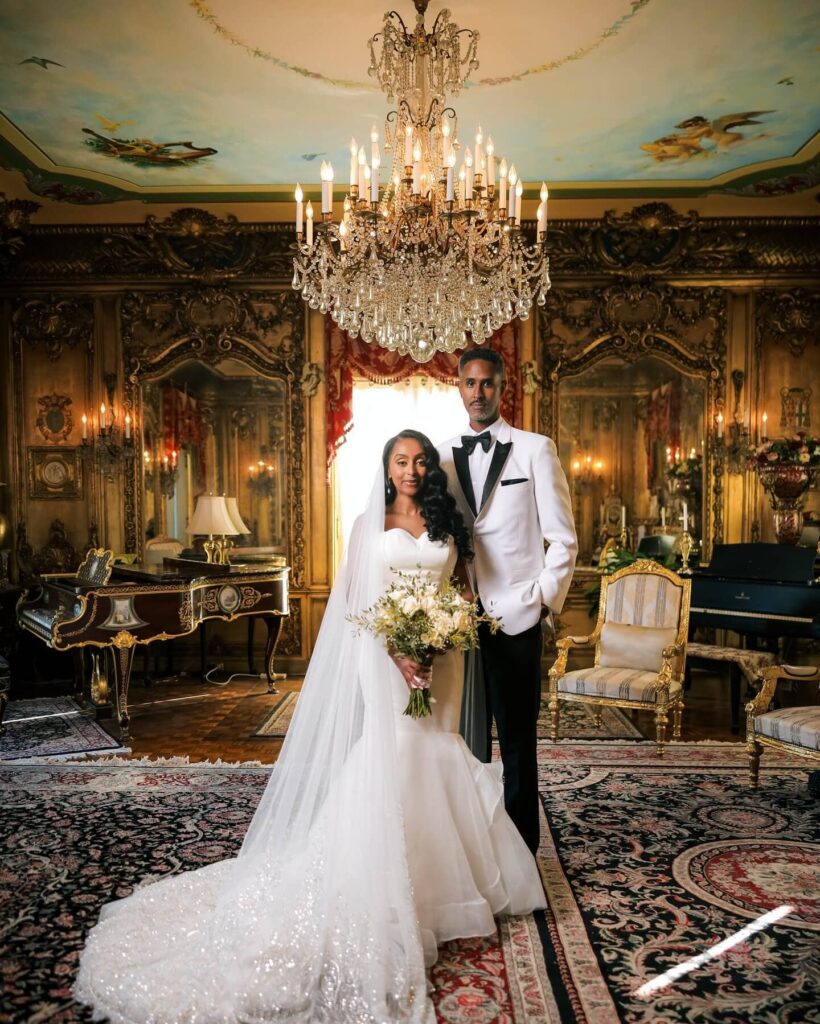
How Ethiopian Couples Split Wedding Costs Today
While tradition still plays an important role in Ethiopian weddings, the way couples handle wedding expenses has changed significantly over time. Many modern couples are no longer following a strict expectation of who pays for what. Instead, they are finding arrangements that fit their financial situation, personal preferences, and the type of wedding they want to create.
For many couples today, especially those living in cities like Addis Ababa or abroad, the bride and groom take a more active role in funding their own wedding. Some couples choose to cover most of the major expenses themselves, including venue rentals, catering, photography and videography, entertainment, decorations, and other parts of the celebration. This gives them more control over their budget and allows them to make decisions based on their own priorities.
However, family support remains a major part of Ethiopian wedding culture. Because weddings are often seen as a celebration between two families, both sets of parents and relatives may contribute based on their financial ability. Families may help cover larger expenses such as food, drinks, decorations, traditional ceremonies, guest arrangements, or other costs involved in bringing everyone together.
For Ethiopian couples living in the diaspora, the arrangement can look even more different. Some may combine modern wedding planning with traditional expectations, while others may take full responsibility for their wedding costs or receive support from family members in Ethiopia and abroad. Distance, finances, and personal circumstances often influence how these couples divide expenses.
Ultimately, there is no single way Ethiopian couples pay for weddings today. Some follow traditional family roles, some split costs equally, and others create their own approach. What remains consistent is the importance of family support, shared responsibility, and creating a celebration that reflects both the couple’s wishes and their cultural values.
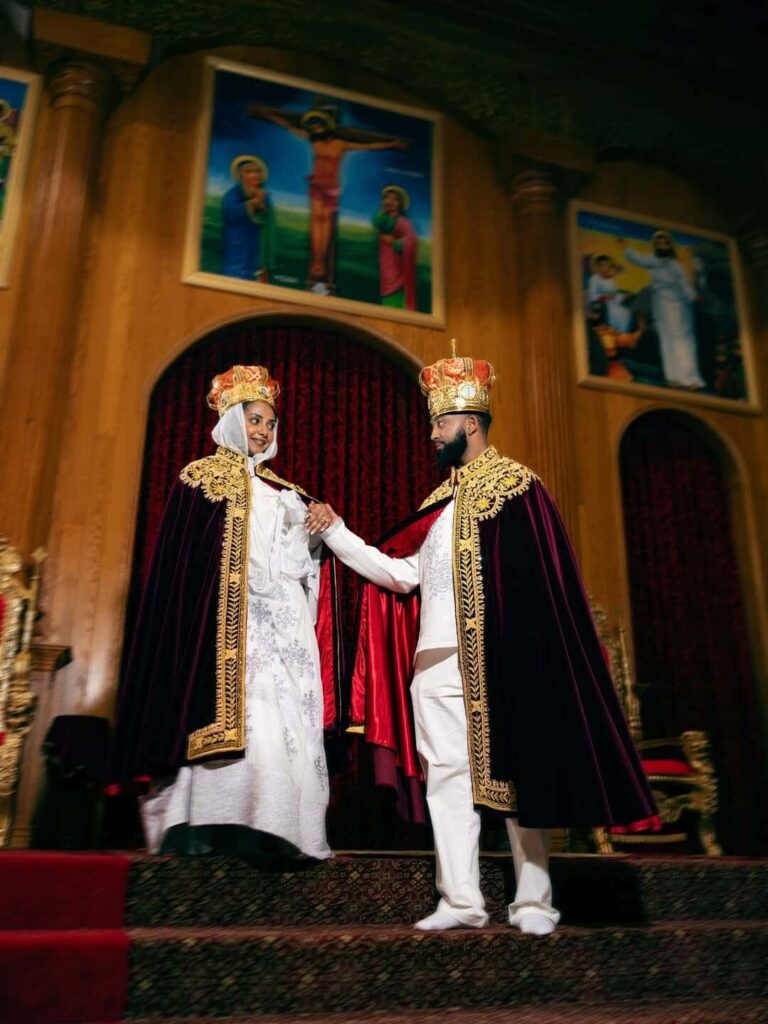
Final Thoughts
There is no fixed rule for who pays for a wedding in Ethiopia. While traditions may outline certain responsibilities for the bride, groom, and their families, every wedding is shaped by the people involved, their circumstances, and the agreements they make together.
At its heart, an Ethiopian wedding is often a shared family celebration. It brings together two families, and contributions are usually about more than money. They represent support, respect, and the desire to help the couple begin their new journey.
Tradition is a guide, not a rule. Modern Ethiopian couples are finding their own ways to balance cultural expectations with their personal goals and financial realities. The most important thing is to communicate, contribute where possible, and create a wedding day that reflects the values and story of the couple.