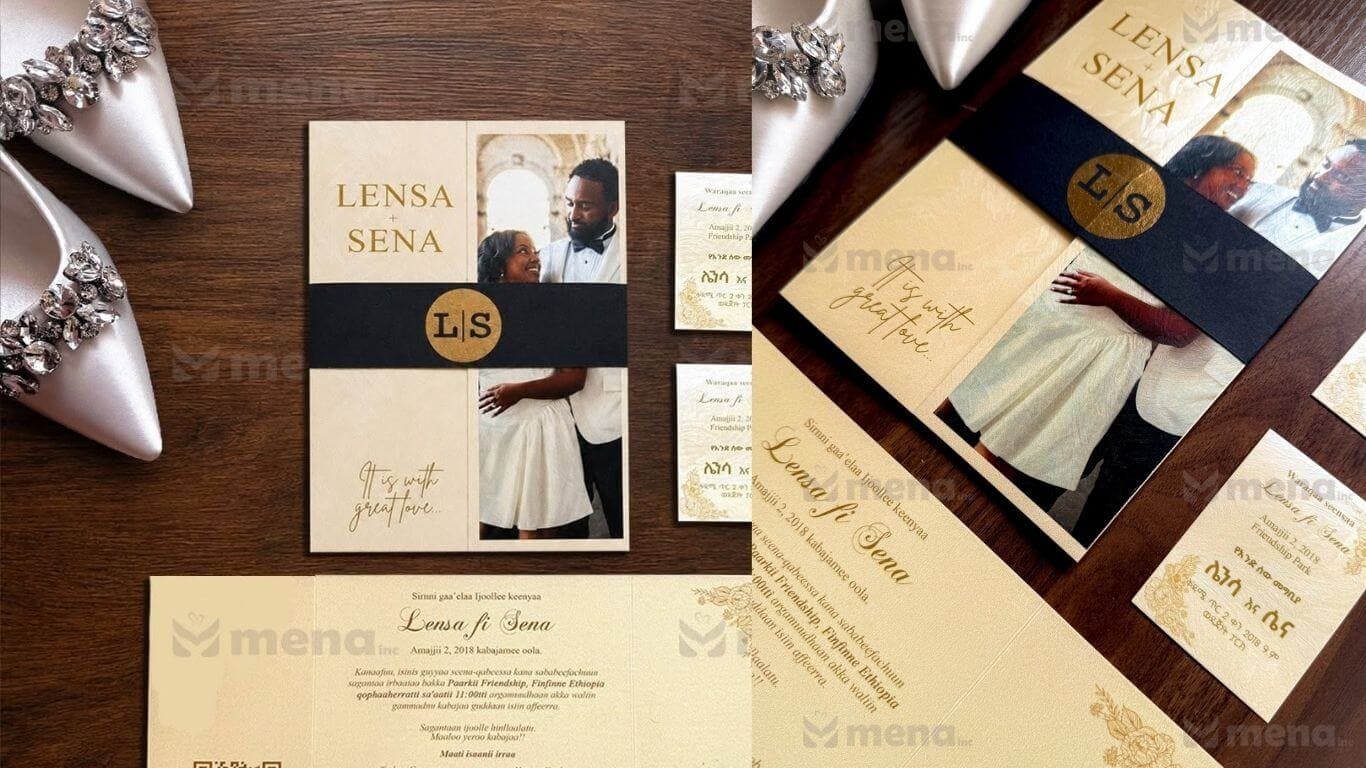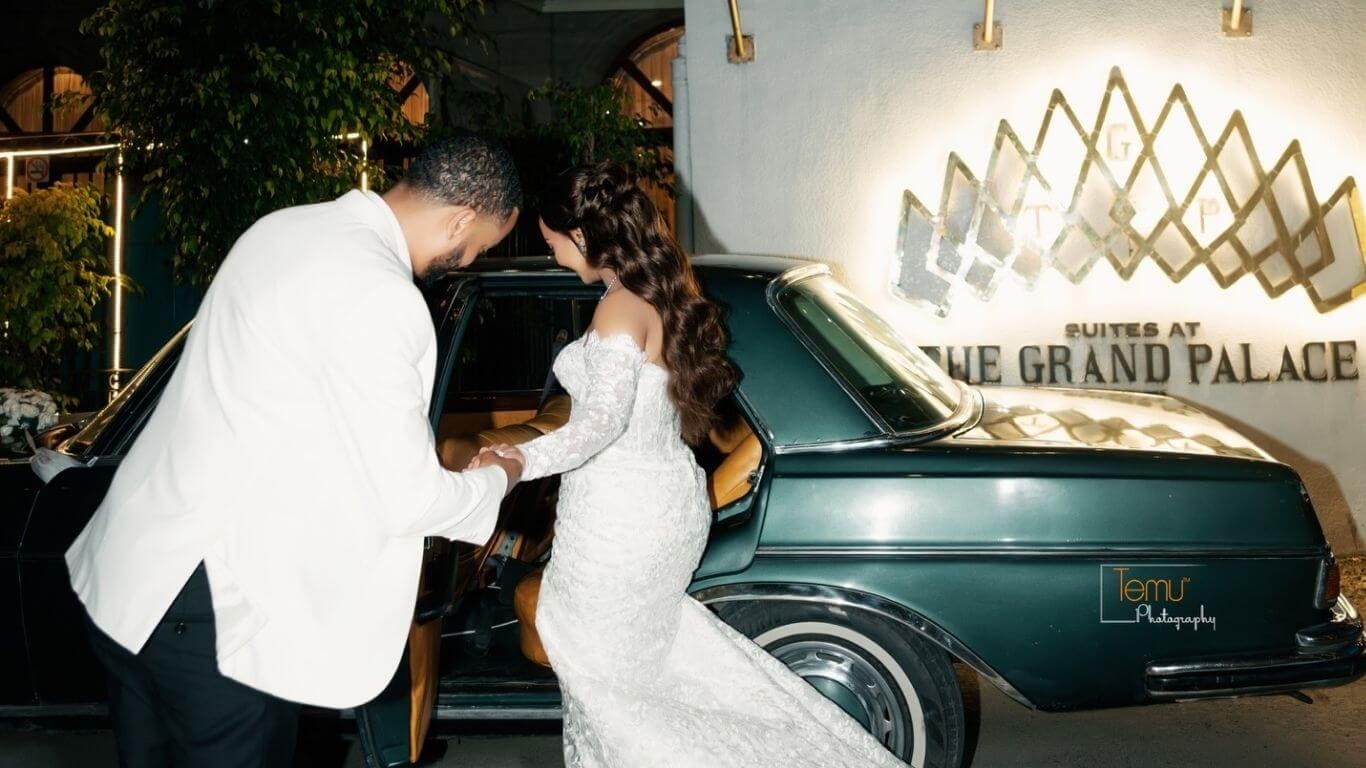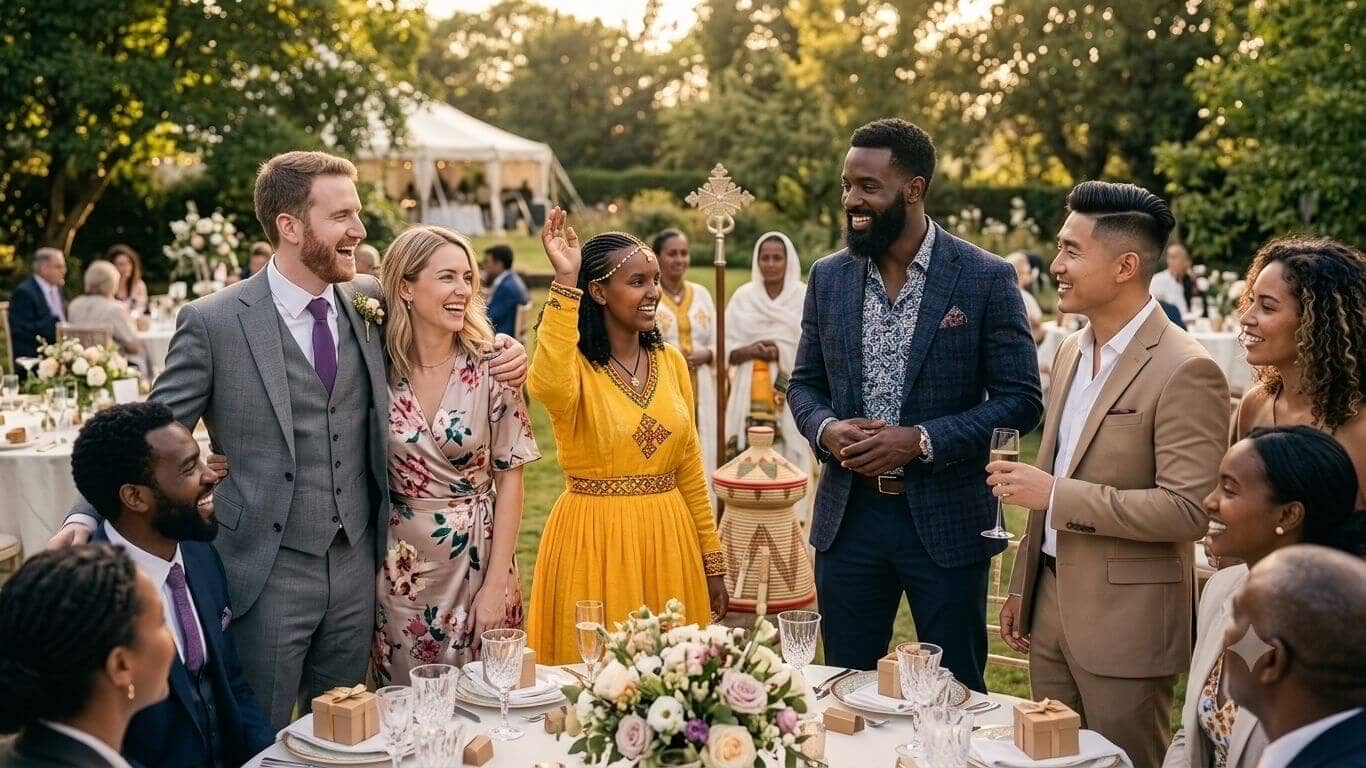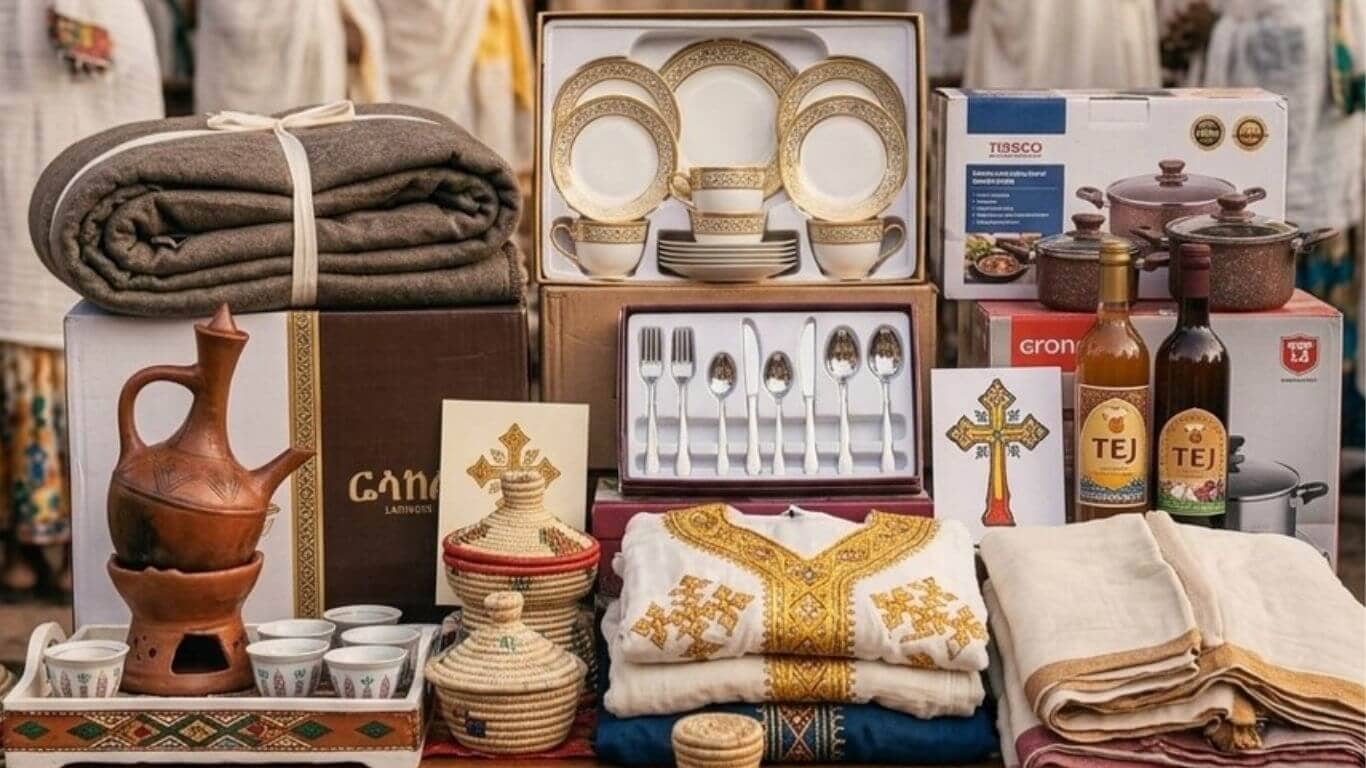
How much does an Ethiopian wedding cost? Couples spend thousands to millions on their dream weddings, depending on their preferences, guest count, and traditions.
An Ethiopian wedding is a reflection of culture, family, tradition, and the values that have been passed down through generations. Across Ethiopia’s diverse communities, including the Amhara, Oromo, Tigray, Wollo, and many others, weddings carry unique customs, ceremonies, and expectations that make each celebration different.
Understanding an Ethiopian wedding requires looking beyond the wedding day itself. Couples and families often need to understand the different types of marriages recognized under Ethiopian law, the legal requirements that determine the validity of a marriage, and the important steps involved in planning the celebration. From creating a wedding checklist to understanding the order of events in a traditional wedding program, every detail plays a role in bringing the day together.
One of the biggest questions many couples and families eventually ask is: how much does an Ethiopian wedding cost? While every wedding is unique, the overall cost is influenced by several factors, including the number of guests, type of ceremony, venue, food, attire, entertainment, and the level of detail included in the celebration.
Knowing the average cost of weddings in Ethiopia helps couples create realistic expectations, plan their finances wisely, and make better decisions throughout the wedding journey. In this guide, we break down the major factors that influence Ethiopian wedding costs and what couples should consider when preparing their budget. For couples looking for an easier way to organize their expenses, JanaTribe’s wedding budget tool helps couples track their spending and plan their dream wedding with clarity.
Overview of Weddings in Ethiopia
Before looking at how much weddings cost in Ethiopia, it is important to understand what an Ethiopian wedding typically involves. A wedding celebration is not just a single-day event; it is often a journey that includes family discussions, traditional ceremonies, religious or civil celebrations, and gatherings that bring relatives and communities together.
Traditionally, Ethiopian weddings involve strong family participation from the very beginning. In many communities, the process starts with families playing an important role in discussions, introductions, and marriage arrangements. Elders may be involved in negotiations, offering guidance and helping both families reach an agreement before the couple moves forward with the celebration.
One of the well-known traditions is Shimagelay, where respected elders or representatives from the groom’s side approach the bride’s family to formally discuss the marriage. This process reflects the importance of respect, family approval, and community involvement in Ethiopian marriage traditions. In some cultures, other ceremonies such as Telosh, where the groom’s family presents gifts to the bride, also form an important part of the wedding journey.
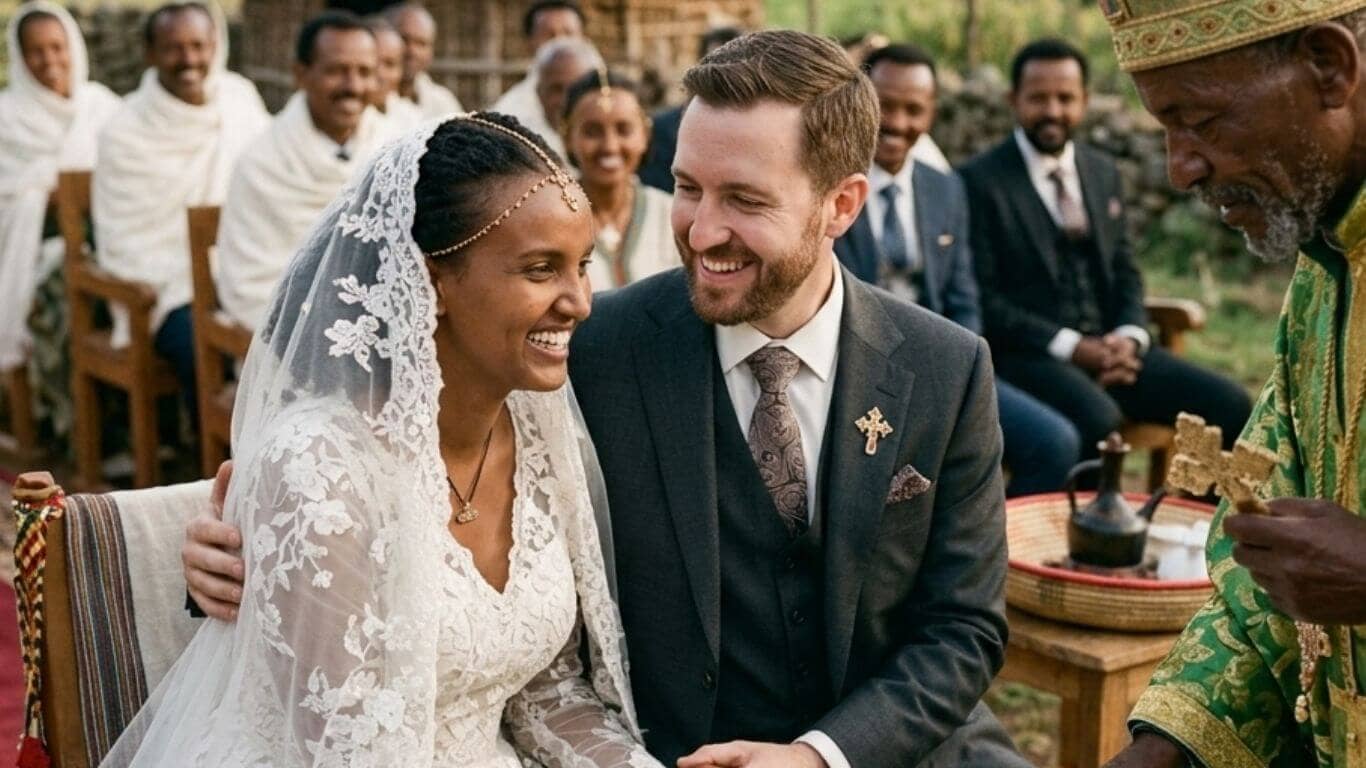
The main wedding celebration can take different forms depending on the couple’s preferences, religious background, and family traditions. Some couples may have a traditional ceremony, a religious wedding, a modern celebration, or a combination of these. The wedding day often includes music, dancing, food, traditional clothing, photography, and gatherings that bring together family members, friends, and guests.
The celebrations may continue even after the main wedding day. Events such as Melse and Kelekels are important post-wedding gatherings where families and guests continue celebrating the union. These occasions are not only about entertainment but also about strengthening relationships between families and honoring the traditions surrounding marriage.
Because Ethiopian weddings can include multiple events, large guest gatherings, traditional expectations, and different levels of celebration, the total cost can vary greatly from one couple to another. Understanding the structure of these celebrations helps explain why some weddings have modest budgets while others require significantly larger investments.
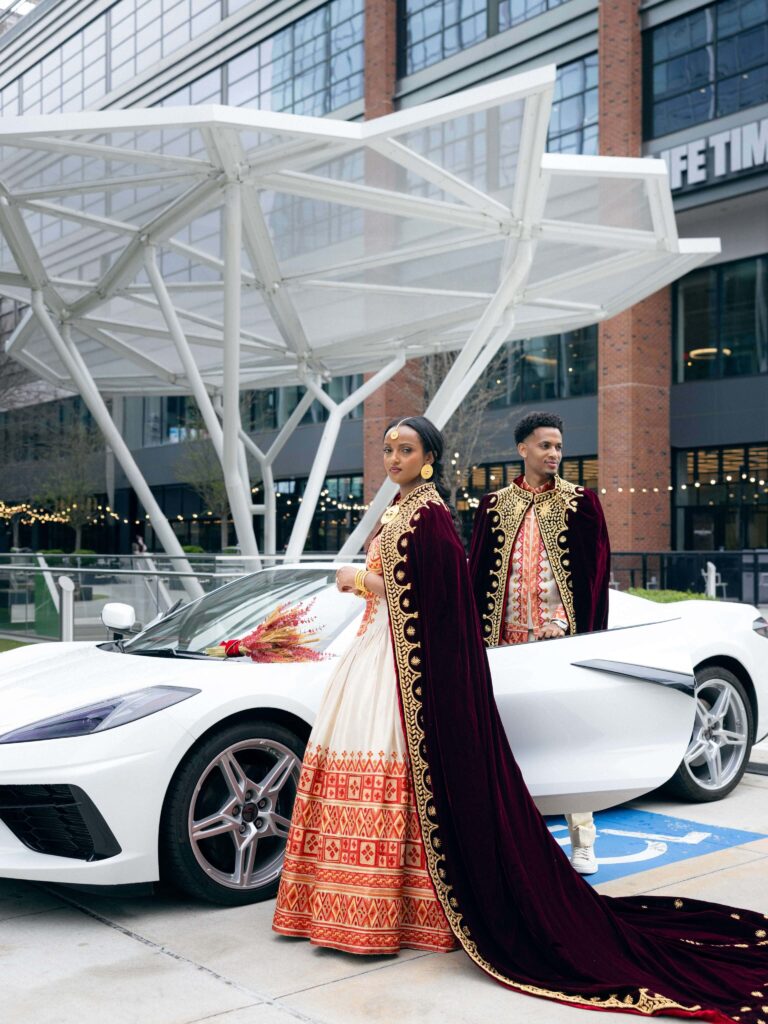
How Much Does an Ethiopian Wedding Cost?
The cost of an Ethiopian wedding can vary significantly depending on the couple’s preferences, location, guest size, and the scale of the celebration. A small family gathering will naturally cost far less than a large wedding involving hundreds of guests, multiple ceremonies, and premium vendors. Other factors, such as the venue, catering choices, wedding attire, photography and videography, entertainment, the number of events, and the level of family involvement, can all influence the final budget.
So, how much does an average Ethiopian wedding cost? Based on a review of typical wedding expenses across Ethiopia, couples can expect to spend anywhere from 350,000 ETB ($2,168) to 2.5 million ETB ($15,486) or more for a wedding celebration. A simple wedding with fewer guests and fewer events may cost around 90,000 ETB to 250,000 ETB, while a mid-range wedding with better venues, larger guest lists, and more professional services can range between 260,000 ETB and 600,000 ETB. Large or premium Ethiopian weddings featuring multiple celebrations such as Telosh, religious ceremonies, Mels, luxury décor, and high-end vendors can easily cost between 800,000 ETB and over 3 million ETB.
These estimates align with what other sources have reported about wedding expenses in Ethiopia:
- Ethiopian Business Review noted that wedding costs in urban areas can range from around 100,000 ETB to millions of Birr, depending on the scale of the celebration.
- Harusi Hub highlighted how individual traditional events can significantly add to the total cost, with Telosh ranging from about 70,000 ETB to over 430,000 ETB, church ceremonies ranging from 23,000 ETB to 120,000 ETB, and Mels celebrations reaching 310,000 ETB to over 2.3 million ETB.
- HabeshaLink estimated that small weddings can cost around 90,000 ETB to 150,000 ETB, medium weddings around 250,000 ETB to 350,000 ETB, and larger celebrations can range from 350,000 ETB to 800,000 ETB or more.
- Gorebet’s breakdown showed how quickly individual expenses add up, with venue rentals ranging from 30,000 ETB to 300,000 ETB, catering depending on guest numbers, photography reaching around 30,000 ETB, music and entertainment costing 50,000 ETB or more, and other hidden expenses adding thousands more.
Real experiences from Ethiopian couples also show just how wide the range can be. Some couples have celebrated with simple ceremonies costing a few hundred thousand Birr, while others have spent tens of thousands of dollars on large celebrations with hundreds of guests, professional coordination, décor, entertainment, and covering additional costs for the wedding party. For many Ethiopian families, weddings are not only personal celebrations but also important social events, which can sometimes increase the pressure to host a bigger and more generous occasion.
Factors That Increase the Cost of Weddings in Ethiopia
While some couples may spend modestly on their wedding celebrations, others invest significantly more to create a larger and more memorable experience. The difference usually comes down to the choices made throughout the planning process. From the number of guests invited to the type of venue selected and the quality of vendors hired, several factors can quickly increase the overall cost of an Ethiopian wedding.
1. Guest Count
The number of guests is one of the biggest factors that influences wedding costs in Ethiopia. Weddings are often community-centered celebrations where families, friends, colleagues, and extended relatives may all be included. While inviting more guests creates a bigger celebration, it also increases expenses for food, drinks, seating, venue size, invitations, souvenirs, and other arrangements.
For couples looking to manage their budget, carefully planning the guest list can make one of the biggest differences in the final cost.
2. Venue Selection
The venue sets the tone for the entire wedding and can significantly affect the budget. A simple event hall may cost much less than a luxury hotel or premium wedding venue that offers additional services, elegant spaces, and exclusive packages.
In major cities, especially Addis Ababa, high-end hotels and popular venues often charge premium rates, with some packages requiring payments in foreign currency for certain services. Couples choosing a luxury setting should expect the venue to take up a significant portion of their wedding budget.
3. Catering and Drinks
Food is one of the most important parts of Ethiopian weddings, and it is also one of the largest expenses. Since weddings often involve many guests, catering costs can quickly increase based on the number of people attending, the menu selected, and whether drinks are included.
Traditional dishes, buffet arrangements, premium menus, and alcoholic beverages can all influence the final catering bill. A small difference in the cost per guest can become a major expense when multiplied by hundreds of attendees.
4. Wedding Attire
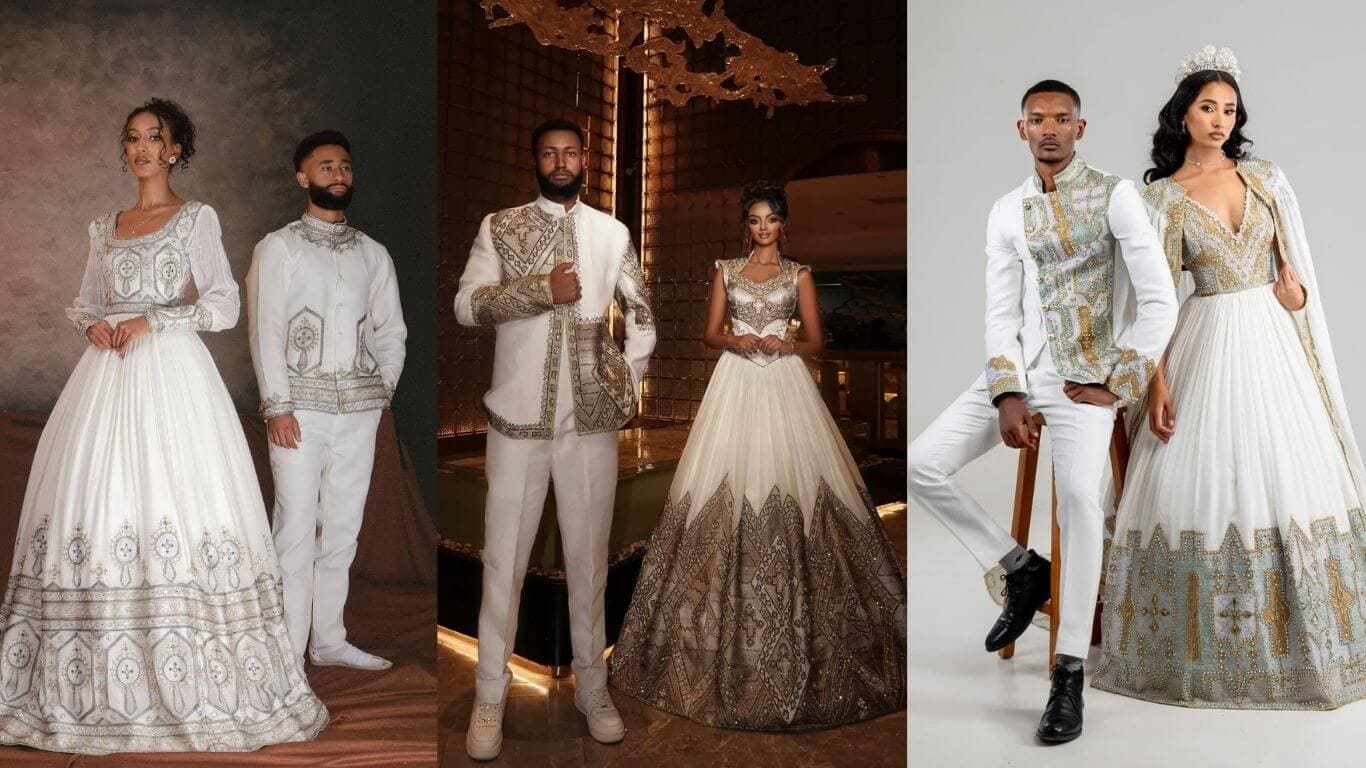
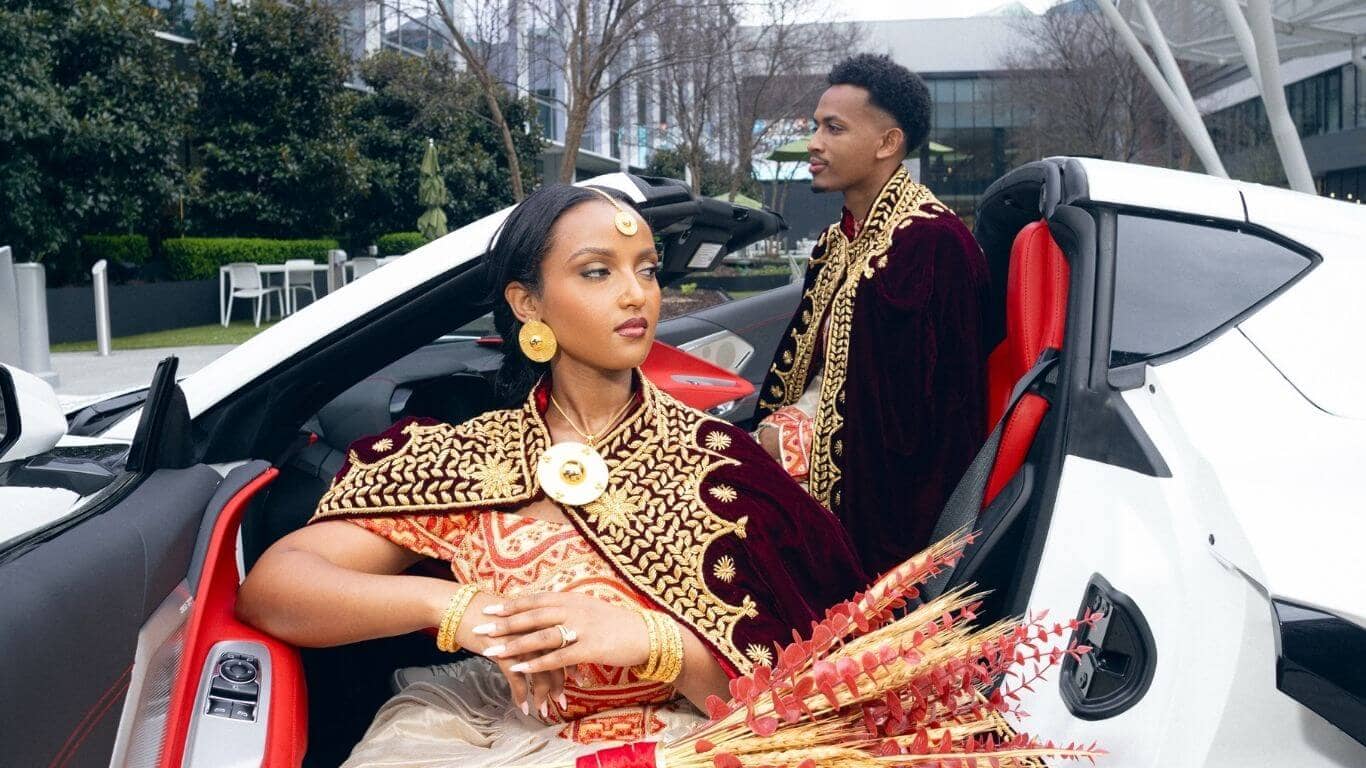
Wedding attire is another area where couples can choose between different price levels. Traditional Ethiopian clothing, including beautifully designed Habesha Kemis and other cultural outfits, can vary widely depending on the quality of materials, embroidery, and the reputation of the designer.
Some couples choose simple outfits, while others invest in custom-made designs, multiple outfit changes, and premium accessories, which can significantly increase costs.
5. Photography and Videography
Capturing the wedding memories has become a major priority for many couples. Professional photographers and videographers offer different levels of service, from basic coverage to full wedding films with cinematic editing.
Experienced photographers, popular studios, and teams offering additional services such as drone footage, pre-wedding shoots, and same-day edits usually charge higher prices.
6. Decorations and Flowers
Wedding décor can transform a venue, but it can also become one of the most expensive parts of the celebration. The cost depends on the design style, materials used, floral arrangements, lighting, stage setup, and the size of the venue.
Couples planning elegant or luxury-themed weddings often spend considerably more because of the level of detail required to create the desired atmosphere.
7. Entertainment and Music
Music and entertainment play an important role in Ethiopian wedding celebrations. Hiring a DJ, live band, cultural performers, or popular musicians can greatly affect the budget.
The difference between a local entertainer and a highly requested performer can be significant, especially when couples want a memorable experience for hundreds of guests.
8. Number of Wedding Events
An Ethiopian wedding is often not limited to a single celebration. Events such as Telosh, the main wedding ceremony, and Mels can each come with their own expenses, including food, clothing, venue arrangements, and entertainment.
Couples who combine events or keep celebrations smaller may spend less, while those hosting multiple large gatherings should expect the overall cost to increase.
9. Luxury Expectations
Beyond the essential wedding expenses, personal expectations often determine how much a couple ultimately spends. Some couples prioritize premium venues, designer outfits, celebrity entertainment, elaborate décor, and highly experienced planners.
There is also the reality that weddings in Ethiopia can carry social expectations around generosity and hospitality. For some families, creating an impressive celebration is an important way of honoring guests and showcasing the significance of the occasion.
10. Inflation and Changing Vendor Prices
Wedding costs in Ethiopia can also change due to economic conditions. Vendor prices for services such as venues, catering, décor, and entertainment may increase over time, meaning couples should confirm current prices before making commitments or signing agreements.
Since wedding costs are not always standardized, comparing different vendors and understanding what is included in each package can help couples avoid unexpected expenses.
Tips to Reduce Wedding Costs in Ethiopia
Planning an Ethiopian wedding comes with many exciting decisions, but without proper planning, small expenses can quickly add up. Reducing costs does not mean removing the important parts of the celebration. It means understanding where your money matters most, making intentional choices, and avoiding expenses that do not add real value to your wedding experience.
1. Prioritize What Matters Most
Every couple has different things that matter most to them. For some, it may be the food and guest experience, while others may prioritize photography, traditional attire, or entertainment.
Before spending money, identify your must-haves and separate them from things that are simply nice to have. Sharing your budget and priorities with vendors early can also help them suggest options that fit your needs without forcing you to compromise on the parts of the wedding that matter most.
2. Manage the Guest List Carefully
Since Ethiopian weddings are often large gatherings involving family, friends, and the wider community, the guest list can have one of the biggest impacts on your budget.
Reducing unnecessary invitations does not mean excluding people who matter. Instead, it helps couples focus their resources on creating a better experience for the guests they truly want present. Fewer guests can mean lower costs for catering, drinks, venue size, seating, and other arrangements.
3. Choose Your Venue Strategically
The venue is usually one of the biggest wedding expenses, so choosing carefully can make a major difference. Popular venues and luxury hotels often come with higher prices, especially during peak wedding seasons.
Booking early can help couples secure better options before prices increase or availability becomes limited. Couples should also consider whether the venue offers real value for the price or whether a simpler location could provide the same experience at a lower cost.
4. Compare Vendors Before Making Decisions
Wedding vendor prices can vary widely in Ethiopia. A well-known brand or highly requested professional may charge significantly more than a smaller business offering similar quality.
Take time to compare different vendors, review their previous work, understand what is included in each package, and negotiate where possible. For items such as traditional wedding attire, choosing skilled local designers or smaller boutiques can sometimes provide excellent quality without the additional cost that comes with famous names.
5. Combine Ceremonies Where Possible
Traditional Ethiopian weddings may include several events, each with its own expenses. While ceremonies such as Telosh, the main wedding celebration, and Mels hold cultural importance, couples can consider ways to combine events or keep certain gatherings smaller.
The goal is not to remove traditions but to find a balance between honoring family expectations and creating a celebration that fits within the couple’s financial reality.
6. Plan Early
Starting early gives couples more control over their budget. It allows enough time to compare vendors, negotiate prices, save gradually, and avoid last-minute decisions that often come with higher costs.
Couples should also request updated quotes directly from vendors instead of relying on old prices found online or from previous weddings. With changing economic conditions, current pricing may be different from what was available months earlier.
7. Stay Involved Throughout the Process
Hiring a wedding planner can make the planning process easier, but couples should still remain involved. Regular communication with vendors, reviewing details, and confirming responsibilities can help prevent misunderstandings and unexpected problems.
A planner can provide guidance, but the couple’s involvement ensures that the final celebration reflects their vision and that their money is being spent wisely.
8. Learn From Couples Who Recently Married
One of the best ways to understand realistic wedding expenses is by speaking with couples who have recently gone through the process. Their experiences can provide practical insights into what they spent, where they saved money, and which expenses were worth the investment.
Real wedding budgets can vary widely, so hearing directly from others can help couples set more realistic expectations before making major financial decisions.
Final Thoughts
An Ethiopian wedding is a celebration built around love, family, culture, and shared traditions. From the early planning stages to the final ceremony, every couple creates a celebration that reflects their story, values, and expectations. Understanding Ethiopian wedding traditions and customs can help couples appreciate the meaning behind each part of the journey.
While wedding costs in Ethiopia can range from modest celebrations to large, multi-event occasions, the final budget depends on the choices a couple makes. Factors such as guest size, venue, vendors, and the number of celebrations all play a role in determining how much a wedding will cost.
There is no single amount that every couple must spend to have a memorable wedding. Whether planning an Orthodox church wedding, a traditional celebration, or a modern event, the most important step is creating a realistic budget and making thoughtful decisions throughout the process. With proper planning, couples can celebrate their special day while staying in control of their finances.