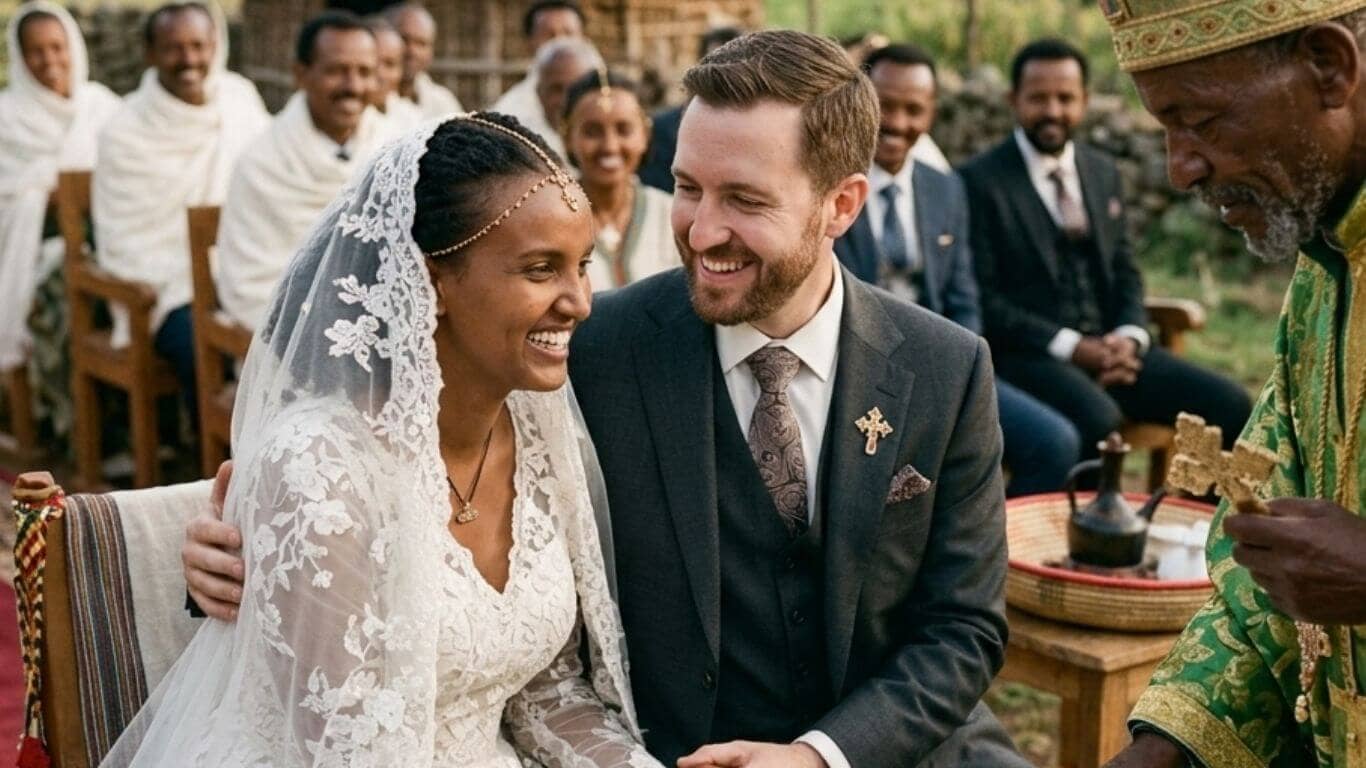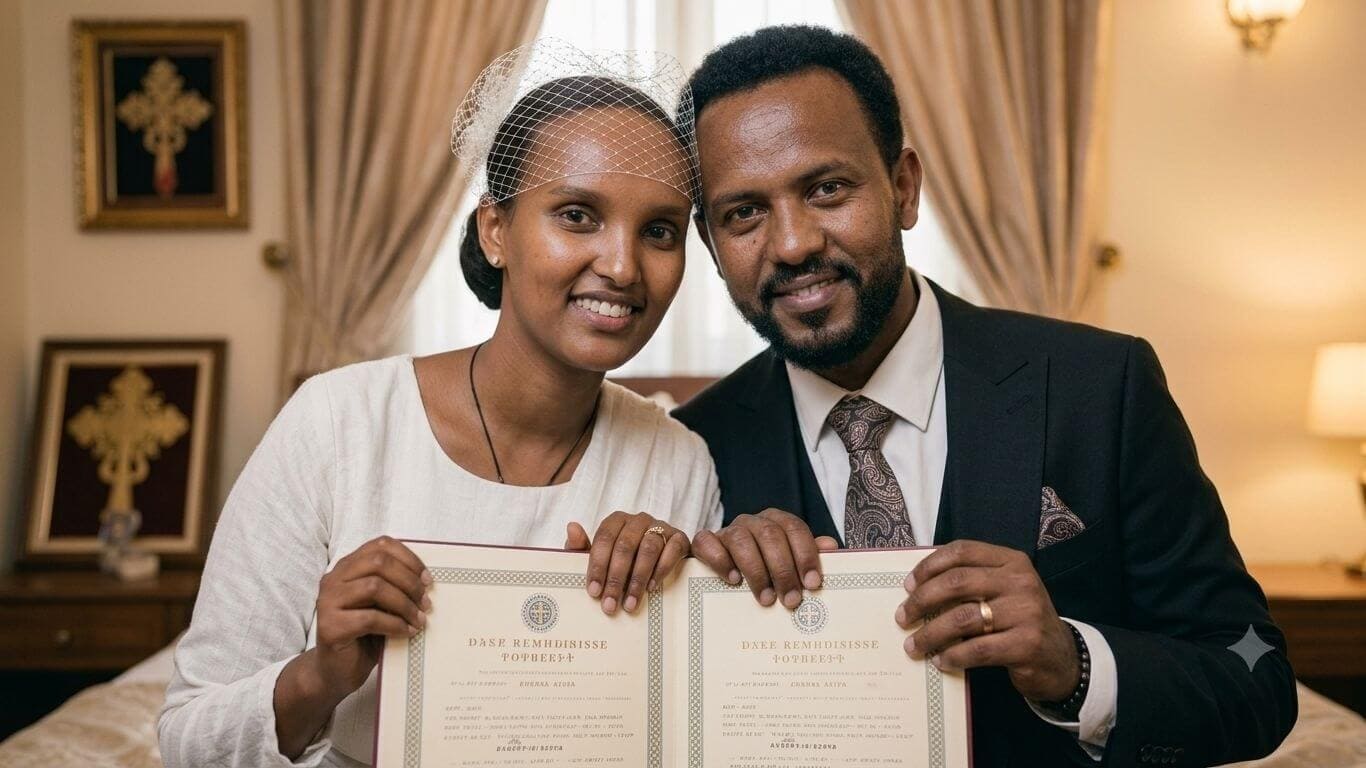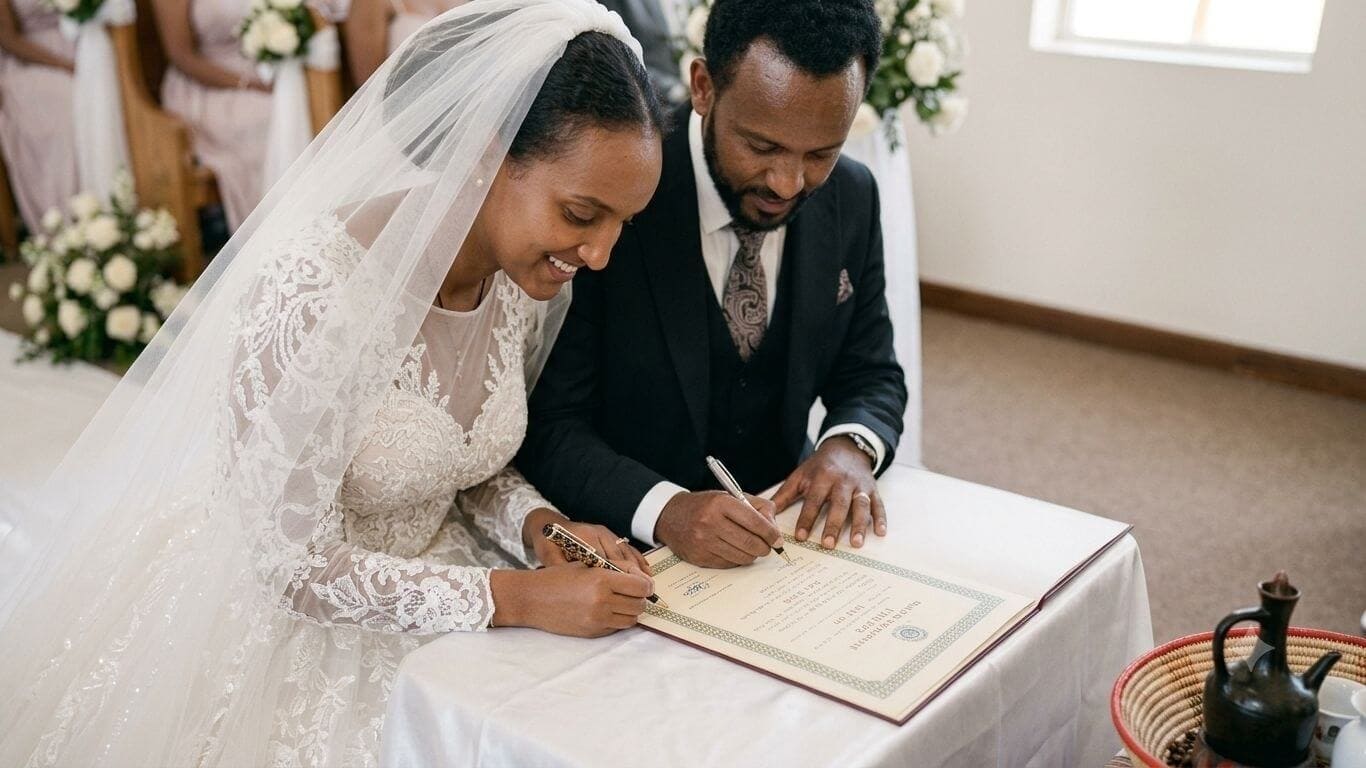
If you’re planning a stress-free wedding in Ethiopia, this detailed 1-year timeline will guide you every step of the way, from your engagement and the six-month mark to your wedding day and beyond.
Imagine two adults meet, whether in Ethiopia while studying abroad or living in another country. They become friends, fall in love, and after months or years together, one heartfelt proposal changes everything. They’re engaged. Suddenly, the conversations shift from dreams of the future to planning a life together and celebrating it with the people they love.
As the excitement settles in, the reality of planning an Ethiopian wedding begins. You start picturing yourself walking down the aisle, exchanging vows, wearing your wedding attire, celebrating with family and friends, and creating memories that will last a lifetime. But alongside those beautiful moments come important decisions about budgets, venues, traditions, guest lists, travel, and countless other details.
Planning an Ethiopian wedding is unlike planning many other weddings. Beyond the ceremony and reception, there may be traditions such as the Shimagelay, Telosh, engagement celebrations, religious or civil marriage, and the Mels, each requiring thoughtful planning and coordination. For couples living abroad or marrying across cultures, there may also be travel arrangements, legal requirements, and family expectations to consider.
The couples who enjoy the smoothest wedding journeys usually have one thing in common: they don’t rely on memory or leave important decisions until the last minute. Instead, they follow a wedding planning checklist that breaks the entire process into manageable steps, helping them know what to do, when to do it, and what to prioritize each month. It keeps deposits from being forgotten, paperwork from being delayed, vendors from being booked too late, and important traditions from being overlooked.
That’s exactly what this 12-month Ethiopian wedding planning checklist is designed to help you do. Whether you’re planning a traditional Ethiopian wedding, a modern celebration, or a blend of both, this month-by-month guide will walk you through every stage of the journey so you can stay organized, reduce stress, and enjoy the experience from your engagement to your wedding day and beyond.
1-Year Ethiopian Wedding Planning Timeline

12 Months Before the Wedding
Build the foundation and set the wedding vision
The first month after deciding to get married should not be about rushing into bookings and decisions. It is about taking a step back as a couple and imagining the wedding you want to create. Before choosing venues, outfits, or vendors, you need to understand what matters most to both of you.
An Ethiopian wedding can involve different celebrations, traditions, families, and expectations. Whether you are planning a traditional Ethiopian wedding, a religious ceremony, a civil marriage, a reception, or a combination of these, having a clear vision from the beginning will make the entire journey easier.
This is the time to have honest conversations, write down your ideas, and create a foundation that reflects both your love story and the traditions that are important to you.
Your checklist for this month
Decide on your preferred wedding month and a few possible dates.
Talk about the kind of wedding experience you want to create:
- Do you want a large celebration with extended family and friends or a smaller gathering?
- Do you want a traditional Ethiopian wedding, a modern wedding, or a combination of both?
- Do you want the celebration to take place in Ethiopia, your current country of residence, or another destination?
Decide which wedding celebrations you want to include:
- Engagement ceremony
- Shimagelay (Shimgilina)
- Telosh
- Religious wedding
- Civil marriage
- Reception
- Mels
Discuss how you want Ethiopian traditions to be part of your wedding.
- Which customs are important to both families?
- Are there traditions either family expects you to observe?
- Are there cultural differences you need to understand and discuss?
Have an early conversation about your wedding budget.
- What kind of celebration feels realistic?
- Who will contribute financially?
- Are there family members who will support certain parts of the wedding?
Create an initial idea of your guest list.
- Close family only?
- Extended family and community?
- Friends from Ethiopia and abroad?
Decide on the location of your wedding.
- Addis Ababa
- Another city in Ethiopia
- Your current country of residence
- Another destination
If one or both of you live abroad, discuss your travel plans.
- When will you travel to Ethiopia?
- How long will you stay before and after the wedding?
- Will you need additional time for family meetings, traditional ceremonies, or legal processes?
If your partner is not Ethiopian, spend time learning about Ethiopian wedding traditions, family expectations, and the meaning behind ceremonies such as Shimagelay and Telosh.
Start conversations with both families about Shimagelay (Shimgilina).
- Will both families follow this tradition?
- Who are the respected elders who may represent each family?
- When would be the appropriate time to begin the process?
Discuss Telosh expectations with both families.
- Will gifts be exchanged?
- What traditions does each family follow?
- Who will take responsibility for organizing it?
If you are planning a religious wedding, begin understanding what your church or place of worship requires.
- Pre-marital counselling
- Documents
- Religious preparation
Create a simple wedding planning notebook or digital document.
Use it to write down:
- Your wedding vision
- Ideas and inspiration
- Important decisions
- Questions for your families
- Things you do not want to forget
11 Months Before the Wedding
Build your planning team
Now that you have a clearer idea of the wedding you want, it is time to start putting the right support system around you. Ethiopian weddings often involve many people, from family members and elders to planners and trusted helpers, so having the right people involved early can make the journey much smoother.
This is the stage to decide who will support you, understand your financial plan, and begin exploring the key elements needed to bring your vision to life.
Your checklist for this month
- Decide whether you need a wedding planner or coordinator to help manage the process.
- Involve the immediate family members who will play an important role in the wedding journey.
- Create a wedding savings plan and decide how you will track expenses.
- Begin exploring possible wedding venues that match your preferred date, location, and wedding style.
- Start researching potential vendors and gathering information about available options and pricing.
10 Months Before the Wedding
Secure your biggest bookings
At this point, your wedding vision is becoming a real plan. The biggest decisions should now start moving from ideas to commitments. Popular venues and experienced vendors can get booked months in advance, especially during busy wedding seasons, so securing the services that will shape your wedding experience is important.
Focus on the vendors and spaces that have the biggest impact on your celebration. Once these major pieces are in place, the smaller details become much easier to manage.
Your checklist for this month
- Book your wedding planner or coordinator (if you decided to work with one).
- Secure your ceremony venue.
- Secure your reception venue.
- Book your photographer.
- Book your videographer.
- Confirm your caterer and discuss your preferred menu, including traditional Ethiopian dishes if desired.
- Book your decorator and discuss your wedding style, colours, and overall look.
- Secure your entertainment:
- DJ
- Traditional musicians
- Azmari performers (if desired)
- Book your MC or wedding host.
- Arrange transportation for the couple, wedding party, and important guests if needed.
- Book your makeup artist and hairstylist.
- Confirm any additional cultural or ceremony-related services you may need for your wedding traditions.
9 Months Before the Wedding
Begin your legal and cultural preparations
With the main bookings underway, this is the time to focus on the traditions, family expectations, and legal steps that make your Ethiopian wedding complete. These parts often require conversations with family members, elders, and religious or government authorities, so starting early gives you enough time to prepare properly.
Ethiopian weddings carry deep cultural meaning, and understanding what is expected ahead of time helps avoid last-minute pressure while allowing both families to enjoy the process.
Your checklist for this month
- Learn the legal requirements for getting married in Ethiopia.
- Decide whether you will have a civil marriage, religious ceremony, or both.
- Discuss important family traditions and expectations with both families.
- Begin planning the Shimagelay (Shimgilina) process, including:
- Choosing the respected elders (Shimagles)
- Discussing the timing
- Understanding the role each family will play
- Start discussing the Telosh ceremony:
- Whether it will be included
- How both families want it organized
- Any important customs to follow
- Decide whether you will include Kelekel as part of your wedding celebrations.
- If you or your partner live abroad, begin preparing travel plans and passport-related arrangements, including time needed for documents and family meetings.
@sergegna Wedding Planner and Protocol 0919364676 #adarash #weddingplanning #sergegna #ethiopianwedding #bigday ♬ original sound – Mathy photo and Velo adama
8 Months Before the Wedding
Create your wedding identity
Your wedding is more than just a ceremony. It is a celebration that reflects who you are as a couple, your story, and the experience you want your guests to have. This is the stage where you begin bringing your ideas together and creating the look, feel, and information structure for your wedding.
Whether you want a traditional Ethiopian celebration, a modern wedding, or a blend of both, defining these details early will help guide your decisions moving forward.
Your checklist for this month
- Choose your wedding colours and overall style.
- Decide on your wedding theme or the feeling you want your celebration to create.
- Choose your bridal party and groomsmen.
- Decide whether you want a wedding logo or monogram for your invitations, website, or wedding materials.
- Create your wedding website to share important details with guests, including:
- Wedding date and location
- Couple’s story
- Ceremony and reception details
- Travel and accommodation information
- Frequently asked questions
- Start collecting important guest information, especially for family members and guests travelling from different cities or countries.
- Share your save-the-date with guests, particularly those who may need to make travel arrangements.
7 Months Before the Wedding
Shop and plan the details
With the major parts of your wedding already taking shape, this is the time to focus on the details that will bring your wedding look together. Ethiopian weddings often involve multiple outfits and styles, from traditional attire to modern wedding clothing, so giving yourself enough time to choose, tailor, and make adjustments is important.
Start making these decisions early, so your outfits reflect your personality, culture, and the kind of celebration you want to create.
Your checklist for this month
- Choose your wedding dress and allow enough time for fittings and adjustments.
- Plan your traditional Ethiopian attire, including outfits for ceremonies such as Telosh, the wedding day, or Mels if you are including them.
- Choose the groom’s attire, whether traditional Ethiopian clothing, a suit, or a combination of both.
- Decide on outfits and styling for your bridesmaids.
- Select and purchase your wedding rings.
- Choose your wedding shoes and ensure they are comfortable for the celebrations.
- Select accessories and finishing details, including jewellery, headpieces, veils, or other cultural pieces.
@.semur.events #semurevents #orthodoxwedding #wedding #eventplanner #ethiopianorthodoxwedding ♬ original sound – ስሙር ኤቨንትስ – Semur Events
6 Months Before the Wedding
The halfway checkpoint
You are now halfway through your wedding journey, and this is the perfect time to pause, review, and make sure everything is moving in the right direction. The excitement is building, but this stage is about staying organized, checking what has been completed, and taking care of the important details that can easily be overlooked.
Use this month to confirm your plans, close any gaps, and make sure you, your families, and your guests are prepared for the months ahead.
Your checklist for this month
- Review your wedding budget and update your expenses to ensure you are still on track.
- Finalize your guest list and confirm the expected number of attendees.
- Book any remaining vendors and services you still need for the wedding.
- Plan accommodation arrangements for guests travelling from other cities or countries.
- Finalize your transportation plan for the couple, wedding party, and important guests.
- Begin planning your honeymoon, including destination, budget, and travel arrangements.
- Attend marriage counselling or preparation sessions if required by your religious institution or personal preference.
- Schedule health check-ups and complete any necessary preparations before the wedding.
5 Months Before the Wedding
Food, music, and guest experience
With the major planning decisions behind you, it’s time to focus on the experience your guests will remember. Great food, lively entertainment, and thoughtful planning all come together to create a celebration that feels welcoming, enjoyable, and uniquely yours.
This is also a good time to begin putting your wedding day schedule together so everyone involved understands how the day will flow.
Your checklist for this month
- Schedule a catering tasting and finalize your wedding menu.
- Arrange a cake tasting and choose your wedding cake design.
- Finalize your entertainment, including your DJ, live band, traditional musicians, or other performers.
- Create the first draft of your wedding day timeline, from getting ready through the ceremony, reception, and Mels (if applicable).
- Decide whether you will provide wedding favors or thank-you gifts for your guests.
- Make arrangements for children attending the wedding, such as seating, meals, or a dedicated play area if needed.
- Finalize transportation plans for guests travelling between the ceremony, reception, accommodation, or other wedding events.
4 Months Before the Wedding
Invitations and traditions
With just a few months to go, your wedding is beginning to feel real. This is the time to let your guests know the details, keep everyone informed, and make sure the traditional ceremonies are coming together as planned. Staying in close communication with both families will help everything run smoothly in the months ahead.
Your checklist for this month
- Send your wedding invitations to family and friends.
- Update your wedding website with the latest information, including your schedule, venue details, accommodation, and travel information for guests.
- Begin collecting RSVPs and keep track of guest responses.
- Confirm the date, location, and arrangements for the Shimagelay (Shimgilina) ceremony, if you are including it.
- Finalize the plans for the Telosh ceremony, including the gifts, participants, and family responsibilities.
- Confirm whether you will include a Kelekel celebration and finalize the arrangements if applicable.
- Begin planning your Mels celebration, including the venue, guest list, and any traditional activities you would like to include.
- Hold family meetings to review responsibilities, answer questions, and ensure everyone understands their role in the upcoming celebrations.
3 Months Before the Wedding
Confirm every moving part
With three months to go, your focus shifts from planning to confirming. Most of the major decisions have already been made, so this is the time to review every detail, make adjustments where needed, and ensure everyone involved is working from the same plan. A little extra attention now can help prevent unnecessary stress closer to the wedding day.
Your checklist for this month
- Schedule your final wedding dress fittings and any remaining alterations.
- Complete the groom’s attire fitting and make any necessary adjustments.
- Have your hair trial and decide on your final hairstyle.
- Attend your makeup trial and finalize your wedding day look.
- Contact each vendor to confirm dates, arrival times, services, and outstanding payments.
- Prepare the first draft of your seating plan.
- Finalize your ceremony program, including the order of events, readings, music, and speeches.
- Create backup plans for unexpected situations, such as bad weather, vendor delays, transportation issues, or power interruptions, so you’re prepared if plans change.
2 Months Before the Wedding
Final preparations
Your wedding day is getting closer, and this is the time to tie up any loose ends. Most of the planning is already behind you, so your focus now should be on confirming important details, completing any remaining paperwork, and making sure everyone involved knows what to expect.
A little preparation during this stage can save you a lot of stress in the final weeks before you say, “I do.”
Your checklist for this month
- Complete any remaining marriage license or civil marriage paperwork.
- Confirm that all required religious documents and preparations are in place if you are having a religious ceremony.
- Review your vendor contracts and complete any outstanding payments or scheduled deposits.
- Follow up with guests who have not yet responded to your invitation and update your final guest count.
- Finalize your seating chart for the ceremony and reception.
- Plan your wedding rehearsal, including the schedule, participants, and venue arrangements.
- Prepare a wedding day emergency kit with essentials such as safety pins, sewing supplies, stain remover, tissues, pain relievers, bandages, extra makeup, phone chargers, and any personal items you may need.
1 Month Before the Wedding
Everything comes together
After months of planning, your wedding is finally within reach. This is your opportunity to make the final checks, confirm that everyone is on the same page, and focus on enjoying the experience. Avoid making major changes unless absolutely necessary, and trust the planning you’ve done over the past year.
As the big day approaches, remember that your goal isn’t to create a perfect wedding. It’s to celebrate your love with the people who matter most.
Your checklist for this month
- Attend your final wedding dress fitting and make any last adjustments.
- Meet with your planner and vendors to review the final timeline, responsibilities, and wedding day logistics.
- Hold your wedding rehearsal with your wedding party, immediate family, and anyone involved in the ceremony.
- Confirm the arrival and accommodation of guests travelling from abroad or other parts of Ethiopia.
- Make one final update to your wedding website with any important reminders, schedules, directions, or last-minute announcements.
- Pack everything you’ll need for your honeymoon, including travel documents and essentials.
- Prepare your speeches or vows if you plan to give them during the ceremony or reception.
- Prioritize your well-being by getting enough rest, eating well, staying hydrated, and spending quality time with your partner before the celebrations begin.
Wedding Week
One Week Before
The planning is almost complete. This week is about staying calm, confirming the final details, and making sure the people around you know their responsibilities. Avoid taking on new tasks or trying to fix everything yourself. The goal now is to trust your preparation and focus on enjoying the moments leading up to your wedding.
Your checklist for this week
- Confirm all vendor bookings, arrival times, and final details.
- Pack all wedding essentials, including outfits, accessories, documents, and anything needed for the ceremonies.
- Complete any final beauty appointments, such as hair, nails, or skincare.
- Review your final payment schedule and ensure all outstanding balances are prepared.
- Assign responsibilities to trusted family members, friends, or your wedding coordinator so you are not handling everything on the wedding day.
- Print or share important schedules, including the wedding timeline, vendor contacts, ceremony details, and responsibilities.
Two Days Before the Wedding
Slow down and prepare yourself
After months of planning, this is the moment to step away from the details and take care of yourselves. Most decisions have already been made, so avoid unnecessary stress and allow your support team to handle the final coordination.
The wedding will be a celebration of your journey, so make time to rest, connect with your partner, and arrive at the day feeling present and ready.
Your checklist for this day
- Take time to relax and enjoy the excitement without adding unnecessary pressure.
- Stay hydrated and take care of yourself.
- Confirm final details with your vendors, including arrival times and responsibilities.
- Prepare a list of important emergency contacts, including your planner, vendors, family members, and key people supporting the wedding.
- Get an early night’s rest so you feel refreshed for the celebrations ahead.
One Day Before the Wedding
Prepare, connect, and trust the process
The day before your wedding should feel calm, not chaotic. By now, the major planning is complete, and your focus should be on making sure everything is in place while enjoying time with the people who have supported you throughout the journey.
Avoid making unnecessary changes or taking on new responsibilities. Trust your preparation, your team, and the plans you have already created.
Your checklist for this day
- Attend the wedding rehearsal and make sure everyone involved understands their role.
- Deliver decorations, personal items, or any materials needed for the ceremony and reception.
- Prepare all wedding attire, including outfits, accessories, shoes, and any traditional clothing needed for the celebrations.
- Spend quality time with your family, friends, and partner before the big day.
- Avoid last-minute changes unless they are absolutely necessary. Small adjustments can create unnecessary stress when your focus should be on enjoying the moment.
Wedding Day
Enjoy every moment
After a year of planning, the day you have been waiting for has finally arrived. The most important thing now is to be present and enjoy the celebration you have worked so hard to create. Let your trusted family members, planner, and vendors handle the details while you focus on celebrating your love and creating memories.
An Ethiopian wedding is more than just a ceremony. It is a gathering of families, traditions, music, food, and shared joy. Whether you are having a religious ceremony, civil marriage, reception, or cultural celebrations, allow yourself to experience every part of the day.
Your wedding day flow
Morning preparations
- Begin the day calmly with enough time for getting ready.
- Have breakfast and stay energized for the celebrations ahead.
- Complete hair, makeup, dressing, and final preparations.
- Take wedding photos and capture important moments with your partner, family, and wedding party.
- Allow your planner, coordinator, or assigned family members to handle vendor communication.
Ceremony
- Celebrate your religious or civil marriage ceremony.
- Follow any traditional customs included in your wedding journey.
- Take time to appreciate the meaning of the moment as you officially begin your life together.
Reception and celebrations
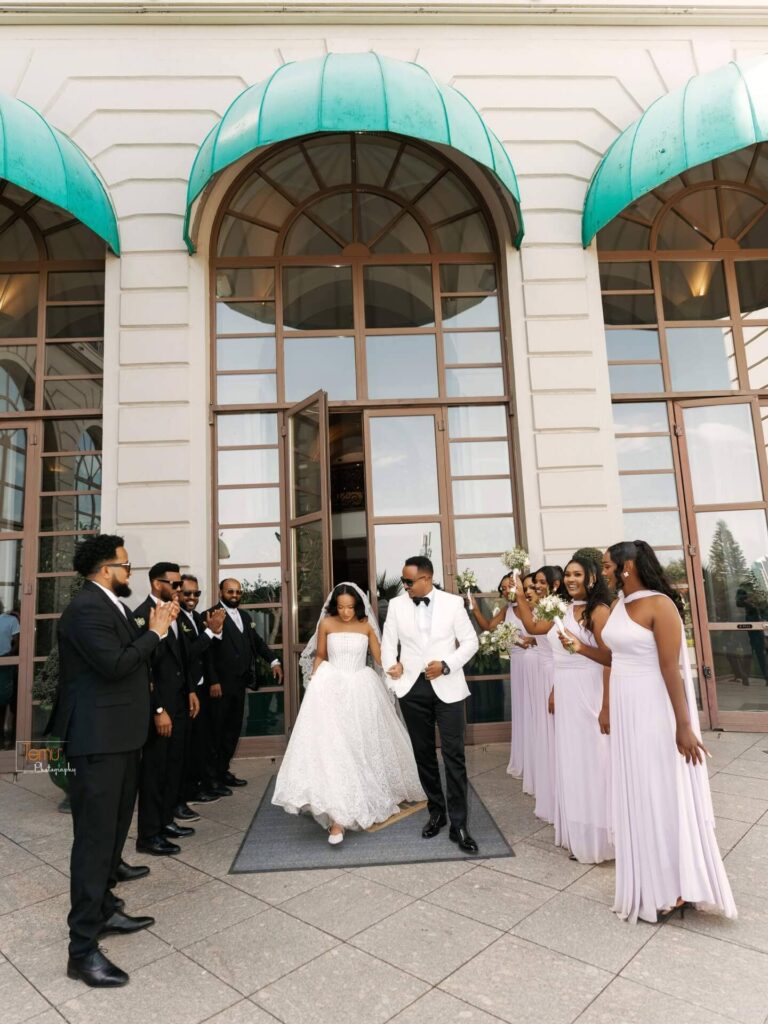
- Welcome guests with your grand entrance.
- Enjoy dinner and traditional Ethiopian dishes with family and friends.
- Share speeches, blessings, and messages from loved ones.
- Celebrate through music, dancing, and cultural traditions.
- Create memories with the people who travelled, supported, and celebrated with you.
Remember, the small things that may not go exactly as planned are rarely what guests remember. What they will remember is the happiness, love, and connection they experienced with you.
The Day After
Don’t forget these important tasks
After the excitement, emotions, and celebrations of your wedding day, the day after is a chance to slow down and take care of the final details. While you may be ready to relax and enjoy your new chapter, there are still a few important things to wrap up before fully moving on to married life.
Your checklist for this day
- Thank your guests, family members, and everyone who helped make your wedding celebration special.
- Return any rented items, including decorations, furniture, attire, or equipment.
- Complete any outstanding vendor payments and confirm that all financial obligations are settled.
- Store and preserve your wedding dress and important wedding items properly.
- Collect your wedding photos, videos, and any personal items from vendors or the venue.
- Take time to rest and recover after the celebrations.
- Begin your honeymoon or enjoy some quiet time together as newlyweds.

Wedding Planning Tips for Ethiopians Living Abroad
Planning an Ethiopian wedding from another country comes with its own set of challenges. Beyond choosing outfits and booking venues, you also have to think about travel, documents, time differences, payments, and coordinating people on the ground in Ethiopia.
With the right preparation, planning from abroad does not have to feel overwhelming. The key is to start early, stay organized, and have reliable people who can support you throughout the process.
Travel timeline
Do not wait until the last minute to plan your trip to Ethiopia. Consider when you need to arrive, how long you need to stay before the wedding, and whether you need extra time for family meetings, traditional ceremonies, legal processes, or final preparations.
Power of attorney if needed
If you cannot be physically present for certain legal or administrative matters, explore whether a trusted person can represent you where necessary. Make sure you understand the requirements before giving someone this responsibility.
Managing vendors remotely
Communicating with vendors from another country requires organization. Keep contracts, payment records, contact details, and important conversations in one place. Regular check-ins with your vendors or a trusted coordinator can help prevent misunderstandings.
Currency and payments
Plan how you will handle payments, especially if you earn and save money in another currency. Consider exchange rates, transfer fees, payment timelines, and how vendors prefer to receive payments in Ethiopia.
Visiting Ethiopia before the wedding
If possible, visit Ethiopia before your wedding day. A trip several months ahead allows you to meet vendors, visit venues, spend time with family, complete important preparations, and make decisions more confidently.
Working with local family members
Family support can make planning much easier, especially when you are abroad. Choose trusted people who understand your vision and can help with local decisions without creating unnecessary confusion.
Using a wedding website to keep guests informed
A wedding website can make communication much easier for guests in different countries. You can share your wedding schedule, venue details, travel information, accommodation options, frequently asked questions, and updates in one place instead of answering the same questions repeatedly.
Planning a wedding from abroad requires extra coordination, but with enough preparation and the right support system, you can still create a meaningful Ethiopian wedding experience that brings both families together.
Common Wedding Planning Mistakes to Avoid
Even with a detailed checklist, wedding planning can become stressful when important details are overlooked. Ethiopian weddings often involve multiple celebrations, family members, traditions, and moving parts, which means small mistakes can quickly create unnecessary pressure.
Knowing the common challenges ahead of time allows you to prepare better, make smarter decisions, and enjoy the journey instead of constantly putting out fires.
Booking vendors too late
Popular venues and experienced vendors can become unavailable, especially during busy wedding seasons. Waiting too long may leave you with fewer options or force you to compromise on services that matter most to you.
Ignoring family expectations
Ethiopian weddings often bring two families together, and traditions can carry deep meaning. Have honest conversations early about expectations, responsibilities, and which customs are important to include.
Underestimating the budget
Wedding expenses can add up quickly, especially when combining traditional ceremonies, guest numbers, attire, food, and entertainment. Create a realistic budget and leave room for unexpected costs.
Not having contingency plans
Things do not always go exactly as planned. Weather changes, delays happen, and unexpected situations can arise. Having backup options for important parts of the wedding can help you stay calm when challenges come up.
Forgetting legal documents
Do not leave legal requirements until the last minute. Whether you are having a civil marriage, religious ceremony, or marrying from abroad, make sure all necessary documents and approvals are prepared on time.
Not confirming vendors
A booking is not the end of the conversation. Confirm dates, arrival times, services, and payment details with every vendor before the wedding to avoid confusion on the big day.
Trying to do everything alone
Planning a wedding is a major responsibility, and trying to handle every detail yourself can quickly become exhausting. Involve your partner, family, trusted friends, or a wedding planner so you can focus on enjoying the experience.

Final Thoughts
Planning an Ethiopian wedding is a beautiful journey, but it can also feel overwhelming when there are many traditions, decisions, and people involved. The goal is not to create a perfect wedding where nothing goes wrong. It is to prepare well enough that you can focus on what truly matters: celebrating your love and the beginning of your life together.
This 12-month Ethiopian wedding planning checklist is designed to help you take things one step at a time, from deciding your vision and involving your families to preparing for Shimagelay, Telosh, the ceremony, reception, and Mels. With a clear plan, you can reduce stress and enjoy each stage of the experience.
Whether you are planning your wedding in Ethiopia or from abroad, remember that the most memorable weddings are not only about the decorations, outfits, or celebrations. They are about the people, traditions, and moments that bring two families together. Plan ahead, stay organized, and allow yourself to enjoy the journey.