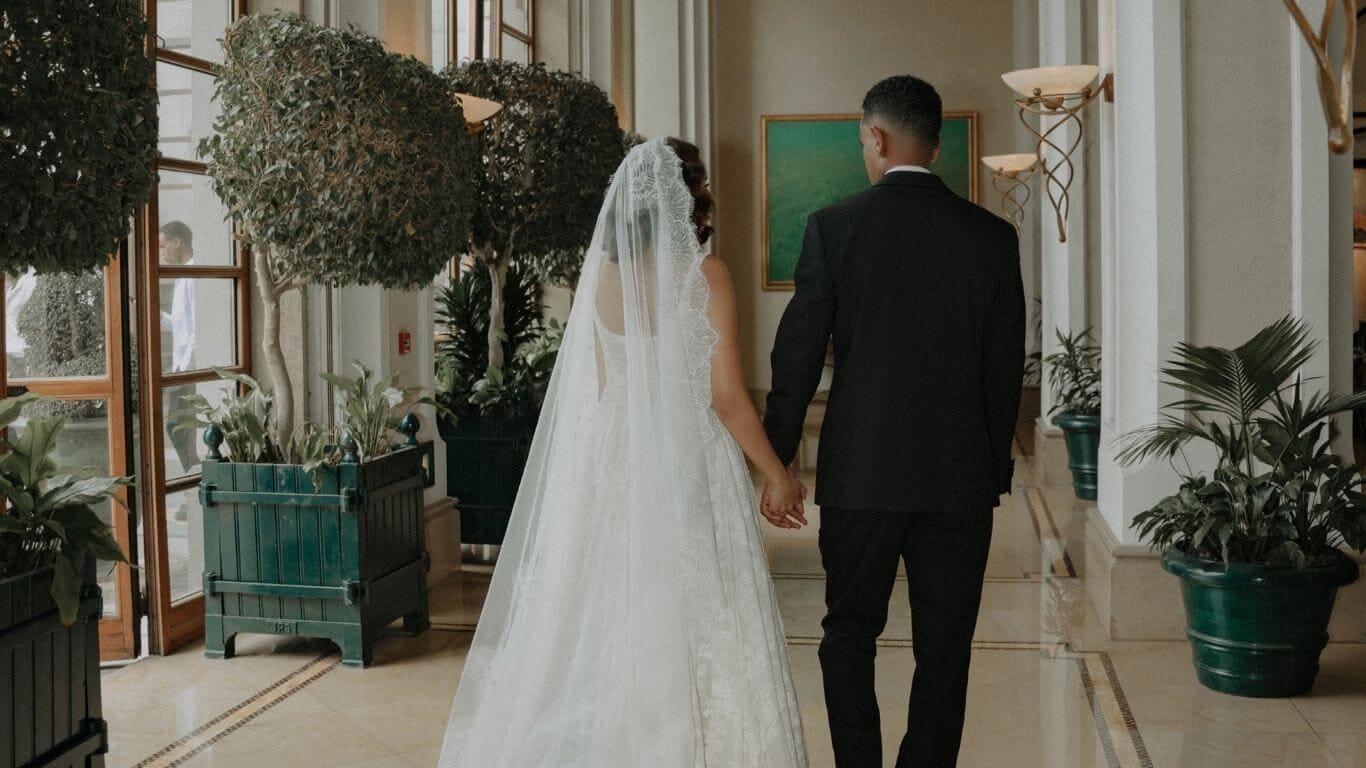
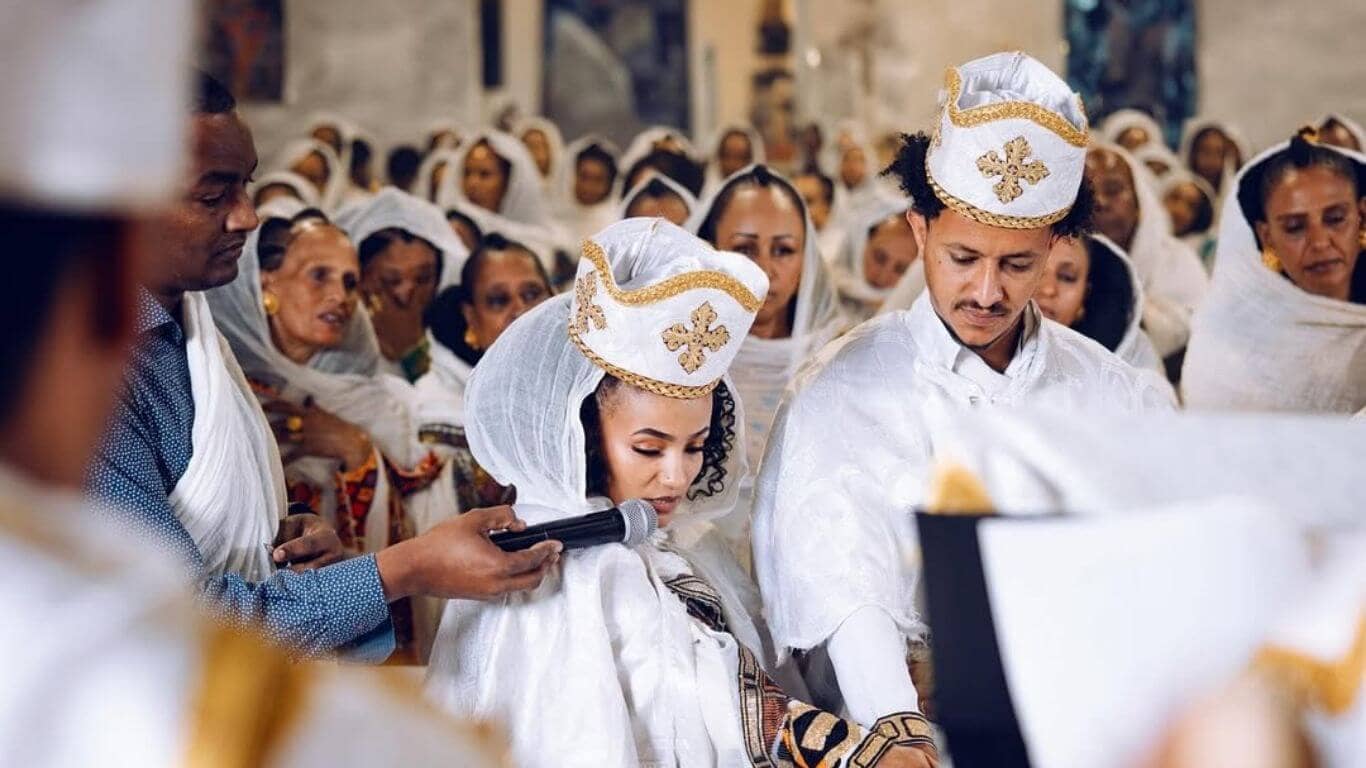
Traditional marriage in Ethiopia varies across ethnic groups but often follows a similar process. From Shimagelay and Telosh to wedding celebrations and Mels, here’s how a typical marriage unfolds.
Marriage in Ethiopia is rarely just about two people deciding to be together. Even before anything becomes formal, there is usually a sense that families, background, and intention will eventually matter.
Think of a man who has already met someone special. They’ve spent time talking, understood each other, and slowly reached that quiet moment where both know this could become something serious. It’s no longer casual, and it’s no longer just discovery. It’s direction.
At that point, the relationship stops being only emotional and starts becoming intentional. There is usually a conversation, sometimes direct, sometimes subtle, where the idea of “taking things further” is accepted by both sides.
For someone outside Ethiopia, this is often where reality sets in. It’s not just about continuing the relationship; it becomes about preparing for what comes next, meeting family, respecting tradition, and understanding that love here usually moves with structure, not speed.
From this point on, the story shifts. It moves from the couple themselves to the people around them who will shape whether this union moves forward.
How Traditional Marriage in Ethiopia Usually Begins
Before anything formal happens, there is a quiet phase where both families start to become aware of what is unfolding.
It often begins in a very modern way today. Messages, calls, or social media make it easier for families to slowly hear about the person in their daughter’s life or in their son’s life. Nothing is official yet, but names start coming up more often in conversation.
At some point, there is usually a direct acknowledgment from the man to his own family. He makes it known that this is not just a relationship, but someone he is serious about. The same can happen on the woman’s side, where she begins to speak more openly about him and what he represents in her life. This is the first real signal that things are moving beyond privacy.
From there, families start to take a quiet interest. Not in a formal meeting yet, but in observation. They may ask questions, request background details, or simply begin to understand who this person is. It’s less about approval at this stage and more about awareness.
In many Ethiopian households, this is also the moment where the relationship begins to be treated differently. The man is no longer just “someone she knows,” and the woman is no longer just “someone he is dating.” There is a shift in how both sides are perceived.
Eventually, once both families and the couple feel that the direction is right, a decision is made to move into the traditional process. That decision is important because it marks the end of informal understanding and the beginning of structured steps that lead to Shimagelay and everything that follows.
Step 1: Shimagelay (Elders’ Mediation and Proposal Visit)
This is the first real moment where the relationship leaves the private world of the couple and enters the hands of the family. In Ethiopian tradition, marriage doesn’t begin with a proposal between two people alone. It begins with elders.
On a chosen day, respected elders from the groom’s side make their way to the bride’s family home. They don’t come casually. They come as representatives, carrying the intention of their son and his family. The bride is usually not present at this stage. This meeting is strictly between families.
Once welcomed in, the elders formally state their purpose. They explain who they are, why they have come, and make a clear request for marriage. From there, the conversation opens up, but in a very structured way. The bride’s family listens carefully as the groom’s background is presented, his character described, and his readiness for marriage explained.
What follows is less like a simple discussion and more like a measured evaluation. Families talk about values, upbringing, responsibility, and intention. In many cases, especially where language differences exist, an interpreter may be involved to make sure nothing is lost in meaning. The focus is always clarity and respect.
In some homes, this conversation is not only spoken about. Coffee is prepared, sometimes food is shared, and the atmosphere stays formal but warm. These small rituals matter. They soften the negotiation without reducing its seriousness. Still, even in this warmth, nothing is rushed. The bride’s family may take time before giving any response, and that pause is part of the tradition itself.
At the heart of Shimagelay is respect. The groom is not present, but his name, character, and future are being carefully discussed in his absence. It is here that first impressions are truly formed, not through appearance or emotion, but through reputation, intention, and the way his family presents him.
By the end of this stage, nothing is final yet. But something important has already happened: both families have officially entered dialogue. And once that door is opened, the process toward marriage has truly begun.
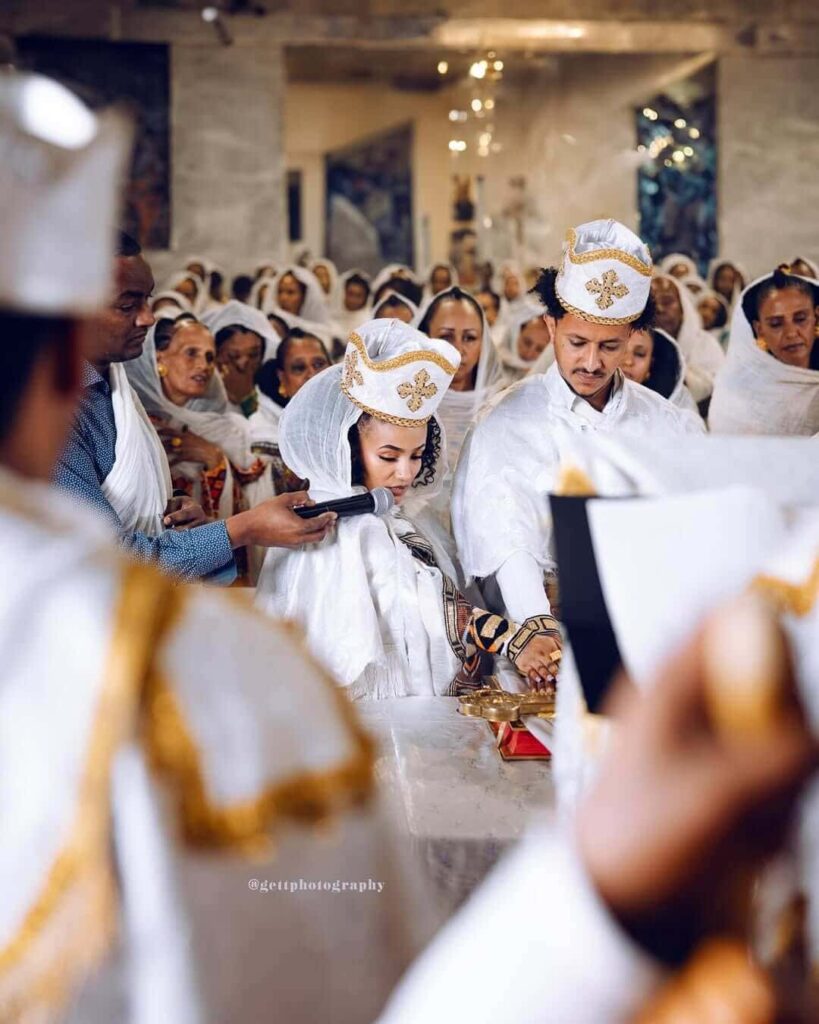
Step 2: Family Negotiations and Agreement
If Shimagelay is the opening conversation, this stage is where things start to settle into a direction. It’s no longer just about introductions or intentions. Now, both families begin shaping what the marriage will actually look like in practice.
This step doesn’t always follow a fixed timeline. In some cases, it happens immediately after Shimagelay. In others, families take time and return for another meeting days or even weeks later. The rhythm depends on the families involved, their customs, and how complex the discussions become.
At the center of this stage is agreement. The bride’s and groom’s families begin aligning on expectations, responsibilities, and readiness. What each side brings into the marriage is discussed clearly and respectfully. This is also where important cultural expectations may come up, including what the groom’s family is expected to provide. In some communities, this is presented more directly, while in others it is handled more subtly through elders.
Even when there are discussions around gifts or traditional contributions, it’s rarely just transactional. It’s framed around respect, commitment, and the seriousness of joining two families. In some cases, symbolic exchanges may take place as a sign that both sides are moving toward agreement.
There is also variation depending on region and faith. Some communities involve a larger circle of elders, especially among groups like the Amhara, Oromo, and Tigray, where elder participation can shape how formal or extended the process becomes. In some Muslim families, religious leaders may also be part of these early discussions, adding another layer of guidance to the process.
Throughout all of this, the bride is still usually not present. These conversations are handled between families and elders, reflecting the idea that marriage is being built collectively before it is presented as a finalized union.
By the end of this stage, something important has quietly happened. The tone has shifted from “we are discussing a possible marriage” to “we are working toward agreement.” And once that understanding is reached, the process naturally moves toward the more visible and celebratory steps that follow.
Step 3: Telosh (Gift Presentation and Formal Engagement Event)
By the time Telosh arrives, the conversation between families has already moved past negotiation. What remains is confirmation. This is the moment where intention becomes visible, and both sides publicly acknowledge that a marriage is taking shape.
The groom’s family arrives at the bride’s home carrying gifts that were previously discussed during Shimagelay and the following negotiations. Nothing here is random. The items usually reflect what both families already agreed upon, whether that includes clothing, jewelry, perfumes, household items, or, in some cases, livestock like sheep or cattle, depending on tradition and region. For foreign grooms, it often takes a more practical form, but the idea remains the same: showing commitment through agreed offerings.
The atmosphere is very different from earlier meetings. This time, the bride is present, and so are more members of both families. There is music, conversation, and a sense of celebration building in the background. As gifts are presented, there is often applause, laughter, and moments of playful teasing between families. It’s formal, but it is not stiff.
In many homes, this becomes almost like a pre-wedding celebration. Guests also bring their own small gifts, adding to the sense of collective participation. Traditional coffee is served, food is shared, and elders continue to give blessings as the gathering unfolds.
What makes Telosh important are not just the gifts themselves but also what they represent. This is the public confirmation that both families are aligned. The relationship is no longer private or theoretical. It is now acknowledged, supported, and moving toward completion.
By the end of this stage, there is clarity. Everyone understands that the union is happening. From here, attention naturally shifts toward preparation for the wedding day itself.
Step 4: Preparation for the Wedding
Once Telosh is complete, things start to shift from celebration into planning. The energy changes. Families are no longer negotiating or confirming intentions; they are now preparing for the actual day the marriage will be witnessed by everyone.
The first step is usually setting a wedding date. This alone can take coordination between both families, elders, and sometimes religious leaders, depending on the type of ceremony involved. Once the date is fixed, everything else begins to align around it.
If the couple includes a civil registration, this is also the stage where legal steps are handled. In many cases, couples will register the marriage officially before or alongside the religious or traditional ceremony, depending on how they choose to structure their wedding.
From there, attention moves to the ceremony itself. Families decide whether the main event will be church-based, mosque-based, or rooted in traditional customs, or sometimes a combination of all three. Each choice shapes how the rest of the planning unfolds.
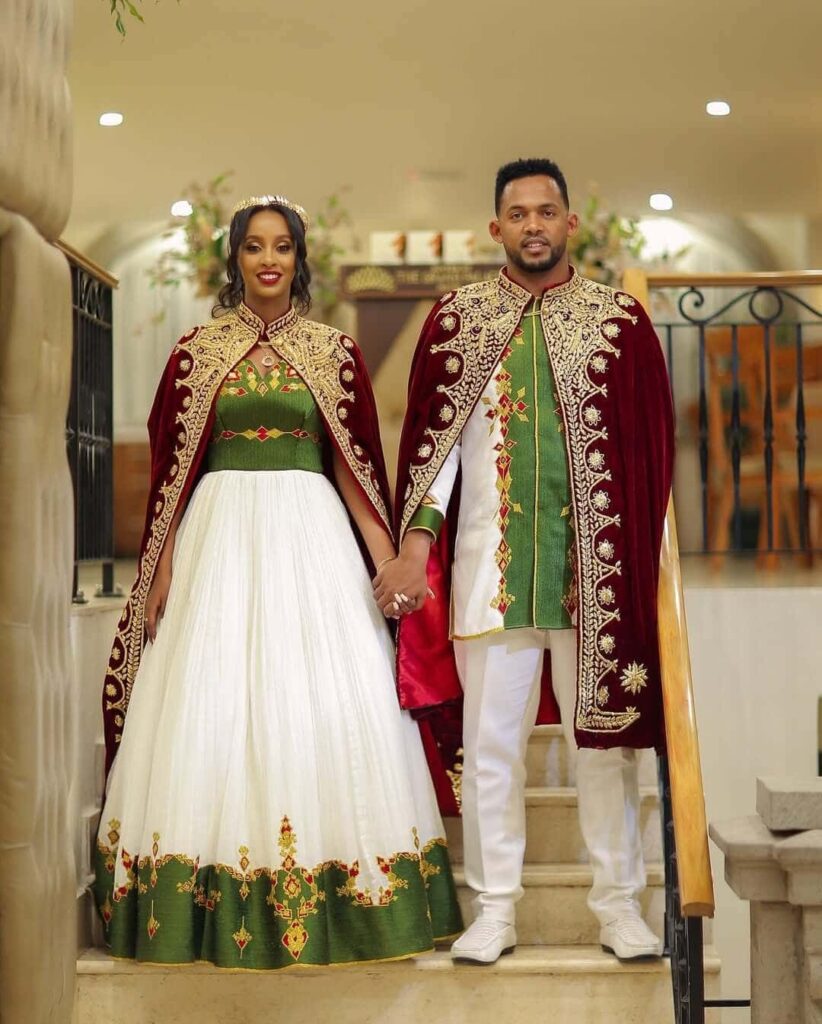
At the same time, preparations for attire begin. The bride selects her dress, often a Habesha kemis or a modern white gown, sometimes both, across different events. The groom prepares his outfit as well, which may include a suit, traditional garments, or a mix depending on the ceremony. Ethiopia is known for skilled designers who blend modern wedding fashion with deep cultural detail, and this stage often becomes one of the most visually exciting parts of the journey.
Behind the scenes, families also start organizing guests, food, venues, and responsibilities. Who hosts, who speaks, who supports, and what part of the ceremony all get quietly mapped out. It is a coordinated effort, not just a personal event.
This stage can stretch over weeks or even months. It sits between tradition and celebration, where everything that has been agreed upon is now carefully turned into a real event that will bring both families together in full view.
Step 5: Pre-Wedding Rituals (Regional Variations Included)
As the wedding day gets closer, things slow down again, but in a more reflective way. This is the final stretch before everything becomes a public celebration. Families are no longer planning big decisions; instead, they are focusing on blessings, preparation, and spiritual readiness.
In many households, this stage begins with final family blessings. Elders speak over the couple, offering advice, prayers, and encouragement for the life ahead. It’s a moment that carries emotional weight, because it feels like a quiet pause before the energy of the wedding begins.
Depending on faith and region, religious preparation also becomes part of this stage. Some couples engage in prayer, fasting, or church and mosque-related preparations depending on their background. It’s not uniform across the country, but the intention is the same: entering marriage with clarity and spiritual grounding.
In some communities, additional rituals are included. There may be one more visit from the groom’s side, often led by close family members or elders, reinforcing respect and finalizing informal expectations. Small private gatherings may also happen, where families meet in a calmer setting to confirm that everything is still aligned before the big day.
At this point, everything feels settled. There are no more negotiations or major decisions left. Just quiet preparation, respect between families, and a sense that the journey has reached its final turn before the ceremony itself begins.
Step 6: The Wedding Day Ceremony
This is the day everything builds up to. After all the meetings, negotiations, and preparations, the marriage finally moves into full public view. What was once discussed in private between families is now witnessed by relatives, elders, and the wider community.
The day usually begins in two places at once. At the groom’s home, he prepares with his groomsmen, surrounded by family and a quiet sense of anticipation. At the bride’s home, bridesmaids gather around her as she gets ready, while elders and close relatives begin arriving. Both sides understand that by the end of the day, nothing will remain the same.
When the groom and his group arrive at the bride’s home, the atmosphere shifts into celebration. In many traditions, there is a playful “resistance” at the door, often expressed through song and teasing, as those inside jokingly say they will not easily release the bride. The groom and his party respond in the same spirit, turning what could be tense into something joyful and full of energy.
Eventually, the groom is allowed inside. He meets the bride and presents her with flowers or a symbolic gift. It is a simple but meaningful moment, often marked with emotion rather than long speeches. After this, both families prepare to move together toward the main ceremony location.
On the way, there is usually a procession. Cars decorated with flowers move together, music plays, and people sing as they head toward the ceremony venue. Photographers capture everything along the route, from laughter in the cars to moments of quiet excitement. Sometimes the group stops at a park or scenic area for photos, turning the journey itself into part of the celebration.
Once they arrive at the main venue, the tone becomes more ceremonial. One of the most respected traditions in some Orthodox and regional customs is the gesture of deep respect toward elders, including kneeling and bowing to receive blessings. Grandparents and elders are often seated at the entrance, dressed in traditional clothing, and the couple approaches them to receive prayers for health, stability, and a strong future together.
After this moment of blessing, the couple enters the hall as husband and wife in the eyes of the community. Depending on the family’s faith, this may be followed by a church service, a mosque ceremony, or another cultural ritual where vows, rings, or symbolic acts confirm the union.
By the end of this stage, the marriage is no longer a plan or agreement. It is official, witnessed, and grounded in both tradition and community approval.
Step 7: Wedding Feast and Celebration (Reception)
After the ceremony, the entire mood shifts into full celebration. This is where everything becomes louder, warmer, and more communal. The formalities are done, and what remains is joy shared with everyone who witnessed the union.
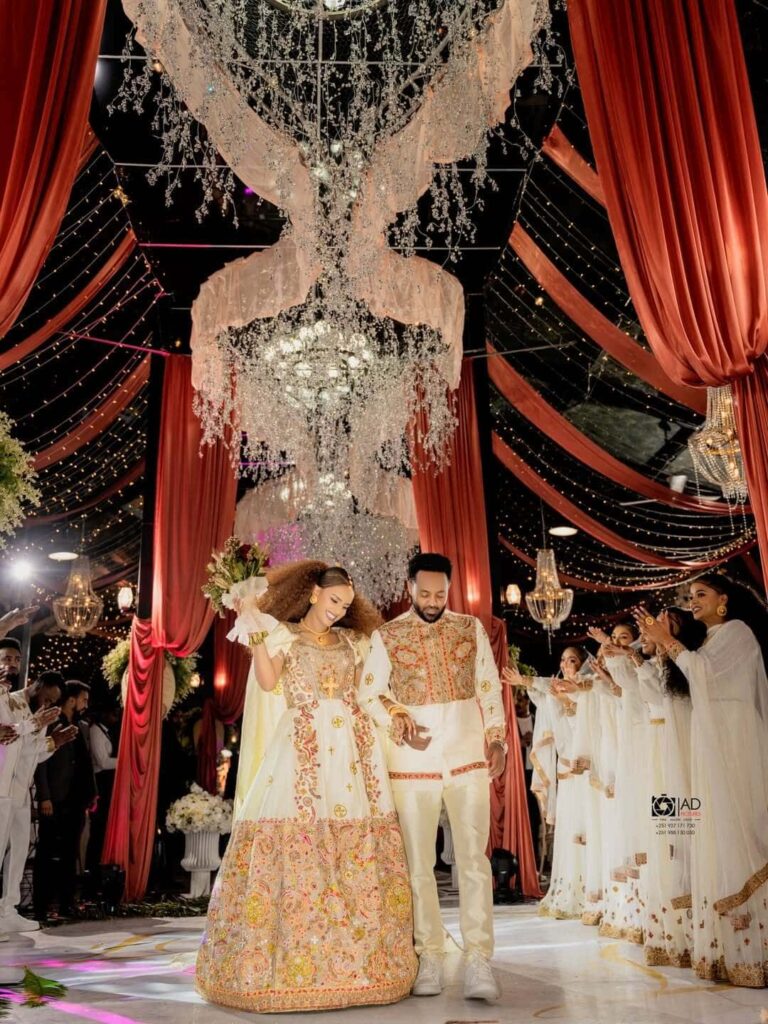
The couple usually enters the reception hall in a guided procession. Flower girls walk ahead, scattering petals along the path, while bridesmaids, groomsmen, and sometimes candle bearers lead the way. Traditional songs fill the space as guests rise to welcome them, creating a moment that feels both ceremonial and deeply festive.
Once inside, the couple is received and seated in a place of honor. From here, the celebration begins in full. Music plays continuously, often with live bands, drums, and traditional instruments. Eskista dancing takes over the floor, with guests moving, clapping, and celebrating in rhythm. The energy is not reserved or quiet; it is expressive and collective.
Food is a central part of this stage. A large communal meal is served, usually starting with the couple, followed by elders, family, and then guests. Traditional dishes like injera and rich stews are shared across tables, reinforcing the idea that this is not just a ceremony but a community gathering. At some point, the tradition of gursha takes place, where guests or the couple feed each other as a sign of love, care, and unity.
Elders also play an important role here. Between meals and music, they step forward to offer public blessings, speaking life, stability, and prosperity over the couple. These moments slow everything down briefly before the celebration picks up again.
In many weddings, the reception also includes additional symbolic moments. The couple may cut a cake together, exchange rings if not done earlier, or share a first dance as husband and wife while guests gather around. It becomes a blend of modern celebration and traditional structure, depending on the family.
As the day continues, the celebration often extends beyond the hall. Some families host additional dinners or gatherings later in the evening, especially at the groom’s home, where close relatives unwind after a long day of events. Laughter, storytelling, and reflection close out the main wedding day, but the celebration is far from over.
By this stage, the marriage is not only official but fully embraced by both families and the wider community.
Step 8: Mels (Post-Wedding Celebration)
The wedding doesn’t really end with the ceremony. In many Ethiopian traditions, the next day has its own rhythm, its own mood, and its own meaning. That’s where Mels comes in. It’s slower, more intimate, and feels like the moment everyone finally breathes after the intensity of the wedding day.
Here, the couple returns in full traditional dress, often wearing handwoven Habesha outfits and a Kaba layered over the shoulders. The energy shifts from a large public celebration to something closer, held mainly with family and a tight circle of friends. It’s still festive, just more grounded.
One of the most memorable parts is the Dabo Sim, where bread is used in a symbolic way as families interact and sometimes playfully agree on a new cultural name for the bride. It’s light-hearted, but it carries meaning. It’s about acceptance, belonging, and officially welcoming her into the new family structure.
Music, dancing, and food continue through the day. Traditional songs play, guests dance Eskista, and conversations stretch for hours. There’s no rush here. It’s a continuation of the celebration, but with a softer tone.
By the end of Mels, what started as a formal union now feels fully settled into family life. The celebration has moved from public declaration to private acceptance, closing the wedding cycle in a way that feels complete.
Step 9: Kelekel (Final Family Gathering)
By the third day, things slow right down. The noise of the wedding has passed, the big crowds are gone, and what remains is something more intimate. Kelekel brings together the closest family members from both sides for a final moment of unity before everything returns to normal life.
This is where extended families finally sit in the same space, not as strangers linked by a wedding, but as relatives beginning a shared bond. Conversations flow more freely, laughter feels softer, and there’s a sense that the two family worlds are now fully connected.
The setting is usually arranged by both families together, depending on what feels appropriate. Food is shared, stories are exchanged, and elders take the lead in offering blessings for the couple’s future. These blessings mark the formal closing of the wedding cycle.
Unlike the earlier celebrations, Kelekel is not about performance or ritual-heavy moments. It’s about presence. People sit, talk, and acknowledge the union in a calm, grounded way that feels almost like a family reset.
By the time it ends, the marriage is no longer something being prepared for or celebrated—it is simply accepted. The couple is fully integrated into both families, and the celebration quietly fades into everyday life.
Step 10: Life after the Wedding
After the celebrations fade, life shifts into something quieter but more lasting. This is where the couple fully steps into married life, no longer defined by ceremonies but by daily routines, responsibilities, and the way they fit into both families.
In most Ethiopian households, marriage doesn’t isolate the couple from their families. Instead, it connects them more deeply. Visits continue, advice is still given, and elders remain present in the background through blessings and guidance. Respect and unity aren’t just ideas from the wedding—they become part of everyday life.
There’s also space for rest. The honeymoon period varies widely depending on means and family expectations. For some, it’s a short break of a week or two. For others, it can stretch longer, sometimes even involving travel outside the country, especially when resources allow.
What follows is a gradual settling in. The excitement of the wedding is replaced by the rhythm of shared life—building a home, making decisions together, and maintaining the balance between independence and strong family ties.
In the end, marriage here isn’t treated as a single event that ends after the ceremony. It’s the beginning of a long integration into family life on both sides, shaped by respect, patience, and continuity.
How Traditions Differ Across Ethiopian Communities
Ethiopia doesn’t have a single way of getting married. Even though the structure of traditional marriage often feels familiar, the details shift depending on religion, ethnicity, and where a family is based. What stays consistent is the importance of family, respect, and formal approval.
In Orthodox Christian communities, weddings tend to follow a structured church-centered process, where religious sacraments and blessings shape the ceremony from start to finish. In Muslim communities, marriage is centered on the Nikah, a contract-based union guided by Islamic teachings, with its own clear religious procedures and community involvement.
Customary marriages vary the most. Different ethnic groups across the country bring their own rituals, from elders negotiating on behalf of families to symbolic exchanges, dances, and local traditions that can change from one region to another. This is where you really see how diverse the country is.
In cities, weddings often feel more blended and modern. Civil registration is commonly added, and ceremonies may be simplified or split across different days. In rural areas, traditions tend to stay more intact, with a stronger emphasis on extended family involvement and community participation.
In reality, many couples don’t stick to just one system. It’s common to see civil registration combined with a religious ceremony and then followed by customary celebrations. Rather than competing, these layers often work together to complete the marriage journey.
Final Thoughts
Marriage in Ethiopia isn’t a single moment or a fixed formula. It unfolds as a layered journey shaped by families, faith, and community, where each step carries meaning beyond the couple themselves.
Across different regions and traditions, the details may shift, but the foundation stays familiar. Elders guide the process, faith gives it structure, and family approval holds everything together. It’s a system built on connection rather than individual choice alone.
There’s no one standard way it all happens. As seen in Ethiopian wedding traditions and customs, or even when comparing different types of marriages in Ethiopia, what stands out is the same idea running through everything: marriage here is never just about two people. It’s about two families becoming one.