An Ethiopian wedding program outline follows the traditional order of events, from shimagelay and telosh to the wedding ceremony, melse, and kelekels. This guide explains each stage in chronological order.
Planning an Ethiopian wedding can feel overwhelming. With multiple ceremonies, family expectations, cultural traditions, and religious requirements to consider, couples need more than just a basic checklist. A well-structured wedding planning checklist and timeline help break everything down, from the early stages of preparation to the final celebrations.
Whether you’re planning in Addis Ababa or from abroad, Ethiopian weddings are multi-day celebrations that require more time, more coordination, and more intention than a standard checklist can hold. Understanding the full journey helps couples prepare for each stage and appreciate the traditions that make the celebration unique.
But planning an Ethiopian wedding is not only about choosing a date, booking vendors, or organizing a reception. It is also about understanding the traditions and customs that give the celebration its meaning. From shimagelay and telosh to family blessings, cultural rituals, and the celebrations that follow, every stage represents the joining of two families and the continuation of generations-old practices.
For many Ethiopian couples, especially those having an Orthodox Tewahedo wedding, the ceremony carries deep spiritual significance. The church service, blessings, vows, crowns, and other religious traditions form an important part of the marriage journey before the celebrations move into the reception and cultural festivities.
To understand how everything comes together, it helps to know the Ethiopian wedding program outline, also known as the order of events. This guide walks through the traditional sequence of an Ethiopian wedding, from shimagelay and telosh to the religious ceremony, reception, melse, and kelekels, so couples and guests know what happens at each stage.
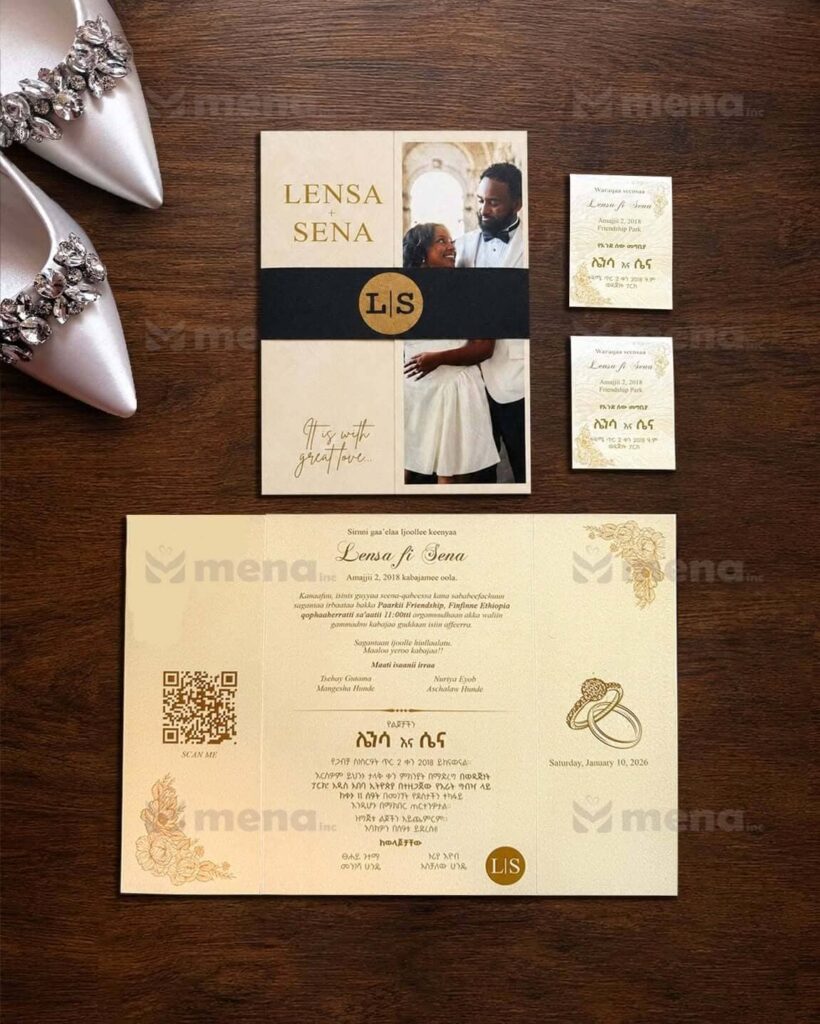
Understanding the Ethiopian Wedding Program
An Ethiopian wedding is rarely just a single-day event. Unlike many modern weddings that focus mainly on the ceremony and reception, Ethiopian weddings often unfold across several stages, bringing together families, religious traditions, and cultural celebrations that may begin weeks or even months before the wedding day.
The exact order of events can vary depending on the couple’s religion, ethnic background, and family traditions. An Ethiopian Orthodox Tewahedo wedding may follow a different structure from a Protestant or Muslim wedding, while cultural traditions among Amhara, Oromo, Tigray, Gurage, and Southern Ethiopian communities may also include their own unique customs and celebrations.
This is why having a clear Ethiopian wedding program outline is important. It helps couples, families, and guests understand how each stage connects, from the early family introductions and traditional ceremonies to the religious service, reception, and post-wedding celebrations. Rather than feeling like a series of separate events, the wedding becomes a meaningful journey where every tradition has its place.
Traditional Ethiopian Wedding Order of Events
Shimagelay (Marriage Negotiation)
Shimagelay is the traditional Ethiopian process where elders from the groom’s family formally approach the bride’s family to begin marriage discussions. The term comes from Shimgilina, a traditional system of mediation and family negotiation where respected elders help guide important decisions between families.
Rather than being just a proposal, shimagelay represents the coming together of two families. The elders play an important role in introducing both sides, discussing expectations, and seeking blessings before the marriage moves forward.
Here’s how a typical shimagelay unfolds:
1. Arrival of the groom’s elders
Elders and representatives from the groom’s family visit the bride’s family home to formally express their intentions and begin discussions about the marriage.
2. Formal introductions between families
Both families introduce themselves, establish a relationship, and create an atmosphere of respect before discussing the marriage itself.
3. Requesting the bride’s hand in marriage
The groom’s family formally asks for the bride’s family’s approval for the union, following traditional customs and showing respect for the bride’s relatives.
4. Family discussions and negotiations
The two families discuss important matters related to the marriage, including expectations, responsibilities, and traditional arrangements, such as a dowry where applicable.
5. Advice and blessings from elders
Elders share wisdom, guidance, and prayers for the couple’s future, emphasizing family unity, commitment, and respect.
6. Celebration meal and gathering
Once discussions are completed, families celebrate the agreement with food, coffee, and conversation, marking the beginning of the wedding journey.
Telosh (Gift Presentation)
Telosh is a traditional Ethiopian and Eritrean pre-wedding ceremony where the groom, his family, and close relatives visit the bride’s family to present gifts as part of the marriage celebration. Often compared to a bridal shower, telosh is a special gathering centered around honoring the bride, strengthening family bonds, and celebrating the upcoming wedding.
The ceremony usually takes place at the bride’s family home or a chosen venue. The groom’s family presents important gifts, traditionally including the wedding dress, jewelry, and other items prepared for the bride. These gifts represent love, commitment, and the groom’s family’s welcome of the bride into their family.
Here’s how a typical telosh unfolds:
1. Arrival of the groom and his family
The groom, his relatives, and close friends arrive at the bride’s home or venue with the gifts prepared for the occasion.
2. Presentation of traditional gifts
The groom presents gifts to the bride, often including her wedding gown, jewelry, and other meaningful items. The moment is usually met with excitement, applause, and celebration from family and guests.
3. Bride acknowledges the gifts
The bride receives the gifts as a symbolic acceptance of the gesture and appreciation for the effort made by the groom and his family.
4. Family celebration and gift-giving
After the main presentation, other guests may also present gifts to the bride. The gathering continues with food, music, dancing, and celebration as both families enjoy the occasion together.
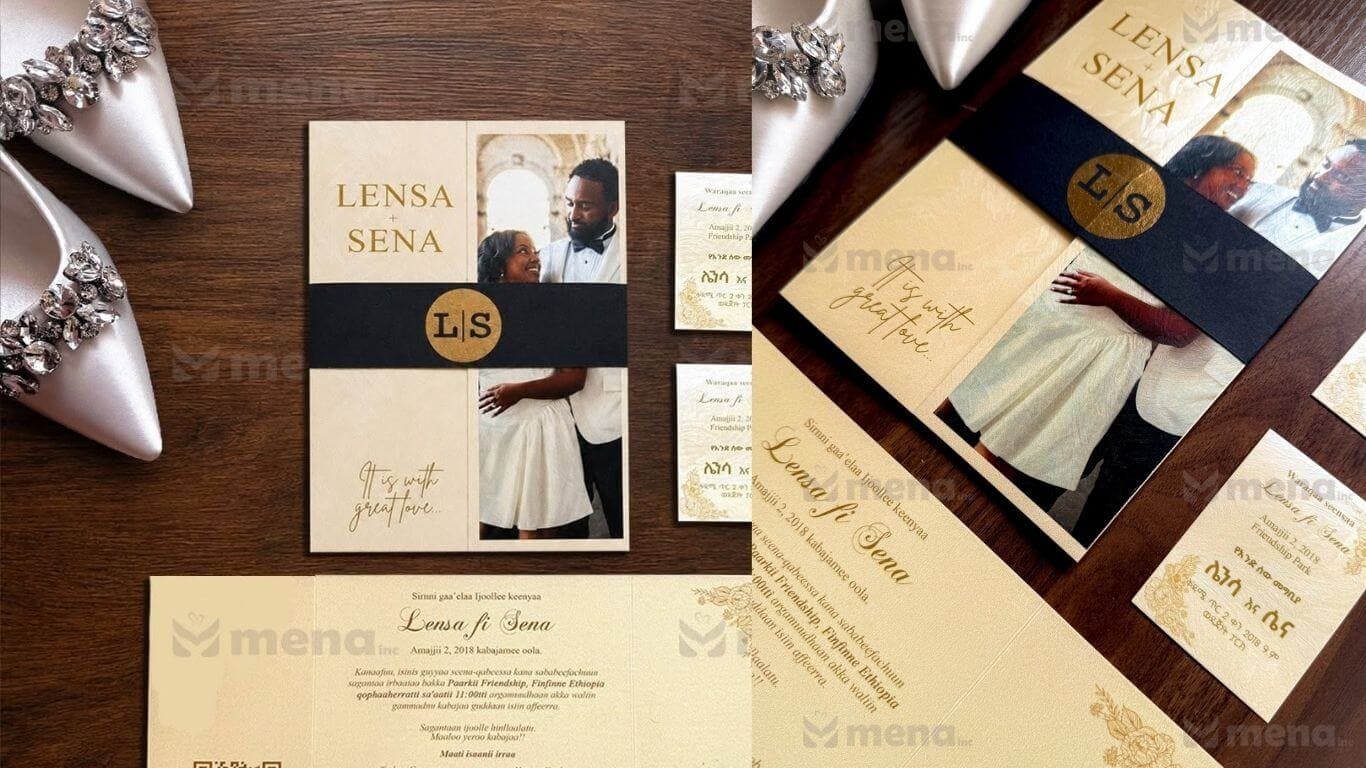
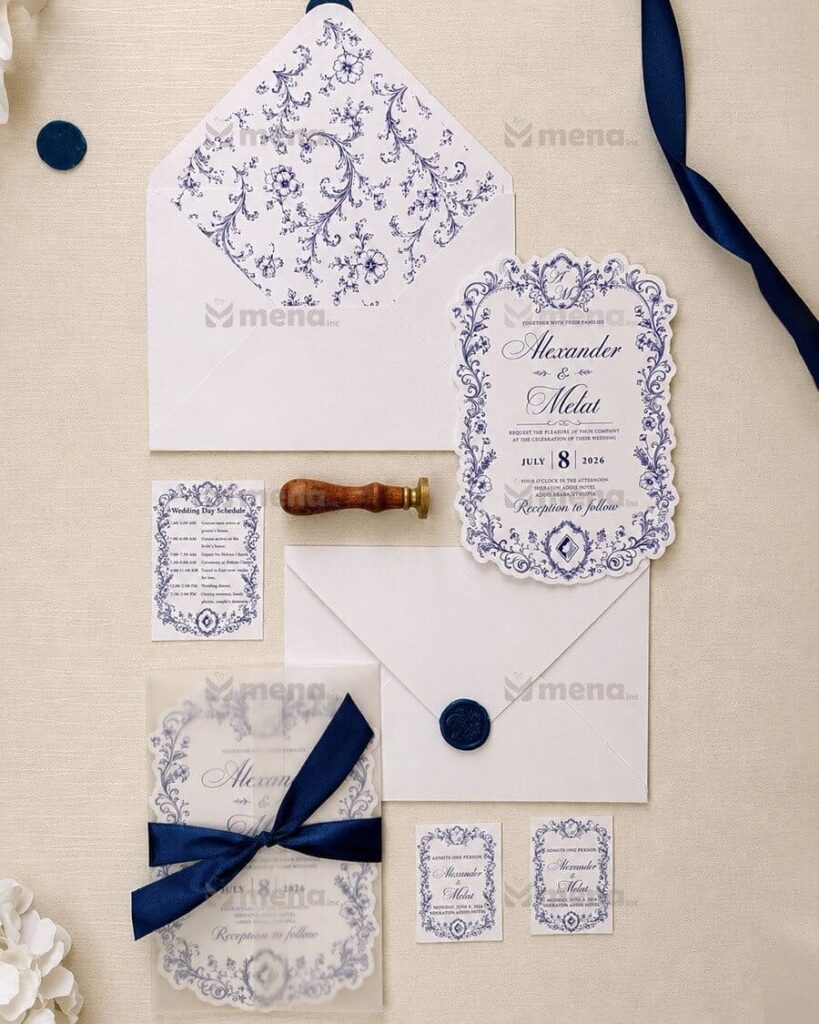
@mena_inc A very big thankyou for each and every one of you! የሰርግ ካርድ ባህላዊ እና ዘመናዊ 0929639939 0942125568 0924148847 ቦሌ ሪያሊቲ ህንፃ 1ኛ ፎቅ 104 #weddingday #habeshawedding #habeshadress #bridalgown #mels ♬ A Thousand Years(舒适版) – Andree Son
Religious or White Wedding Ceremony (Serg)
The religious or white wedding ceremony, often referred to as Serg, is the official marriage ceremony where the couple is united in marriage. The exact order of service depends on the couple’s faith, with ceremonies commonly taking place in an Ethiopian Orthodox Tewahedo church, Protestant or Catholic church, mosque, or before a civil marriage registrar.
Although each denomination follows its own traditions, the purpose remains the same: to celebrate the couple’s union before God, family, and friends. The ceremony is often followed by photography before guests proceed to the wedding reception.
Here’s how a typical Ethiopian religious or white wedding ceremony unfolds:
- Arrival of guests and families
Guests arrive dressed in their finest Habesha attire and take their seats as they prepare to witness the marriage ceremony. - Bridal procession
The groom and his wedding party usually enter first, followed by the bride accompanied by her parents or family members. As the bride enters, guests often stand to welcome and celebrate her arrival. - Opening prayers and blessings
The priest or pastor begins the ceremony with prayers, blessings, and spiritual guidance for the couple’s marriage. - Scripture readings and religious messages
Depending on the denomination, readings and teachings are shared to highlight the importance of love, commitment, and family. - Marriage vows and ring exchange
The couple exchanges vows and rings as a public declaration of their commitment to each other. - Signing of marriage documents
Where required, the couple completes official marriage documents to legally recognize the union. - Recessional and celebration
After the ceremony, the newly married couple exits together as family and friends welcome them with singing, congratulations, and celebration. - Group photographs
The couple usually takes formal photos with their families, bridal party, and guests before moving to the reception or next celebration.
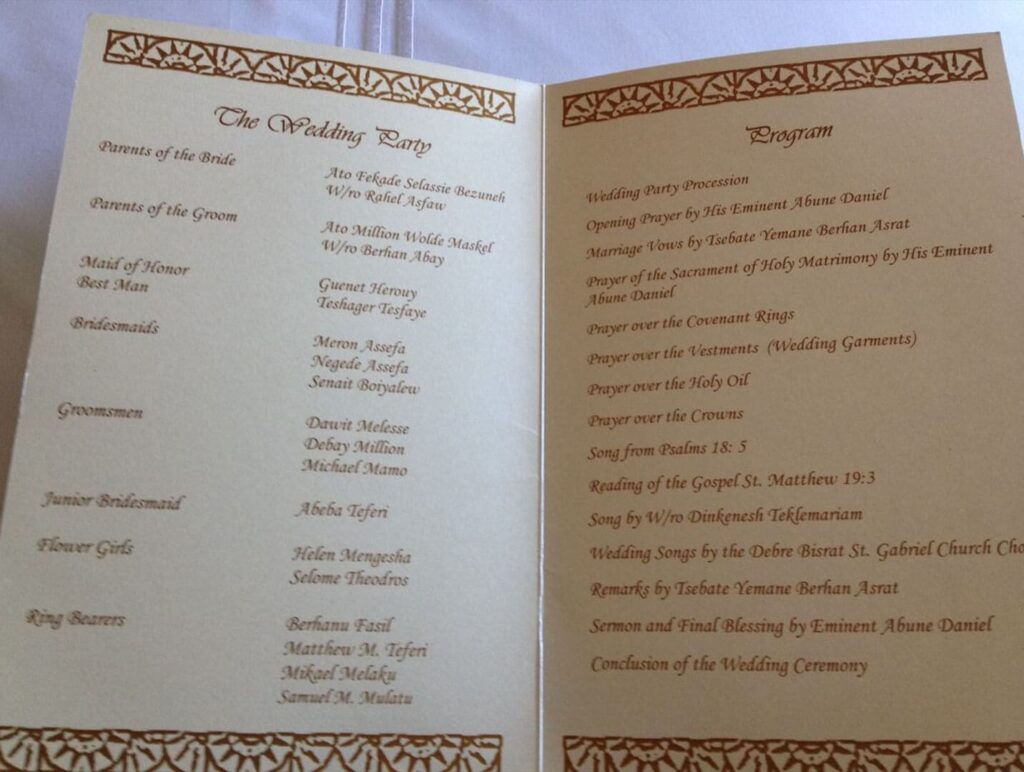
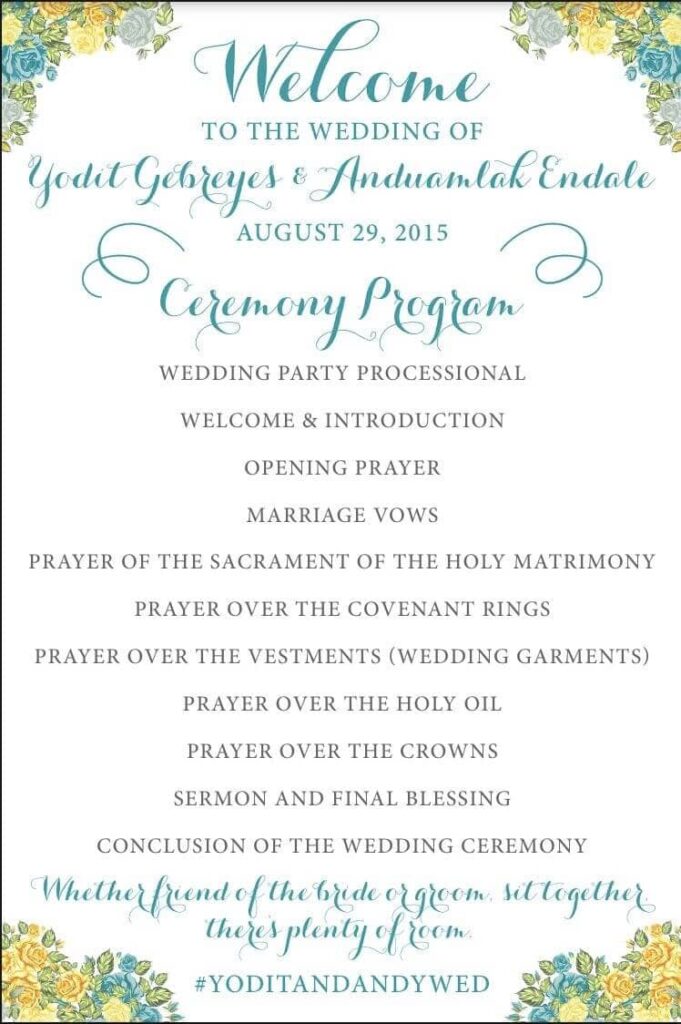
Ethiopian Orthodox Wedding Ceremony Program
An Ethiopian Orthodox Tewahedo wedding follows a sacred liturgical order that has been practiced for centuries. While individual churches may make slight adjustments, the ceremony generally follows this sequence:
- Wedding party processional
The bride, groom, and wedding party enter the church as the ceremony begins. - Welcome and introduction
The priest welcomes the congregation and prepares everyone for the sacrament of Holy Matrimony. - Opening prayer
Prayers are offered for God’s blessing upon the couple and their marriage. - Marriage vows
The bride and groom publicly declare their commitment to one another. - Prayer of the Sacrament of Holy Matrimony
The priest performs the sacred prayers that unite the couple in marriage according to the teachings of the Ethiopian Orthodox Tewahedo Church. - Prayer over the covenant rings
The wedding rings are blessed before or during the exchange. - Prayer over the vestments (wedding garments)
Special prayers are offered over the garments worn by the bride and groom. - Prayer over the holy oil
The holy oil is blessed and used as part of the marriage sacrament. - Prayer over the crowns
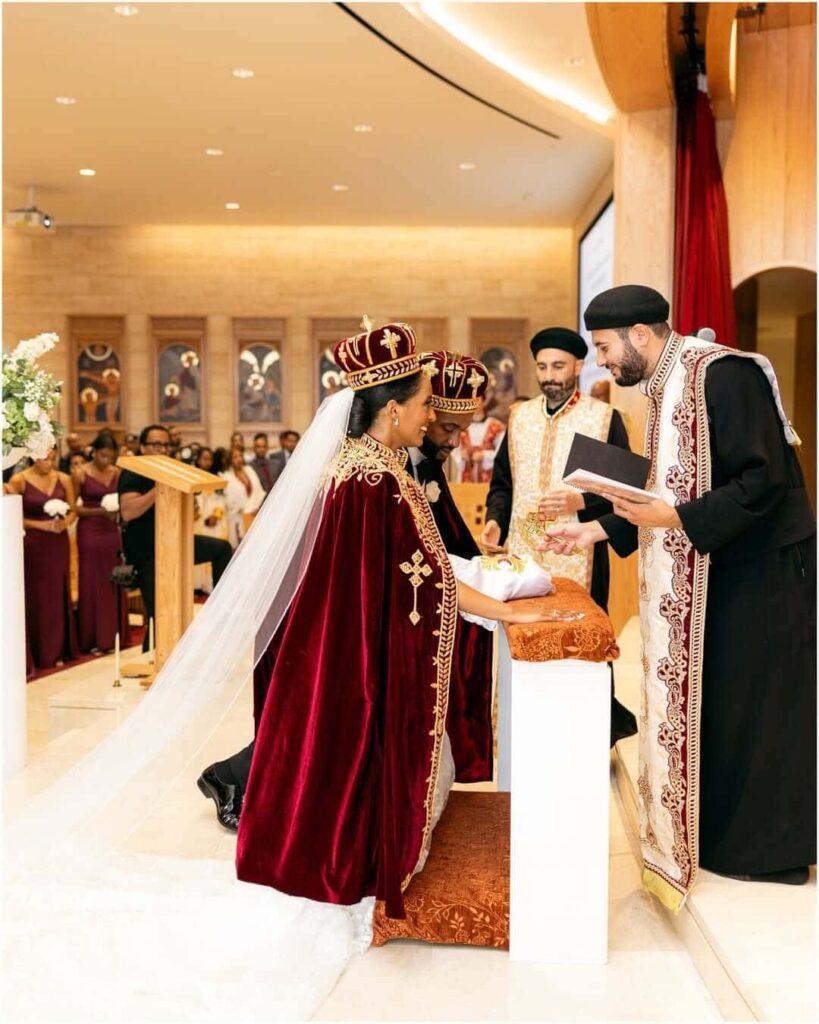
The ceremonial crowns are blessed before being placed upon the bride and groom, symbolizing honor, victory, and the sacred nature of marriage. - Crowning and traditional rituals
In Ethiopian Orthodox Tewahedo ceremonies, the couple may receive crowns and other blessings as part of the sacred marriage ritual. - Psalm and Gospel readings
Scripture readings, including passages from the Psalms and the Gospel, are read to emphasize the spiritual foundation of marriage. - Wedding hymns and songs
Traditional hymns and liturgical songs accompany different parts of the ceremony. - Sermon and final blessing
The priest delivers a message on marriage and concludes with prayers and blessings for the newlyweds. - Conclusion of the wedding ceremony
The ceremony officially ends, and the newly married couple leaves the church to celebrate with family and friends.
Wedding Reception (Kela)
The wedding reception, often known as Kela, is where the celebration truly comes alive. After the formal ceremony, families and guests gather for a lively celebration filled with music, food, dancing, and traditions that bring everyone together.
While the exact program can vary depending on the couple’s region, religion, and family customs, Ethiopian wedding receptions are known for their energy and sense of community. From the couple’s grand entrance to traditional dances and shared meals, every moment is designed to celebrate the new union.
Here’s how a typical Ethiopian wedding reception unfolds:
- Grand entrance of the couple
The newlyweds usually enter the reception venue together with a special song, often accompanied by singing, applause, and dancing from guests. Traditional Amharic music may be played during the entrance, depending on the family’s preference. - Welcome remarks and opening prayer
The program begins with welcoming words from the hosts or family members, followed by prayers or blessings to celebrate the couple’s marriage. - Dinner and traditional Ethiopian dishes
Guests enjoy a feast featuring popular Ethiopian foods such as injera, doro wat, kitfo, tibs, rice, sambusa, and other regional dishes. Food plays an important role in Ethiopian celebrations, representing hospitality and togetherness. - Speeches and family blessings
Family members, elders, and close friends share advice, blessings, and messages for the couple as they begin their married life. - Cake cutting and couple traditions
The couple may cut their wedding cake and take part in other modern wedding traditions alongside Ethiopian customs. - Gursha tradition
The bride and groom feed each other by hand as a symbol of love, care, and sharing. Guests may also participate in the tradition as a gesture of celebration and connection. - Traditional dances and music
Music and dancing are central parts of Ethiopian wedding receptions. Depending on the couple’s cultural background, guests may enjoy dances such as Eskista among Amhara communities or Shagoyee in some Oromo celebrations. - Modern dancing and closing remarks
After traditional performances, the celebration often continues with modern music and dancing before the event concludes with final words of appreciation from the couple or their families.
Melse (Post-Wedding Celebration)
The celebrations do not always end after the wedding reception. In many Ethiopian weddings, the couple and their families continue the festivities with Melse, a special post-wedding gathering held after the main wedding day.
Unlike the larger reception, Melse is usually a more intimate celebration reserved for close family and friends. It is often hosted by the bride’s family and gives both families another opportunity to celebrate the marriage, share blessings, and honor the traditions surrounding the couple’s new life together.
Here’s how a typical Melse unfolds:
- Traditional attire and cultural display
The bride and groom wear traditional Ethiopian clothing, often including a beautifully embroidered Kaba (traditional cape) with gold or silver details. Family members and guests may also dress in Habesha attire, creating a celebration filled with cultural pride. - Arrival with music and dancing
The couple and bridal party are welcomed with traditional songs, dancing, and celebrations as they arrive at the Melse gathering. - Family blessings and advice from elders
Elders and family members share wisdom, prayers, and encouragement for the couple as they begin their married life together. - Bread-cutting ceremony and bride’s nickname
In some traditions, the bride’s mother presents a special nickname for the bride during a bread-cutting ceremony. This name becomes a memorable part of the wedding celebration and symbolizes the bride’s new chapter with her family and in-laws. - Feasting and continued celebration
The gathering continues with traditional food, coffee, music, and conversation as families enjoy one final celebration of the marriage.
Melse represents more than an additional party after the wedding. It is a moment where families come together, traditions are passed on, and the couple is surrounded by the people who will support them throughout their marriage.
@mahi_do3 👑 Royalty Energy 👑 💚💛❤️ #Melse #EthiopianBride #ForTheCulture ♬ original sound – mahi_do3
Kelekels (Final Celebration)
The Ethiopian wedding journey may continue beyond the main ceremony and Melse with Kelekels, a final gathering that brings the extended family and community together to close the wedding celebrations.
The word Kelekels refers to coming together or mixing, reflecting the purpose of this gathering: allowing relatives and loved ones who may have missed the earlier celebrations to join, celebrate, and connect with both families.
Here’s how a typical Kelekels unfolds:
- Final family gathering
The parents of the newlyweds agree on a location where relatives, friends, and extended family members can come together for one final celebration. - Farewell meal and family connection
Guests share food, conversation, and time together, allowing family members to meet, reconnect, and strengthen relationships formed throughout the wedding celebrations. - Final blessings from parents and elders
Towards the end of the gathering, parents offer their blessings, congratulations, and words of encouragement to the newly married couple as they begin their life together. - Closing of the wedding festivities
Kelekels marks the end of the wedding journey, bringing the days of celebration, traditions, and family gatherings to a meaningful close.
For many families, Kelekels is not only the final event of the wedding but also a reminder that Ethiopian weddings are about more than the couple alone. They are a celebration of two families becoming one and a chance for the wider community to share in that joy.
Final Thoughts
An Ethiopian wedding is a journey made up of meaningful moments, not just a single day of celebration. From the family discussions of shimagelay and the gift-giving tradition of telosh to the religious ceremony, reception, melse, and kelekels, each stage plays a role in bringing two families together.
While the exact order of events may differ depending on religion, region, and family traditions, understanding the Ethiopian wedding program outline helps couples and guests appreciate the purpose behind each celebration. It provides a clearer picture of how these traditions connect and why they continue to hold such importance.
Whether you are planning your own Ethiopian wedding, attending one, or learning about Ethiopian culture, knowing the order of events makes the experience more meaningful. Behind every ceremony, meal, blessing, and celebration is a story of family, heritage, and the beginning of a new chapter.