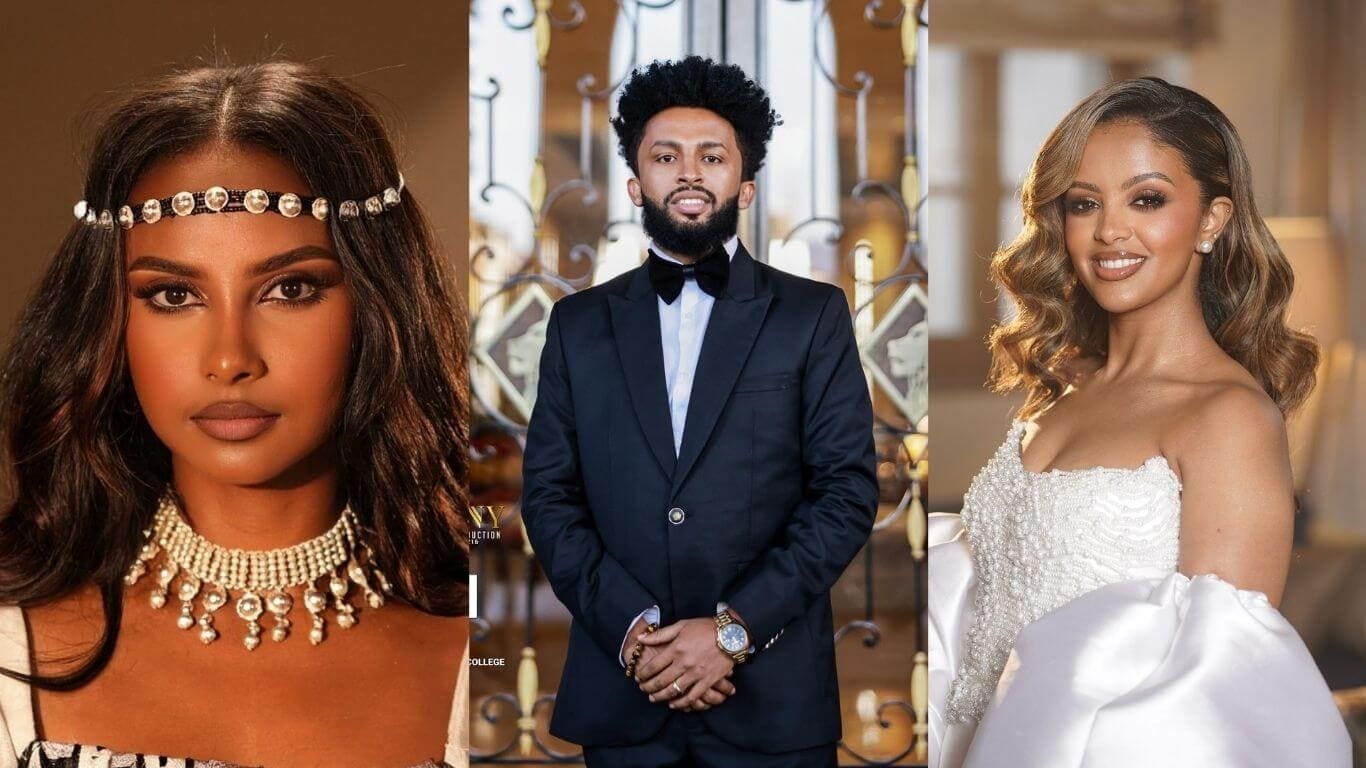
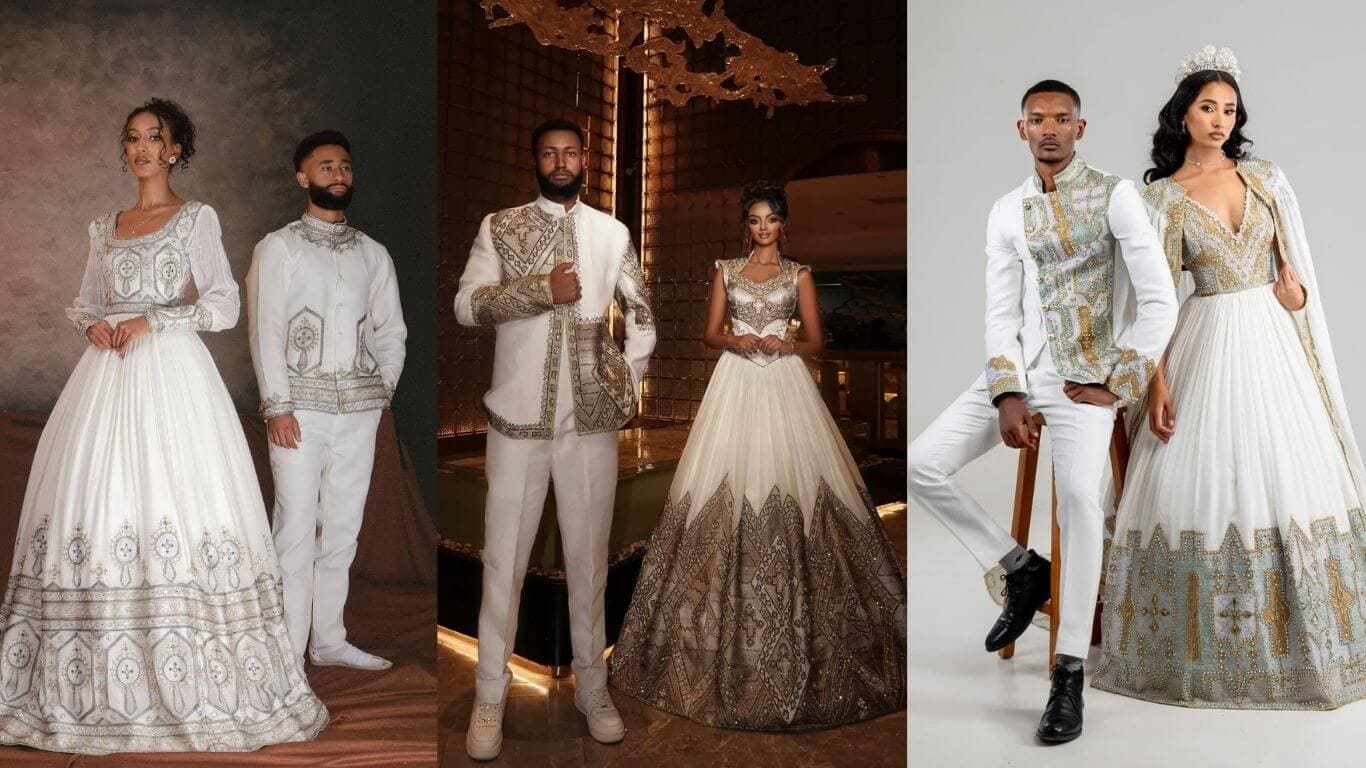
Wondering what people wear to an Ethiopian wedding? This guide explains the attire worn by brides, grooms, and guests and how modern weddings blend tradition with contemporary style.
Whether you are attending an Ethiopian wedding for the first time, marrying an Ethiopian partner, or preparing for your own special day, one question naturally comes to mind: What should I wear? In Ethiopian weddings, clothing is not just about looking elegant for the celebration. The outfits chosen by couples and guests often carry meaning, reflect traditions, and help honor the importance of the occasion.
For generations, Ethiopian wedding attire has been shaped by the country’s rich history, diverse cultures, and strong connection to heritage. From beautifully woven fabrics and detailed embroidery to traditional accessories and modern designs, what people wear often tells a story about identity, family, and the traditions being celebrated.
Ethiopian wedding attire is not simply about fashion. The colors, fabrics, and styles worn by brides, grooms, and guests can reflect regional influences, religious customs, and the balance between preserving tradition and embracing modern trends. Even as many couples include contemporary elements in their weddings, traditional clothing remains a meaningful part of the celebration.
In this guide, we explore what brides, grooms, and guests traditionally wear at Ethiopian weddings, including customary ceremonies, church weddings, civil celebrations, and receptions. Whether you are planning a wedding, attending as a guest, or simply curious about Ethiopian traditions, this guide will help you understand the clothing, the culture behind it, and what to expect.
What Do Ethiopians Wear to Weddings? An Overview of Ethiopian Wedding Attire
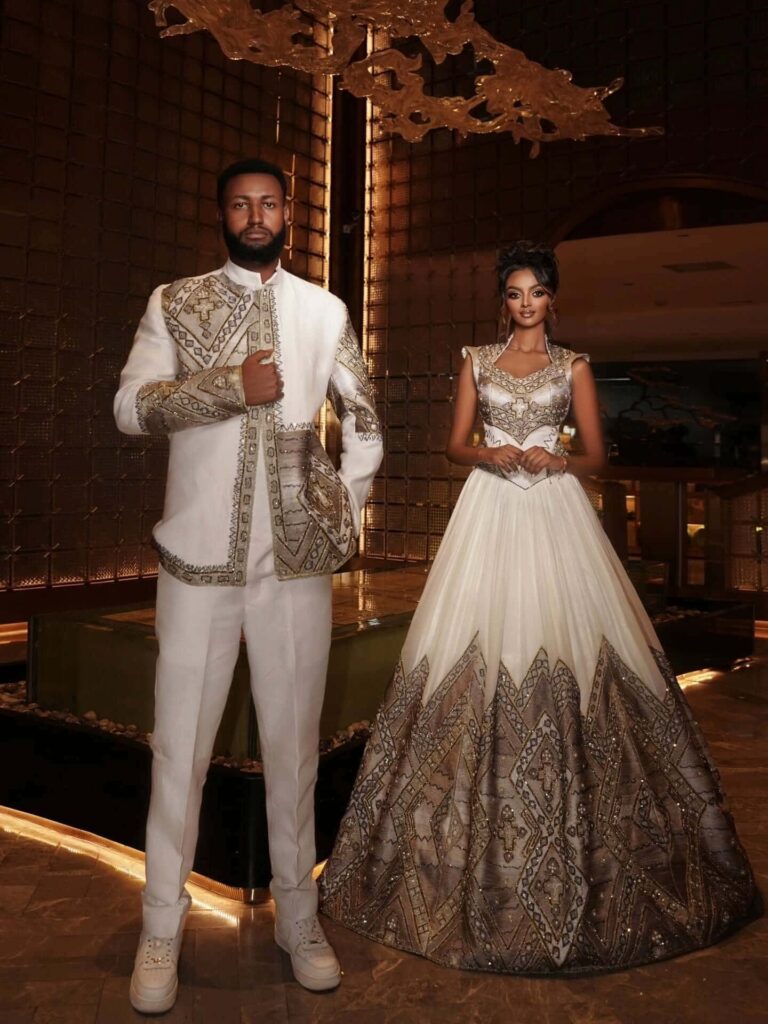
Wedding attire in Ethiopia often changes with each stage of the celebration. A couple may wear one outfit for traditional ceremonies, another for a church or civil wedding, and a different look for the reception. Family members, the bridal party, and guests also dress according to the occasion, creating a celebration filled with a variety of styles, colors, and cultural influences.
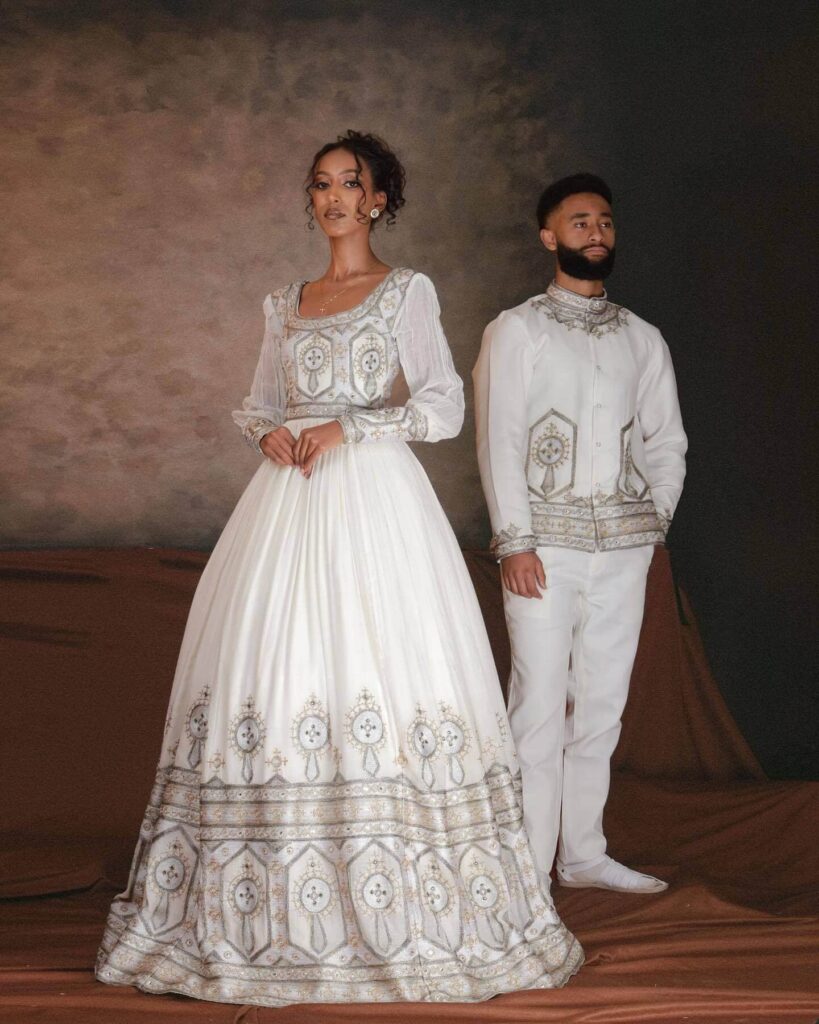
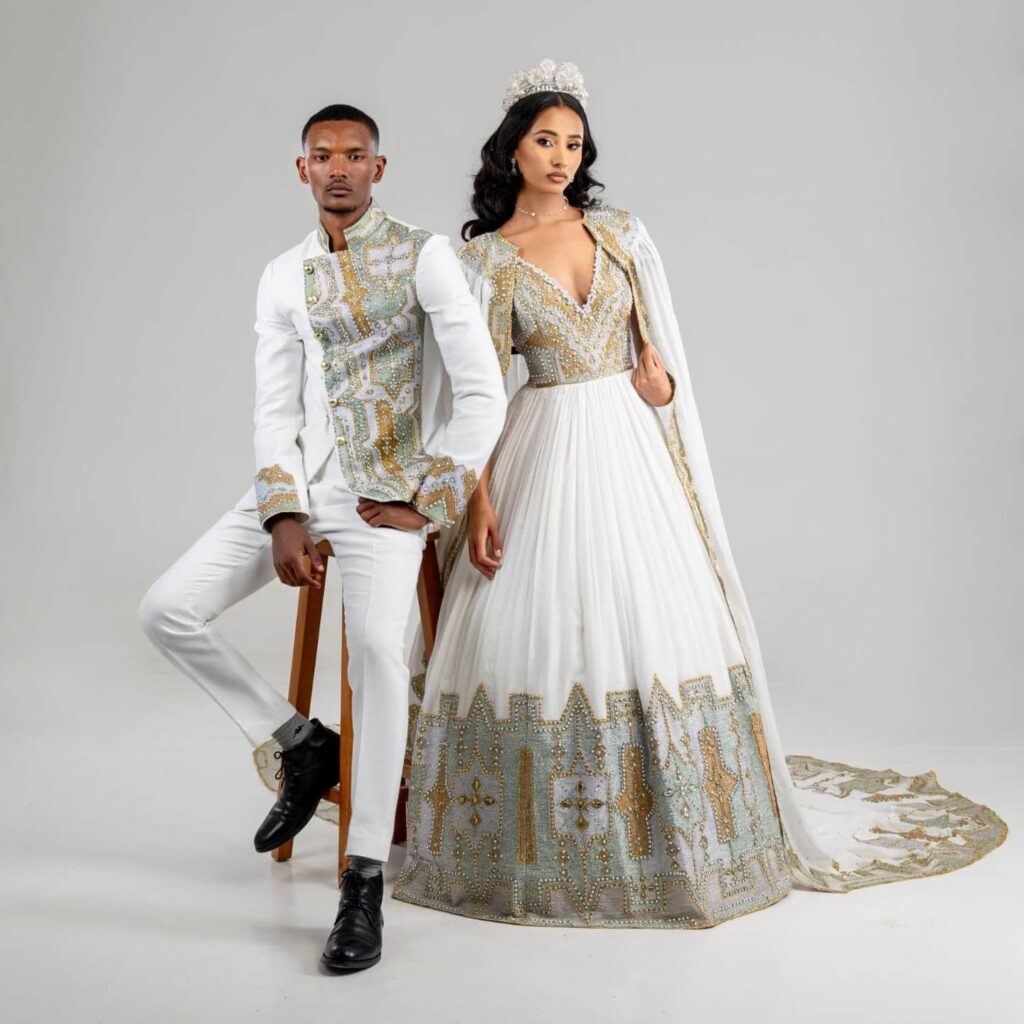
For many traditional weddings, brides are commonly seen wearing the habesha kemis, an elegant white dress often decorated with colorful woven embroidery. Depending on the ceremony, the look may be paired with a netela, traditional jewelry, and carefully chosen hairstyles that complete the outfit. Grooms also embrace tradition by wearing embroidered tunics, capes, or other garments inspired by Ethiopia’s rich cultural heritage, although modern suits have become equally common at many weddings.
Church and civil weddings usually follow a different style. Brides often choose classic white wedding gowns, while grooms wear tailored suits or tuxedos. Bridesmaids, groomsmen, parents, and guests also tend to dress more formally, blending timeless wedding fashion with touches of Ethiopian tradition through fabrics, accessories, or cultural attire.
Once the formal ceremonies end, receptions often become an opportunity for another wardrobe change. Some couples continue wearing their wedding outfits, while others change into traditional clothing or more comfortable reception attire for dancing and celebrating with family and friends. Guests also choose outfits that suit the style of the reception while respecting the significance of the occasion.
Across every stage of an Ethiopian wedding, clothing is about more than appearance. From handwoven fabrics and intricate embroidery to meaningful jewelry and carefully selected accessories, every detail contributes to the celebration. In the sections below, we’ll take a closer look at what brides, grooms, wedding parties, and guests wear throughout each part of an Ethiopian wedding.
Traditional Wedding Attire in Ethiopia
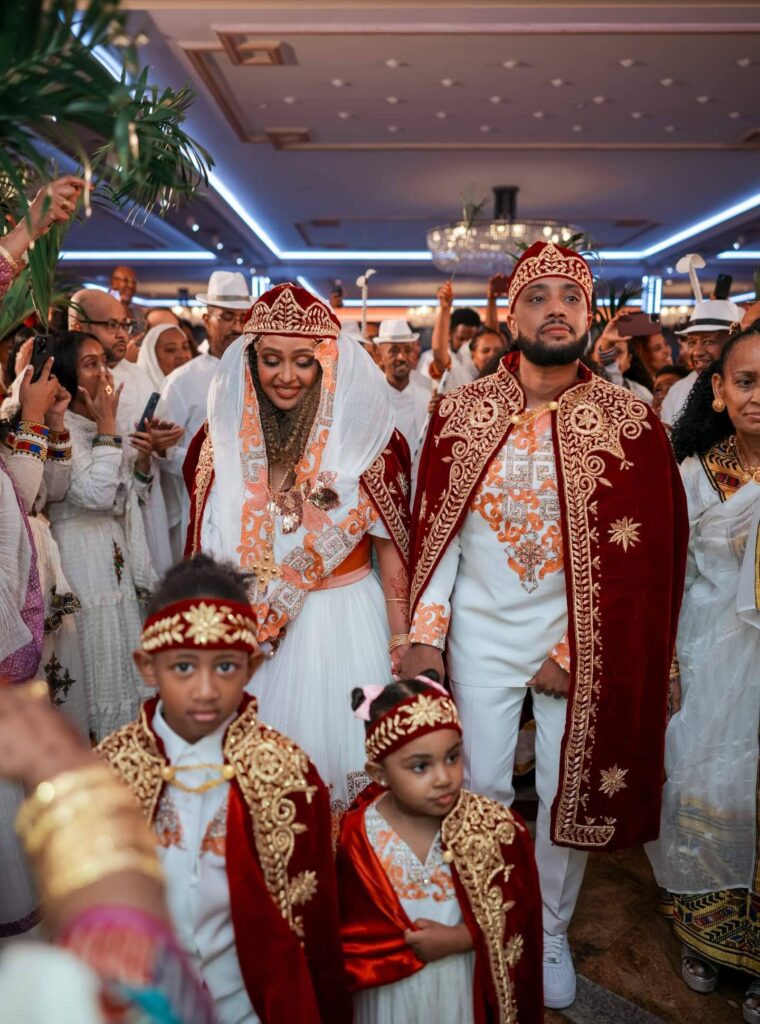
Traditional wedding attire in Ethiopia reflects far more than personal style. Every garment, woven pattern, and accessory is chosen with care, representing family heritage, cultural identity, and respect for customs that have been passed down through generations. While styles differ across Ethiopia’s many ethnic communities, the emphasis on handcrafted clothing and meaningful symbolism remains a defining feature of traditional weddings.
What Brides Wear During Traditional Ethiopian Weddings
The centerpiece of a bride’s traditional attire is the Habesha kemis, an elegant ankle or floor-length dress traditionally handwoven from shemma cotton and decorated with intricate tibeb embroidery. Although white and cream remain the most popular colors, the embroidered patterns often vary by region, family tradition, or personal preference, making every dress unique. Today, many brides choose custom-made Habesha dresses that preserve these traditional details while incorporating modern tailoring and design.
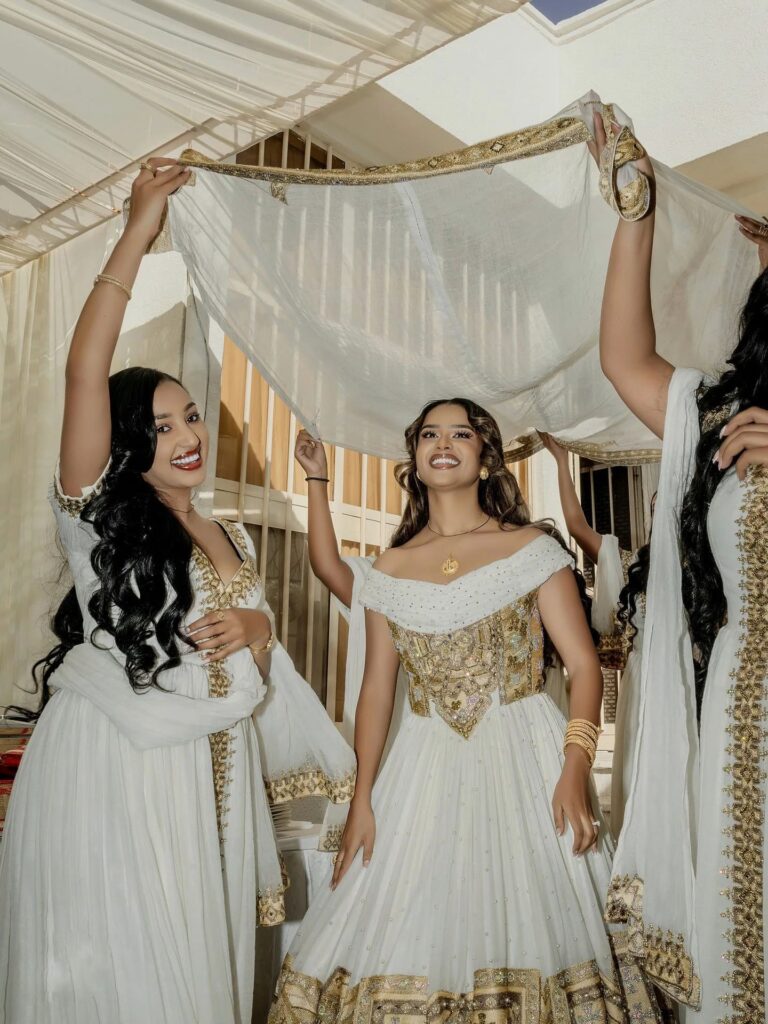
A matching netela, a finely woven shawl, is commonly draped over the shoulders or head to complete the bridal look. Depending on the ceremony and cultural background, some brides also wear a richly decorated kaba, adding an extra layer of elegance and formality. Gold jewelry, including necklaces, earrings, bracelets, and rings, is often chosen to complement the embroidery, while carefully braided hairstyles, floral accents, or decorative headpieces complete the ensemble. Together, these elements create a look that celebrates both the bride and the traditions she represents.
What Grooms Wear During Traditional Ethiopian Weddings
Traditional Ethiopian grooms also embrace cultural attire that reflects craftsmanship and heritage. Many wear a white or off-white traditional shirt paired with matching trousers, often finished with embroidered details that coordinate with the bride’s outfit. Some grooms choose a traditional Ethiopian suit featuring a stand collar and handwoven fabric, while others wear garments inspired by their region or ethnic community.
To complete the outfit, many grooms drape a gabi or netela over their shoulders, particularly during ceremonial moments. Others add a kaba, creating a more formal appearance for important parts of the celebration. While accessories for men are generally understated, embroidered shawls, traditional sashes, and symbolic crosses in Christian weddings are meaningful additions that reinforce cultural identity and respect for the occasion.
Attire During Traditional Ceremonies
Traditional Ethiopian wedding celebrations often extend beyond the wedding day itself, and clothing changes to reflect the customs observed throughout the journey to marriage. During ceremonies such as Shimagelay, where respected elders formally bring both families together to discuss and bless the union, couples and their families typically wear traditional attire that reflects dignity and respect for the occasion.
The same cultural importance carries into celebrations such as Telosh and other pre-wedding gatherings, where family members, relatives, and guests frequently choose traditional clothing over modern formalwear. Coordinated outfits, handwoven fabrics, and matching embroidery reinforce the sense of unity between the two families while honoring customs that have shaped Ethiopian weddings for generations. These traditions remind everyone present that wedding attire is not simply clothing for a celebration, but an expression of heritage, family, and the values that accompany marriage.
White Wedding Attire in Ethiopia
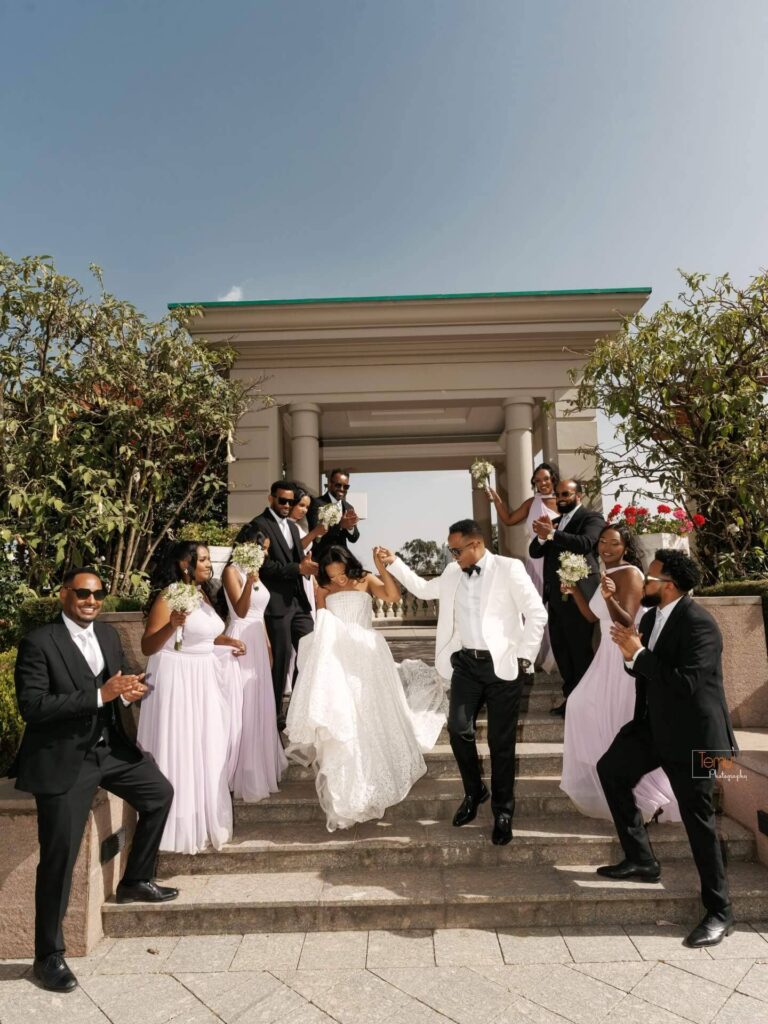
While traditional clothing remains an important part of Ethiopian weddings, many couples also celebrate their marriage with a church or civil ceremony where Western-inspired wedding fashion takes center stage. White wedding attire has become a familiar sight across Ethiopia, but couples often personalize their outfits in ways that reflect their faith, family traditions, and cultural identity.
Ethiopian Orthodox Church Weddings
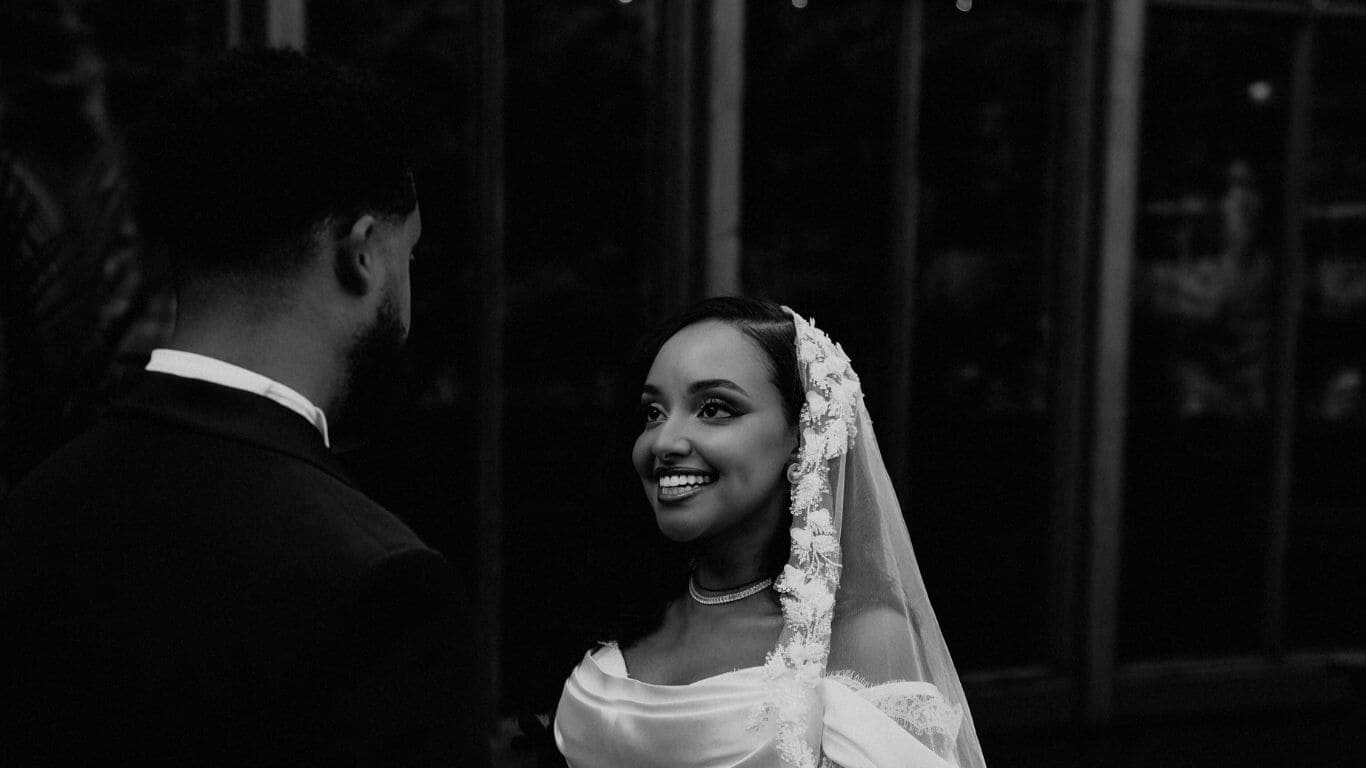
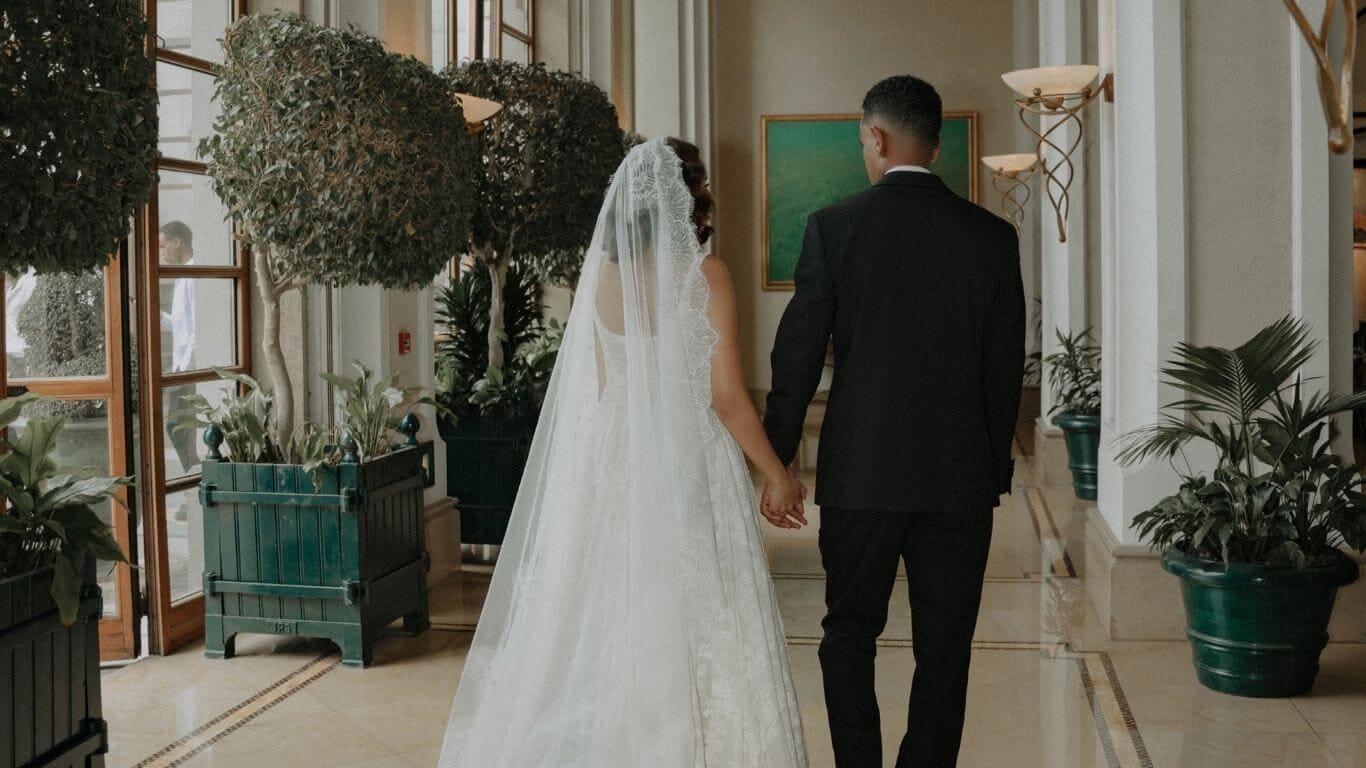
Ethiopian Orthodox weddings are among the most sacred marriage ceremonies in the country, and the attire reflects the solemnity of the occasion. Brides typically wear elegant white wedding gowns paired with veils, creating a timeless bridal look that symbolizes purity and the beginning of married life. Grooms usually wear well-tailored suits or tuxedos in classic colors such as black, navy, or charcoal.
Although Western-style attire is common, many couples incorporate subtle Ethiopian elements into their appearance. Embroidered shawls, traditional crosses, or jewelry inspired by Ethiopian craftsmanship are sometimes added to honor their heritage without detracting from the ceremony’s formality. Since Orthodox weddings take place in a place of worship, modest and respectful attire is expected of everyone attending.
Catholic Church Weddings
Catholic weddings in Ethiopia follow a similarly formal style. Brides traditionally wear white gowns with veils, while grooms choose tailored suits or tuxedos suited to the significance of the occasion. The emphasis is often on elegance, simplicity, and reverence rather than elaborate fashion.
As with other church weddings, guests are expected to dress conservatively. Shoulders and overly revealing clothing are generally avoided, allowing the focus to remain on the religious celebration. While traditional Ethiopian garments may still appear among family members and guests, the ceremony itself is usually defined by classic bridal fashion.
@yanet.ayenachew 26.06.2026 🤍 #civilmarriage #courthousewedding #elopement #love #ethiopian_tik_tok🇪🇹🇪🇹🇪🇹🇪🇹 ♬ Almost forgot that this was the whole point – Take my Hand Instrumental – afterlives
Civil Weddings
Civil weddings offer couples greater flexibility in their choice of attire. Many brides still choose white wedding dresses, but shorter gowns, minimalist designs, or modern bridal styles are equally common. Grooms typically wear formal suits, although some opt for lighter colors or contemporary tailoring depending on the setting and the style of the celebration.
Because civil ceremonies are less formal than religious services, couples often have more freedom to express their personal taste while maintaining the elegance expected of a wedding day.
Islamic Weddings
Islamic wedding attire in Ethiopia combines elegance with the principles of modesty. Brides often wear long-sleeved white gowns or dresses in soft shades such as ivory, gold, or pastel colors, usually paired with a beautifully styled hijab or head covering. Delicate embroidery, beading, and carefully selected jewelry add sophistication while remaining consistent with Islamic values.
Grooms generally wear formal suits or traditional robes and tunics, depending on family customs and regional traditions. The clothing reflects both the importance of the marriage ceremony and respect for Islamic teachings. Guests are likewise expected to dress modestly, choosing attire that is appropriate for a religious celebration.
What the Wedding Party and Guests Wear
The wedding party and guests play an important role in creating the atmosphere of an Ethiopian wedding, and their attire reflects the significance of the occasion. Bridesmaids usually wear coordinated dresses selected by the couple, while groomsmen wear matching suits or tuxedos that complement the groom’s attire. Parents of the bride and groom often choose elegant formal clothing, with many incorporating traditional Ethiopian fabrics, shawls, or accessories as a tribute to their family’s heritage.
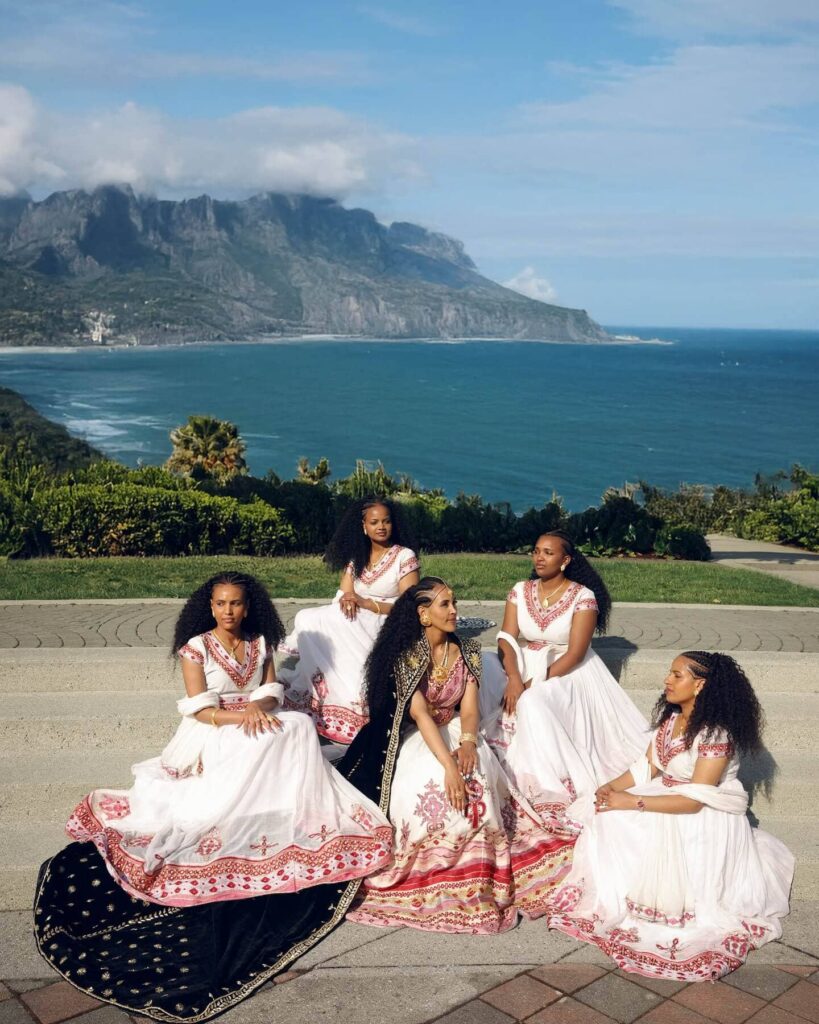
Guests generally dress in their finest attire for church and civil weddings. Some women wear formal evening dresses, while others choose beautifully tailored Habesha dresses that blend effortlessly with the occasion. Men typically wear suits, although traditional Ethiopian outfits are equally welcomed, especially among close family members. Regardless of the style, wedding attire is expected to be neat, respectful, and suitable for the religious or formal setting, allowing couples to celebrate their marriage surrounded by family and friends dressed for one of life’s most important milestones.
Reception and Celebration Attire in Ethiopia
In Ethiopia, the wedding celebration does not end when the ceremony is over. The reception is often where culture, family, music, and tradition come together. It is a time when couples may change into different outfits, guests showcase their finest traditional clothing, and the celebration reflects the community’s joy around the newly married couple.
Unlike the formal ceremony, reception attire often allows for more creativity and cultural expression. The couple may choose outfits that feel more celebratory, comfortable, and connected to their heritage while still keeping the elegance expected at such an important occasion.
The Couple’s Reception Outfits
Many Ethiopian couples wear a second outfit for the reception, especially when the celebration continues for several hours. The reception look is often more traditional and designed to stand out during the music, dancing, and family celebrations.
The bride may change into another version of a traditional Ethiopian dress, such as a beautifully designed habesha kemis with different embroidery, patterns, or accessories. Some brides choose modern interpretations that combine Ethiopian craftsmanship with contemporary bridal styles. The groom may also change into traditional clothing or a more relaxed formal outfit that complements the bride’s look.
These outfit changes are not only about appearance. They often represent a transition from the formal marriage ceremony into the joyful celebration that follows.
Traditional Clothing During Ethiopian Wedding Celebrations
Traditional clothing remains an important part of Ethiopian wedding receptions. Many guests attend wearing cultural outfits that reflect their identity, background, and personal style.
For women, the habesha kemis is one of the most recognizable choices. It is commonly made from white fabric decorated with colorful Ethiopian embroidery, known as tibeb. The design can vary depending on personal taste, region, and the formality of the celebration.
Men may wear traditional garments such as a kemis-style outfit, cultural shawls, or other Ethiopian-inspired formal clothing. Some may also choose Western suits, especially for modern urban weddings, but traditional clothing remains a meaningful choice for many celebrations.
Ethiopian Wedding Guest Dress Code
If you are attending an Ethiopian wedding, the dress code is usually elegant, respectful, and celebration-focused. Guests are expected to dress well because weddings are major social events where families, friends, and communities come together.
Traditional Ethiopian clothing is always welcomed and often appreciated, especially when attending a culturally focused wedding. However, guests who do not own traditional clothing can still attend in formal Western attire such as dresses, suits, or elegant evening wear.
The key is to avoid overly casual clothing. Ethiopian weddings are typically lively, well-dressed occasions, so guests should aim for a polished and festive appearance rather than everyday outfits.
For traditional weddings, wearing Ethiopian-inspired clothing can also be a thoughtful way to show respect and participate in the culture. Many visitors choose to wear a habesha kemis or other locally made garments when attending Ethiopian celebrations.
Mels and Kelekel: Traditional Wedding Celebrations
Ethiopian weddings often include cultural celebrations that go beyond the reception itself. Two important traditions associated with Ethiopian wedding celebrations are mels and kelekel.
Mels is a traditional gathering that usually takes place after the wedding ceremony and involves family members, friends, and community members celebrating the couple. It is often a more cultural and formal part of the wedding festivities, where traditional clothing, music, and customs are highlighted.
Kelekel is another important celebration connected to Ethiopian wedding traditions. It is often associated with welcoming, honoring, and celebrating the newly married couple through family gatherings, food, music, and cultural practices.
Because these events can have different customs depending on the region, ethnicity, and family traditions, the clothing worn may vary. However, guests are generally expected to dress formally and respectfully, with many choosing traditional Ethiopian attire.
Dancing and Wedding Celebrations
Music and dancing are central parts of Ethiopian wedding receptions. Once the formal parts of the celebration are complete, the atmosphere often becomes more energetic, with guests joining traditional dances and celebrating together.
This is another reason why reception outfits are carefully chosen. Clothing needs to look beautiful while still allowing the couple and guests to move comfortably during hours of dancing and celebration.
Traditional Ethiopian weddings are not just about what people wear. The clothing, music, food, and customs all come together to create an experience that celebrates family, heritage, and the beginning of a new chapter for the couple.
Ethiopian Wedding Attire by Role: What Should You Wear to an Ethiopian Wedding?
Choosing what to wear to an Ethiopian wedding depends on your role, the type of wedding, and how closely you are connected to the culture. A bride, groom, family member, guest, or foreign attendee may all have different expectations when it comes to dressing appropriately.
Ethiopian weddings are usually elegant and carefully celebrated occasions. Whether the wedding is traditional, religious, modern, or a combination of different styles, the general expectation is to dress formally and respectfully while embracing the beauty of the occasion.
If You Are the Bride
For Ethiopian brides, wedding attire is often one of the most meaningful parts of the celebration. Many brides wear different outfits throughout the wedding depending on whether the ceremony is traditional, religious, or part of the reception.
Traditional Ethiopian Wedding
For a traditional Ethiopian wedding, many brides choose a habesha kemis, a traditional Ethiopian dress known for its elegant white fabric, colorful embroidery, and cultural significance.
The bride’s outfit is often more elaborate than what guests wear, with detailed embroidery, jewelry, and accessories that create a distinctive bridal look. Some brides also include traditional hairstyles and cultural decorations to complete the appearance.
The exact style can vary depending on family background, region, and personal preference, but the focus is usually on celebrating Ethiopian heritage while making the bride stand out.
White Wedding
For a white wedding, especially in Ethiopian Orthodox, Catholic, or civil ceremonies, the bride will typically wear a white wedding gown similar to modern bridal traditions around the world.
The style may range from simple and elegant to heavily designed gowns with veils, lace, and detailed finishing. The most important factor is that the dress matches the formality of the ceremony and reflects the bride’s personal style.
Many Ethiopian brides also combine modern bridal fashion with cultural elements, creating a look that connects both worlds.
Reception
The reception often gives the bride more freedom to change into another outfit that is comfortable for celebrating, dancing, and spending time with guests.
Some brides choose another traditional Ethiopian dress, while others wear a different modern gown or a more colorful outfit. The reception look is often where the bride’s personality and cultural style are expressed the most.
If You Are the Groom
Ethiopian grooms also often change their attire depending on the stage of the wedding celebration.
Traditional Ethiopian Wedding
For a traditional wedding, the groom may wear Ethiopian cultural clothing that complements the bride’s outfit. This can include traditional garments, shawls, or other formal Ethiopian-inspired designs.
The goal is usually to create a coordinated appearance that reflects the importance of the occasion and the couple’s cultural background.
White Wedding
For religious or civil weddings, Ethiopian grooms commonly wear a formal suit or tuxedo. The style may be classic and simple or more modern depending on the groom’s preference.
A well-fitted suit remains one of the most common choices because it matches the formal atmosphere of church ceremonies and modern wedding settings.
Reception
During the reception, the groom may change into traditional clothing or another formal outfit that allows him to celebrate more comfortably.
Since Ethiopian receptions often involve music, dancing, and long celebrations, many grooms choose an outfit that looks elegant but also allows them to fully participate in the festivities.
If You Are a Guest
Guests play an important role in Ethiopian weddings because these celebrations are often community-focused events involving extended family and friends.
Traditional Wedding
For a traditional Ethiopian wedding, wearing Ethiopian clothing is a meaningful way to show respect and participate in the culture.
Women may wear a habesha kemis, while men may choose Ethiopian-inspired formal clothing. Guests are not expected to dress exactly like the couple, but traditional clothing is often appreciated and welcomed.
White Wedding
For an Ethiopian white wedding, guests should follow the same general expectations as other formal weddings. Elegant dresses, suits, and formal evening wear are usually appropriate.
The main rule is to dress formally without taking attention away from the couple. Bright colors, cultural outfits, and stylish formal clothing are generally acceptable depending on the wedding style.
Reception
Reception dress codes are often festive and elegant. Guests should choose clothing that allows them to enjoy the celebration, including dancing and spending several hours with family and friends.
Traditional Ethiopian attire, formal Western clothing, or a combination of both can work well depending on the event.
If You Are a Foreign Guest Attending an Ethiopian Wedding
Attending an Ethiopian wedding as a foreign guest can feel unfamiliar, especially if you are not sure what is expected. The good news is that Ethiopian weddings are usually welcoming celebrations, and guests are encouraged to participate respectfully.
If you are invited to a traditional Ethiopian wedding, wearing Ethiopian clothing can be a thoughtful gesture. Many foreigners choose to wear a Habesha kemis, or Ethiopian-inspired outfit, especially when attending the wedding of an Ethiopian partner or close friend.
However, traditional clothing is not mandatory. A formal dress, suit, or other elegant wedding outfit is usually appropriate as long as it matches the formality of the occasion.
The most important thing is to avoid dressing casually. Ethiopian weddings are significant cultural events, and guests are generally expected to arrive well-dressed, respectful, and ready to celebrate.
If you are unsure about the dress code, the best approach is to ask the couple or someone close to the family. Ethiopian weddings can differ greatly depending on religion, region, family traditions, and whether the celebration is happening in Ethiopia or abroad.
At the end of the day, the right Ethiopian wedding attire is about more than clothing. It is about showing respect for the couple, appreciating the culture, and joining the celebration in a way that feels appropriate.
Final Thoughts
Ethiopian wedding attire is more than just clothing. It reflects culture, identity, family traditions, and the importance placed on celebrating marriage. From traditional garments like the habesha kemis to modern wedding gowns and suits, what couples and guests wear often tells a story about heritage and personal style.
While Ethiopian weddings continue to embrace modern influences, traditional clothing remains an important part of many celebrations. Today, many couples find a balance between preserving cultural customs and creating a wedding experience that reflects who they are.
Understanding what to wear to an Ethiopian wedding helps guests participate respectfully and confidently. Whether you are attending a traditional celebration, an Orthodox church wedding, a court wedding in Ethiopia, or a modern reception, dressing appropriately is one way to honor the couple and the culture they are celebrating.
If you want to learn more about Ethiopian weddings, explore other parts of the celebration, including traditional Ethiopian wedding customs and marriage traditions, the foods served at Ethiopian weddings, and the songs and dances that bring celebrations to life. If you are planning a wedding with an Ethiopian partner or looking into marriage in Ethiopia, you can also learn more about getting married in Ethiopia as a foreigner, Ethiopian Orthodox church weddings, and court weddings in Ethiopia.
Ethiopian weddings are built around more than a single day. They bring together history, family, faith, and culture, creating celebrations that continue to carry meaning for generations.