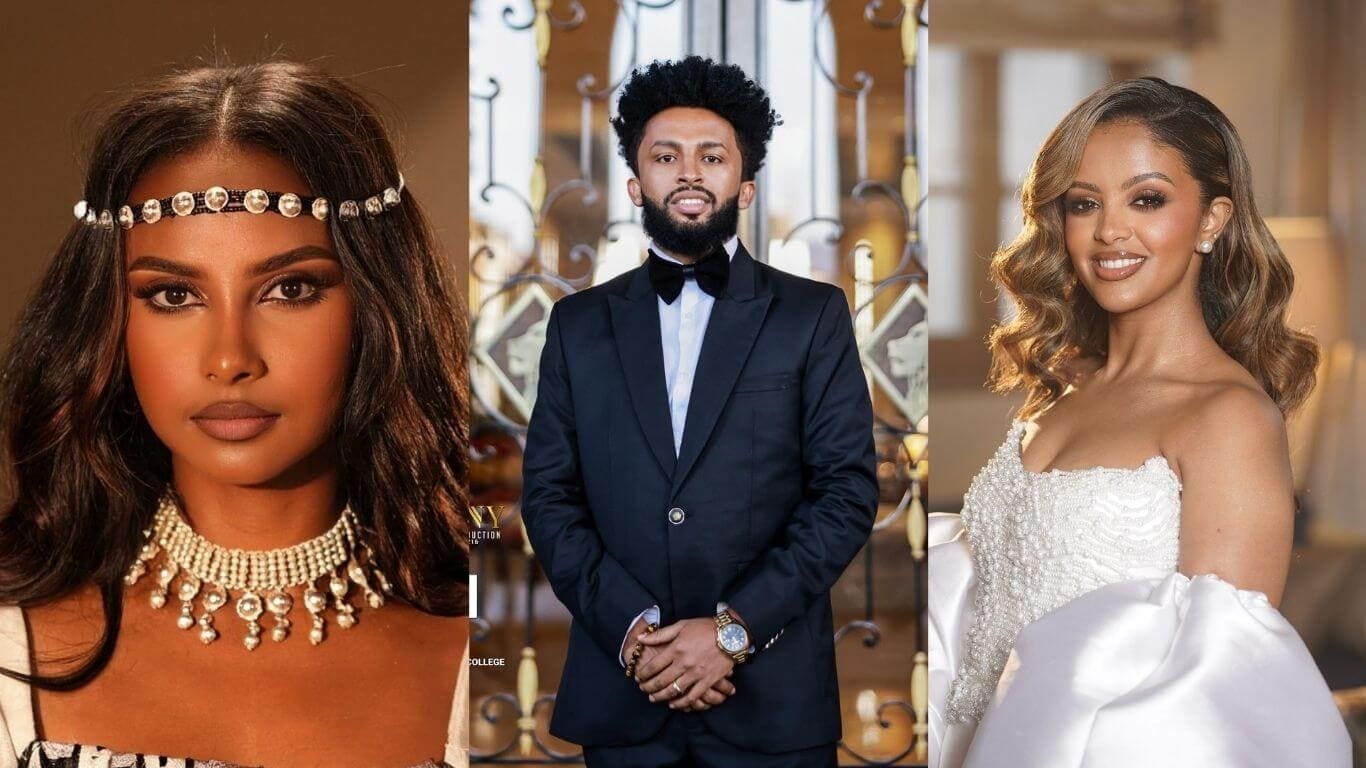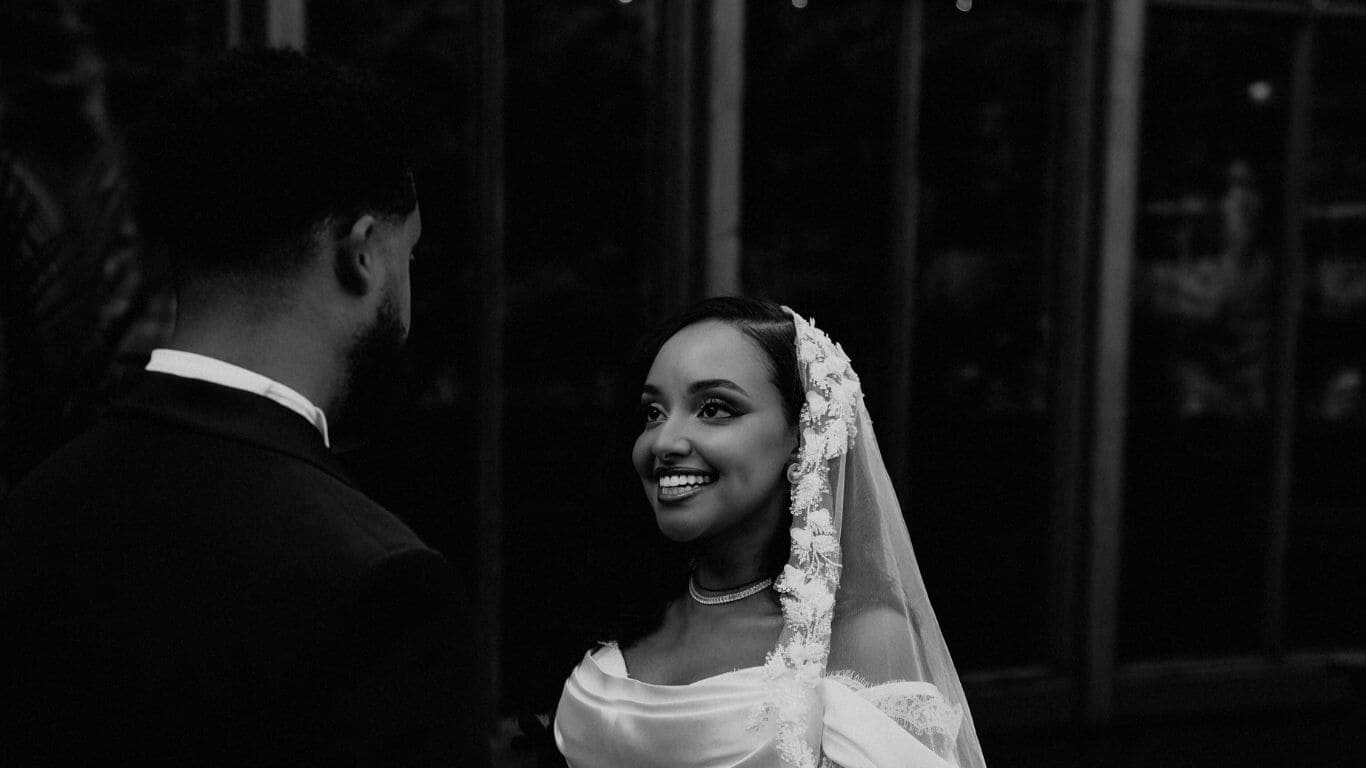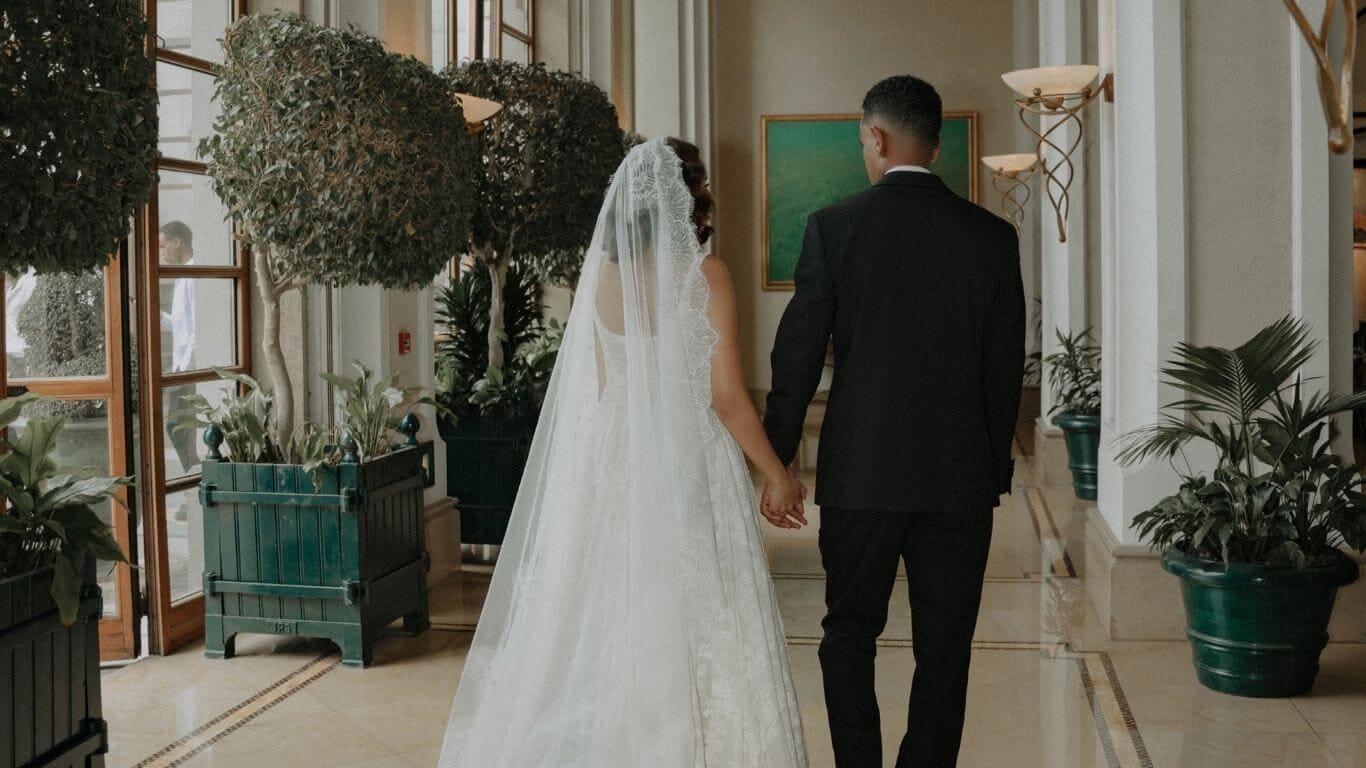
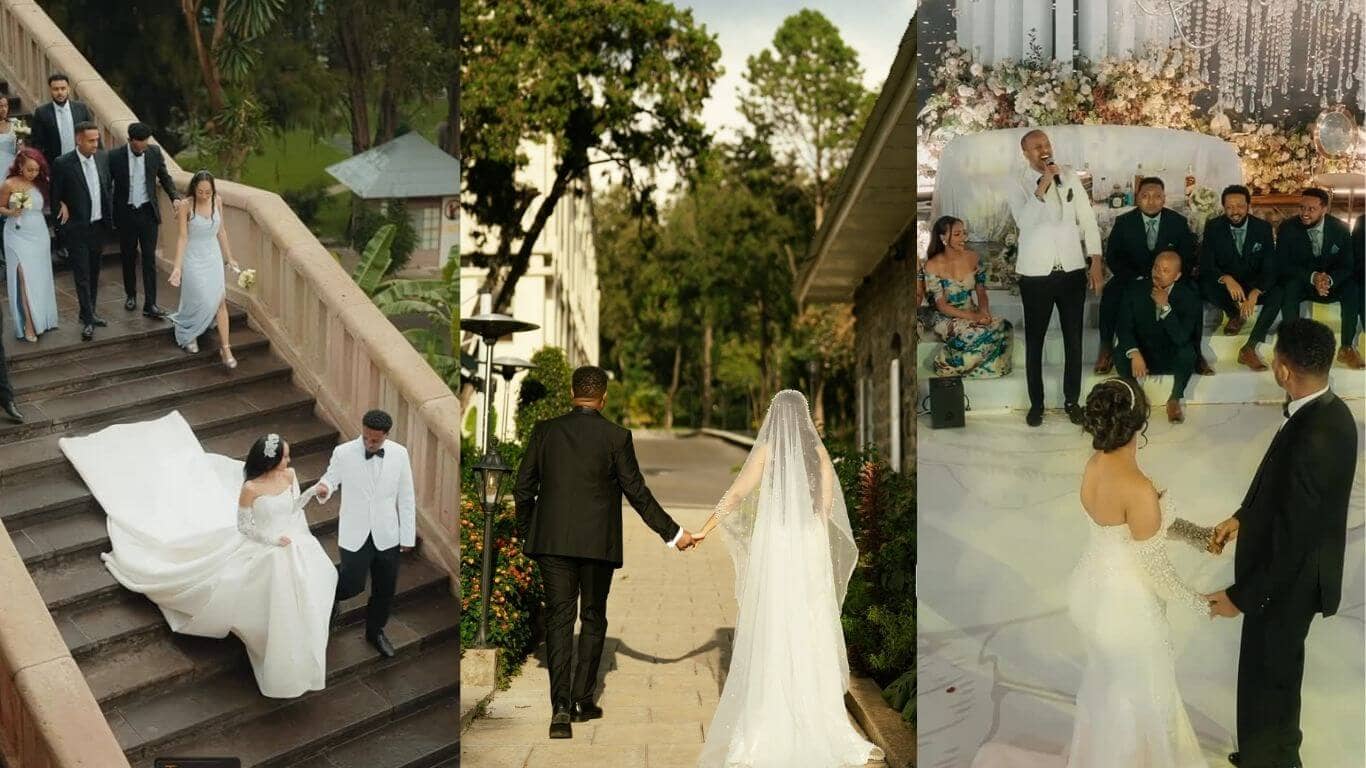
Ethiopian wedding songs blend traditional rhythms with modern sounds, creating the lively atmosphere that has defined celebrations for generations.
Ethiopian weddings are rarely quiet affairs. They carry a certain energy from the very beginning, the kind that pulls in families, neighbors, and friends into one shared celebration. If you’ve ever looked into weddings in Ethiopia, you’ll notice they’re shaped by deep-rooted culture, faith, and customs that give each ceremony its own rhythm and meaning.
Much of that rhythm comes from traditions and customs that guide how weddings unfold. From shimagelay to telosh, each stage reflects a process where families meet, negotiate, celebrate, and eventually come together. These moments are not just formalities. They set the tone for everything that follows, including how the celebration feels once it fully opens up.
And once it does, music takes over. Whether it’s an Ethiopian Orthodox Church wedding, a traditional ceremony, or a modern Amharic celebration, songs find their place in every part of the day. You’ll hear them during the telosh, as guests gather for the reception, throughout the Melse, and even in quieter moments like kelekels, when families are simply enjoying the day together. Music becomes the thread that holds everything together.
It’s during these moments that Ethiopian wedding songs really show their importance. They’re not just background sound. They shape how people move, how they celebrate, and how they connect with each other. A single song can shift the entire atmosphere of a room, pulling everyone into the same rhythm.
That’s why Ethiopian wedding music matters so much. From timeless traditional songs that have been passed down for generations to modern Amharic hits that dominate today’s celebrations, the music doesn’t just accompany the wedding. It keeps it alive.
The Role of Music in Ethiopian Weddings
Music is what gives an Ethiopian wedding its pulse. Long before the formal moments begin, you can already feel it building in the background, drums warming up, voices rising, and the energy of guests settling into celebration. It doesn’t sit behind the event. It drives it.
At the center of it all is movement. Traditional dance styles like eskista turn weddings into shared experiences rather than performances. The sharp shoulder movements, the circular dance formations, and the call-and-response rhythm with live instruments pull everyone in. It’s common for guests to step in and out of the dance floor freely, clapping, cheering, and becoming part of the rhythm instead of just watching it.
Different regions bring their own sound. In Amhara and Tigray weddings, you’ll often hear kebero drums, masenqo strings, and strong vocal patterns that shift between calm melody and energetic bursts. Oromo celebrations bring their own layered rhythms and group dances tied to cultural identity and procession-style celebrations. In Somali-Ethiopian weddings, softer melodic styles like dhaanto create a flowing, coordinated dance atmosphere that feels both graceful and communal.
Then there are the wedding moments where music carries the entire structure of the day. During telosh, songs guide the movement of families and set the tone for the groom’s arrival. At the reception, music leads the couple’s entrance, the first dance, and the transition into celebration. Even during photography moments or outdoor gatherings, songs follow the couple, keeping the energy alive as the celebration moves from place to place.
Modern Ethiopian weddings in cities like Addis Ababa often blend all of this into one continuous experience. Live bands shift between traditional songs and contemporary Amharic hits, while DJs bring in modern Ethiopian pop and love songs. It’s not unusual to hear classic artists alongside newer voices in the same night, creating a playlist that reflects both heritage and today’s culture.
What makes it all work is how naturally music fits into every layer of the wedding. It isn’t scheduled like a segment of the event. It is the event. From the first drumbeat to the final dance circle, Ethiopian wedding music holds everything together and turns each moment into something people remember long after the night ends.
Ethiopian Wedding Songs
Ethiopian wedding songs sit at the heart of how each moment of the celebration is felt. They move between old cultural sounds and newer styles, giving couples a wide range of music to shape their day. From entrance songs to late-night dancing, the right track can define the mood of an entire scene.
What makes them stand out is the balance. Traditional instruments like the masenqo and kebero often sit alongside modern production influenced by pop and R&B. The result is a sound that feels rooted in heritage but still speaks to today’s generation, which is why certain songs keep returning to weddings year after year.
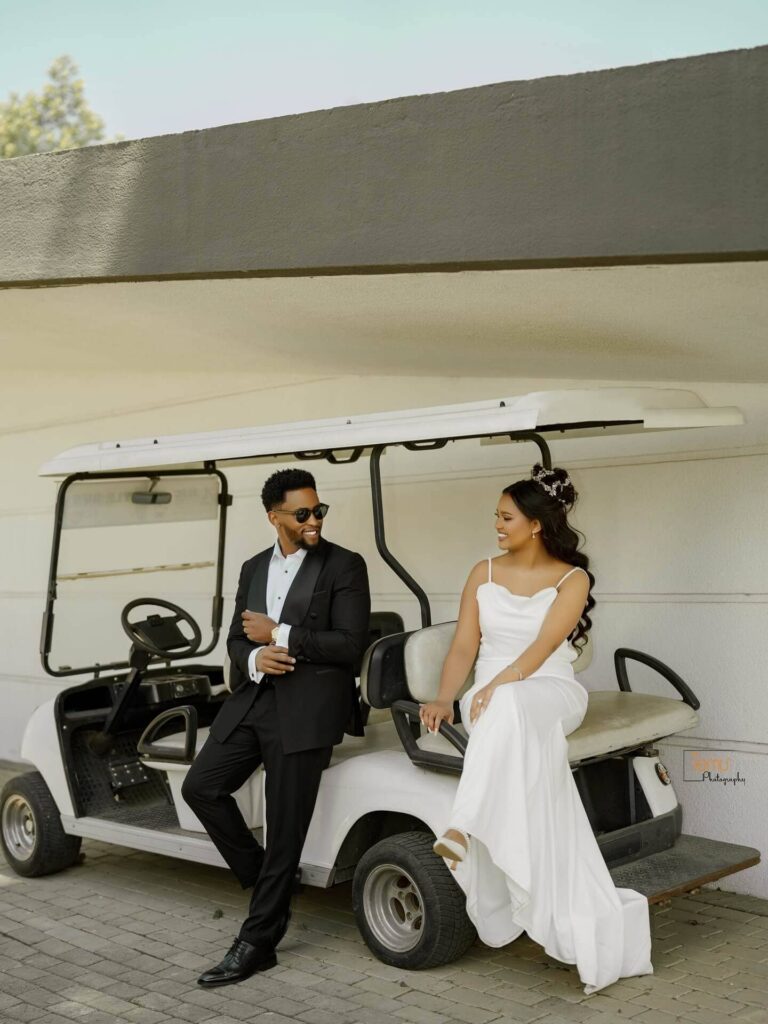
Popular Ethiopian Wedding Songs
These are the songs you’ll most likely hear at almost every Ethiopian wedding today. They’re widely recognized, easy for guests to connect with, and often set the tone for dancing and celebration from the very first moments.
Mushirit Mushira – Tsegaye Eshetu
Mushirit Mushira by Tsegaye Eshetu is a classic wedding favorite often played during the bride’s entrance and celebratory moments.
Yegnama Mushera – Tadese Mekete
Yegnama Mushera by Tadese Mekete is an energetic song that naturally fits dancing and guest celebrations.
Amen – Amen & Kidus
“Amen” by Amen and Kidus is a romantic song frequently used during first dances and emotional moments.
Firew Yamare Zer – Elias Solomon ft. Micky
Firew Yamare Zer by Elias Solomon ft. Micky (Gonderegna) is a lively Gonderegna track known for creating a festive atmosphere.
Esti Abrulign – Tsegaye Eshetu
A modern favorite that blends familiar cultural rhythms with a fresh sound.
Michael Belayneh – Mushraye (ሙሽራዬ)
Wedding-themed and naturally fits reception or celebratory moments.
Bewketu Sewmehon – Yebetezemedu (የቤተዘመዱ)
Strong family-centered wedding feel and culturally relevant.
Wendimu Jira Chaweta (ጫወታ)
Works well for guest dancing and energetic moments.
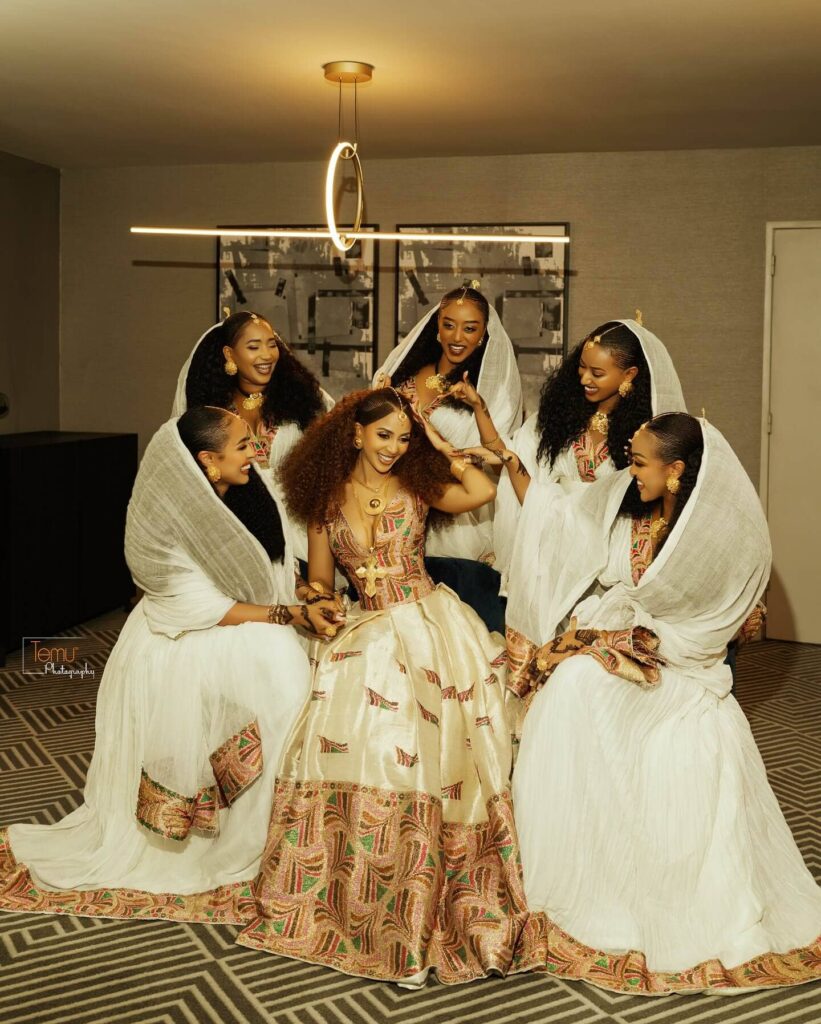
Traditional and Timeless Wedding Songs
This category holds the classics that have been played for generations. These songs carry cultural weight and are often chosen for ceremonial moments, entrances, or parts of the wedding where emotion and tradition take center stage.
Mushiraye – Mahmoud Ahmed
A timeless romantic classic often associated with formal wedding moments.
Almaz – Mahmoud Ahmed
A beloved classic frequently played during receptions and family dances.
Kinfe Teklay – Abea Enahalkune
Kinfe Teklay by Abea Enahalkune is a traditional Tigrigna wedding song centered around blessings and marriage.
Yibel Mewsbo – Filmon Bekele
A heartfelt song with a festive tone that remains popular at celebrations.
Kaba – Teddy Afro
A cultural fusion song with a grand feel that fits wedding entrances well.
Tsegaluel Hailemariam – RIHUS EGRI (ርሑስ እግሪ)
Traditional Tigrigna wedding music and a very natural fit.
Tilahun Gessesse – Lanchi Biye
Classic Ethiopian music that still carries wedding and celebratory value.
Ali Birra – Ushuruururuu
Strong Oromo cultural significance and works well in traditional celebrations.
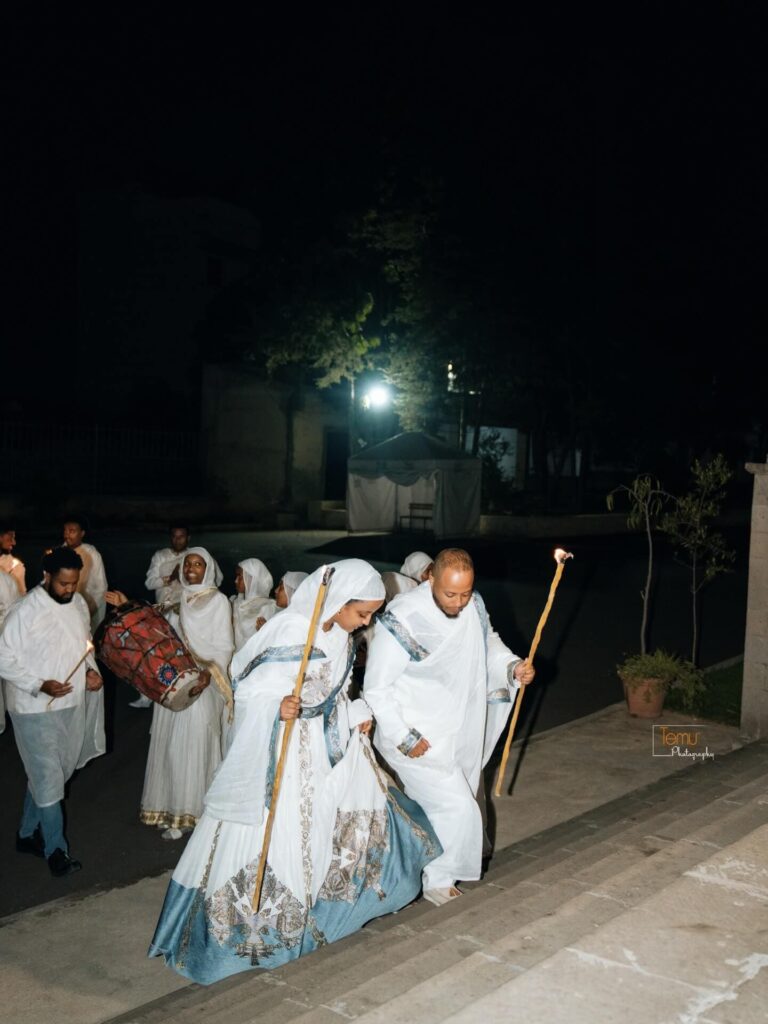
Modern Ethiopian Wedding Songs
Modern wedding songs bring a fresh sound into the celebration. Influenced by contemporary Amharic music and global styles, these tracks are what keep the dance floor active late into the night and connect younger audiences to the celebration.
Ye Ewunet Menged – Abinet Agonafir
“Ye-Ewunet Menged” is wedding music written by Abinet Agonafir. This is for intimate moments like the arrival of the couple or the couple’s first dance or can be played during the vow exchange.
Asey – Wedi Tigray
Asey by Wedi Tigray is best for candid moments, marked by warmth and personal reflection, making it one of the modern songs to play at your weddings.
Amrobetal – Emebet Yeshibelay
Amrobetal by Emebet Yeshibelay is perfect for couples who want to include a modern song in their wedding celebration. The song is about the love between the couple and their hopes for the future.
Etie Mietie – Abdu Kiar
Ethiopian musical icon Abdu Kiar, who gained his popularity in 2003 on his first album called “Merkato Sefere,” also has “Etie Mietie,” which is modern wedding music enjoyed by most couples.
Tamriyalesh – Dawit Tsige
A high-energy song commonly used for the couple’s entrance.
Wube Keremela – Tsegaye Eshetu
An upbeat favorite that keeps the celebration moving.
Yebarkelene – Fikadu Tizazu
A blessing-themed song often used in meaningful wedding moments.
Yitbarek (የተባረከ)
A modern wedding anthem widely heard in contemporary ceremonies.
Yene Konjo – Zeritu & Eyob Mekonnen
Romantic and suitable for couple moments.
Hilm Aydegemem – Teddy Afro
More modern and emotionally driven.
Weye Weye – Abdu Kiar & Melat Kelemework
High-energy and suitable for reception dancing.
How Ethiopian Couples Choose Wedding Songs Today
Choosing wedding songs is no longer left entirely to chance or the DJ. Most couples today go in with a clear sense of what they want, building a playlist that reflects their story, their families, and the energy they want for each part of the day.
Here’s how couples are approaching it now:
1. They build the playlist together early:
Instead of waiting for the wedding day, couples now sit down weeks or months before to decide on key songs. This helps avoid last-minute pressure and ensures the music actually reflects their taste.
2. They assign songs to different moments:
Music is planned by mood. There are specific songs for the couple’s entrance, family blessings, dinner, and full dance floor moments. Each stage has its own sound.
3. They still rely on DJs, but with direction:
DJs are important, but they’re no longer the ones deciding everything. Couples hand over a curated list so the DJ can mix, adjust, and keep the flow without losing the couple’s vision.
4. They balance old and new songs:
Most playlists include a mix of traditional Ethiopian wedding songs and modern Amharic hits. This keeps both elders and younger guests engaged throughout the celebration.
5. They think about family preferences:
Ethiopian weddings are family-centered, so couples often include songs their parents and elders connect with, especially during formal or emotional moments.
6. They prioritize dance floor energy:
Once the formal parts are done, the focus shifts to keeping people on their feet. High-energy tracks are saved for later in the night when the celebration becomes more relaxed and free.
7. They include meaningful personal songs:
Some couples now add songs that reflect their relationship, shared memories, or even tracks they listened to during their journey together. It makes the celebration feel more personal and grounded.
At the end of the day, it’s less about picking “popular songs” and more about shaping a soundtrack that fits the flow of the wedding from start to finish.
@eliyagrema מסכימים עם דירוגי שירים שלי 💃🏽⁉️👇🏽#שושבינה_בפעם_הראשונה #ethiopianwedding #ethiopianweddingsong #amharic #wedding #songs #rating #culture #transition #ethiopian_tik_tok #habeshatiktok #viral #foryou ♬ צליל מקורי – BANCHI 💍
Final Thoughts
Ethiopian wedding songs carry more than melody. They shape the mood of the entire celebration, guiding moments from the first entrance to the final dance. Every stage of the wedding has its own sound.
What makes it special is the blend. Traditional rhythms, modern Amharic hits, and timeless classics all sit in the same space, each one finding its moment without competing for it.
In the end, the music is what stays with people. Long after the wedding ends, it’s the songs that bring the memories back, exactly as they were lived.