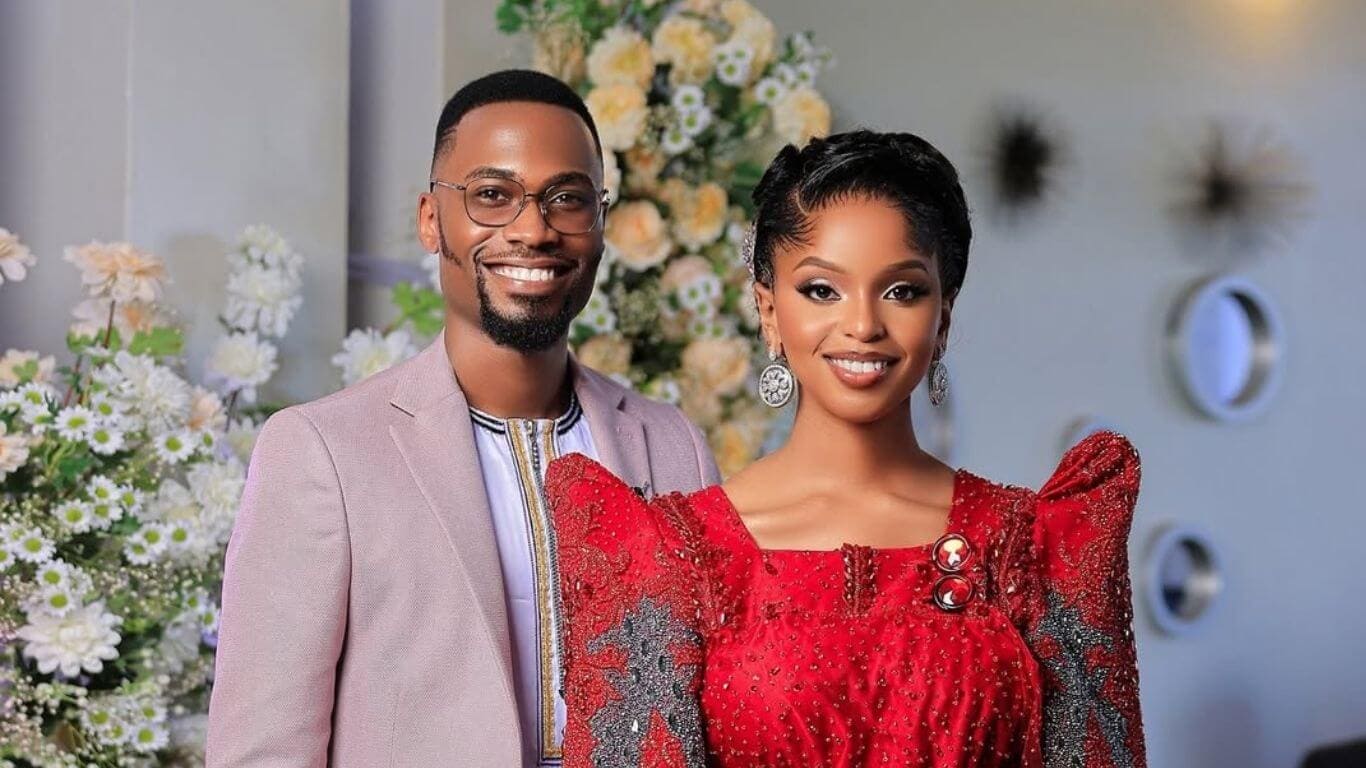
Kukyala is an intimate pre-wedding visit in Uganda where the groom formally meets the bride’s family. Here’s what it means, what happens, and why it matters.
Across many African cultures, marriage doesn’t begin with a ring or a wedding day. It starts with a visit. In Ghana, it’s known as the “knocking” ceremony, where a groom’s family formally approaches the bride’s home. Among the Yoruba, it’s the introduction known as Mọ́ mi mọ ẹ́ (“know me, know you”), a first step rooted in respect and intention. Different names, same idea: before anything becomes official, families meet, talk, and acknowledge what’s coming.
Uganda follows that same rhythm, but with its own structure and depth. If you’ve explored wedding traditions and customs in Uganda, you’ll notice that nothing happens in isolation. From the music that fills the day to the outfits, gifts, and even the conversations around cost and who pays, every part of a Ugandan wedding is layered. It’s not just about the ceremony itself; it’s about the process that leads up to it.
That process doesn’t jump straight to the big moments like Kwanjula or the white wedding. It begins quietly, with something more personal and intentional. A visit that isn’t loud or extravagant but carries real weight. This is where the story actually starts, before the songs, before the celebration, before the crowd.
That moment is Kukyala.

What is the Kukyala Ceremony?
What is the difference between Kukyala, Kwanjula, and Kuhingira? In simple terms, Kukyala is the quiet beginning, Kwanjula is the public introduction, and Kuhingira is the final step that leads into the wedding itself. If you think of the Ugandan marriage process as a journey, Kukyala is where it truly starts.
Kukyala, derived from the Luganda word meaning “to visit,” is the groom’s first formal step into the bride’s family space. It’s not loud, it’s not crowded, and it’s definitely not for show. The groom, usually accompanied by a small group of close relatives or trusted friends, visits the bride’s family to officially express his intention to marry her. This is where the relationship stops being just between two people and begins to involve families.
What makes Kukyala different is how intimate and symbolic it is. This isn’t about impressing guests or putting on a production. It’s about respect, intention, and doing things the right way. The ceremony is often guided by the Ssenga (the bride’s paternal aunt), who plays a central role in receiving the groom, asking the right questions, and quietly assessing whether everything is in order. In many ways, she becomes the bridge between both families from this point forward.
Kukyala is also where key conversations begin. The groom is “unveiled,” intentions are made clear, and if everything aligns, the families start discussing the next steps, especially the Kwanjula. Nothing is rushed, nothing is assumed. It’s a careful, respectful process that lays the groundwork for everything that follows.
Before the big celebrations, the music, the outfits, and the crowd, this is where it all begins.

Why Kukyala Matters in Ugandan Marriage Traditions
Kukyala might look simple on the surface, but culturally, it carries serious weight. This is where respect is shown, intentions are made clear, and the groom proves he’s ready to step into something bigger than just a relationship. In many Ugandan traditions, marriage isn’t just about two people; it’s about families aligning. Kukyala is the moment that alignment begins.
At the center of it all is the Ssenga, the bride’s paternal aunt. She’s not just there for formality. She’s the gatekeeper, the advisor, and in many cases, the quiet negotiator. The groom doesn’t just show up and make his case to the parents directly. He goes through her. She asks the questions others won’t ask, reads between the lines, and decides whether things move forward. If she’s not convinced, the process doesn’t go far.
There’s also a deeper cultural idea behind Kukyala known as okutta ekyama, which loosely means “breaking the secret.” Until this point, the relationship is considered private, almost informal. Kukyala is where that changes. The groom officially declares his intentions, and the relationship is brought into the open, acknowledged, and taken seriously by the family.
What this does is set the tone for everything that follows. Once Kukyala is successful, it opens the door to Kwanjula, where things become more public, structured, and ceremonial. Dates start to get discussed, expectations become clearer, and both families begin preparing for the bigger stages ahead.
So while Kukyala may not have the crowd or the spectacle, it’s the moment that determines whether there will even be a wedding to celebrate. And that naturally leads to the next question… what actually happens on the day?

What Happens During a Kukyala Ceremony
Kukyala is simple by design, but every step has meaning. It’s not rushed, and nothing is random. Here’s how it typically unfolds:
1. Arrival of the groom’s delegation
The groom doesn’t come alone, but he doesn’t come with a crowd either. It’s usually a small, well-selected group of close relatives or trusted friends. This keeps the setting controlled, respectful, and focused on purpose, not spectacle.
2. Welcome and introductions
On arrival, the bride’s family receives the guests. This is calm and respectful, not dramatic. The families get to know each other, and the tone of the meeting is set from here.
3. Meeting the Ssenga and family representatives
The groom is formally presented to the Ssenga and key family members. This is where things start to feel more intentional. The Ssenga leads the interaction, guiding the process and quietly assessing the situation.
4. Expression of intent
This is the core moment. The groom (or a representative) clearly states why he is there, to express his intention to marry the bride. In some cases, this is done through a formal letter addressed to the family, especially the father, and presented through the Ssenga.
5. Gift presentation
Gifts are then presented as a sign of respect and appreciation. These are usually practical items like sugar, drinks, fruits, or small household goods, along with envelopes for key family members. It’s not about luxury; it’s about gesture.
6. Informal discussions
Once the intention is accepted, conversations begin. Families may start discussing expectations, timelines, and possible dates for the Kwanjula. Nothing is finalized aggressively, but direction is set.
7. Food, light celebration, and bonding
The atmosphere relaxes. Food is shared, conversations become easier, and both sides start to build familiarity. It’s less ceremony at this point and more connection.
That’s really the essence of Kukyala, quiet, intentional, and deeply cultural.

Kukyala Gifts: What to Take for the Ceremony
Kukyala gifts are simple, but they matter. This isn’t about showing off or spending big; it’s about respect, intention, and acknowledging the family you’re stepping into. What you bring speaks just as much as what you say.
Here’s what is commonly taken:
Core items (the essentials)
These are the foundation of most Kukyala visits. They’re practical, expected, and widely accepted across families:
- Sugar, salt, and soap
- Fruits (bananas are especially common)
- Drinks like soda or juice
- Rice and other basic food items
Symbolic gifts (respect and appreciation)
Beyond the basics, some items carry more meaning:
- Envelopes with cash for the parents and the Ssenga
- Well-arranged baskets (often used to present the gifts neatly and respectfully)
Occasional additions (more traditional touch)
In some cases, especially in more traditional settings:
- Small livestock, like a goat, may be included, though this is less common today
The key thing to understand is this: Kukyala is not about extravagance. Families are not expecting luxury. They’re looking for respect, effort, and cultural awareness. Even simple items, when presented properly, carry weight.
And naturally, once you start putting these items together, the next thing that comes into play is cost… because these choices directly shape your Kukyala budget.
@bb.nambi.event.planners ♬ original sound – Master Planner 🤓😇🇺🇬
Kukyala Budget in Uganda
Kukyala is meant to be simple, but like everything else in weddings today, the cost can stretch depending on how you approach it. Some families keep it very traditional and low-key, while others treat it like a mini event. So there’s no fixed price, just a range shaped by your choices.
At the lower end, a modest Kukyala can cost around UGX 200,000 to 500,000 (about $50 to $135). This usually covers basic gifts, a small delegation, and minimal hosting.
A more comfortable, mid-range Kukyala often falls between UGX 500,000 and 1.5 million (about $135 to $400), where gifts are more presentable and hosting is slightly elevated.
Once you start adding more people, better packaging, and extras, costs rise quickly. Many modern Kukyala ceremonies now sit within UGX 2.5 million to 6 million+ (about $675 to $1,600+), especially when families include décor, photography, and more elaborate gift arrangements.
A real-life example puts this into perspective. One Ugandan couple (Dominic Bukenya, the multi-media editor at Daily Monitor, and his wife Doreen Kembabazi) shared that their Kukyala ended up costing about UGX 4.8 million (around $1,300). Interestingly, their family initially tried to scale it down, but personal preferences and the desire to make it special pushed the cost higher.
So what really drives the budget?
- Size of the entourage – the more people you move with, the higher the cost
- Type and quantity of gifts – simple vs well-packaged, basic vs extended items
- Food and hosting – even a small gathering still needs a proper reception
- Modern extras – décor, photography, coordinated outfits, and styling
Here’s the thing: Kukyala doesn’t need to be expensive to be meaningful. The moment you start treating it like a full event, the budget follows. And that’s where many couples quietly overspend without realizing it.
Kukyala Attire: What to Wear
Kukyala isn’t a fashion show, but what you wear still carries meaning. The goal is simple: look presentable, respectful, and rooted in culture without overdoing it.
Bride:
Most brides go for a Gomesi, which remains the most iconic choice in Buganda culture. Others opt for modern African-inspired dresses that still feel elegant and culturally appropriate. The key is modesty with confidence, something that fits the occasion without overshadowing its purpose.
Groom:
The groom typically wears a Kanzu, especially in traditional settings, often paired with a jacket for a more refined look. Some go for a full suit or smart traditional wear, depending on family expectations and personal style. Either way, the focus is on neatness and respect.
Guests:
Guests usually dress in coordinated but simple outfits. It’s common to see matching colours within the groom’s or bride’s side, but nothing too loud or distracting. The idea is to complement the occasion, not compete with it.
At the heart of Kukyala attire is dignity. It’s not about fashion statements or trends, it’s about showing respect for both families and honouring the cultural moment you’re part of.
Modern Kukyala Trends in Uganda
Kukyala used to be quiet, almost invisible to the wider public. Today, that’s changing fast. What was once a simple family visit is increasingly becoming a semi-public event, with more structure, more planning, and in some cases, a full production feel.
One of the biggest shifts is how the ceremony is presented. Many Kukyala events now include decorators, photographers, and themed setups, something that didn’t exist in the traditional version. From floral backdrops to coordinated colour schemes, couples are borrowing heavily from modern event styling, largely influenced by social media platforms like Pinterest and Instagram.
Another change is location. Traditionally, Kukyala was closely tied to the Ssenga’s space. Now, many families host it at the bride’s parents’ home, mainly for convenience and space. It feels more comfortable for some, but it also slightly shifts the original structure of the tradition.
Guest lists have also grown. What used to be a small gathering of close family can now stretch into dozens of people. In some cases, Kukyala starts to resemble a mini-Kwanjula, which is exactly where tensions around tradition begin to show.
And that’s the real conversation underneath all of this: tradition versus modern display. On one side, there’s the original purpose, simple, intentional, and family-centred. On the other hand, there’s the modern version shaped by aesthetics, social media, and the pressure to “make it look good.”
Some couples even take it further and merge Kukyala with Kwanjula elements, blurring the line between introduction and full ceremony. It’s efficient for some, but for others, it raises one question: at what point does Kukyala stop being Kukyala?
Common Mistakes to Avoid During Kukyala
Kukyala is simple in structure, but that simplicity is exactly where people often get it wrong. When the purpose is misunderstood, the ceremony easily shifts from meaningful to messy.
One of the biggest mistakes is turning Kukyala into a mini Kwanjula. Once you start adding too many formalities, heavy décor, and large-scale planning, you lose the essence of what Kukyala is supposed to be: a quiet first introduction, not a full celebration.
Another common issue is bringing too many people. Kukyala is meant to be intimate. When the delegation becomes too large, it changes the tone of the visit and can overwhelm the receiving family, especially the Ssenga, who is expected to guide the process closely.
Then there’s overspending to impress. Many couples feel pressure to “do something big,” especially given the influence of modern social media. But Kukyala is one of those moments where value is not measured by cost. Overdoing it often shifts focus away from the actual purpose.
A mistake that often causes friction is ignoring the role of the Ssenga. She is central to the process. Skipping her guidance or treating her as a formality can create misunderstandings or even slow down the entire marriage process.
Finally, many people fail to seek or follow proper cultural guidance. Kukyala varies slightly across families and clans, and assuming it works the same everywhere can lead to avoidable mistakes.
At its core, Kukyala works best when it stays intentional, respectful, and grounded in tradition, not performance.

Kukyala vs Kwanjula: Key Differences
A lot of confusion around Ugandan marriage traditions comes down to mixing up Kukyala and Kwanjula. They sit on the same journey, but they serve very different purposes. One is the quiet beginning, the other is the public confirmation. Once you understand that, everything else falls into place.
Here’s a quick breakdown:
- Kukyala = private, first visit
A small, intimate meeting where the groom officially visits the bride’s family for the first time. - Kwanjula = public, formal introduction
A bigger, organised ceremony where families meet officially in front of extended relatives and guests. - Kukyala = intention
It’s about expressing interest and starting the conversation between families. - Kwanjula = confirmation & celebration
It seals the agreement and formally introduces the groom to the bride’s family.
Keep it simple: Kukyala starts the conversation, Kwanjula makes it official.
Final Thoughts
Kukyala might be a small ceremony, but its impact runs deep. It’s often quiet, simple, and easy to overlook, yet it carries the first real weight in the marriage journey.
It’s the point where respect is shown, intentions are made clear, and families begin to align around a shared understanding. Everything that follows in Kwanjula and beyond is built on what happens here.
Modern trends may continue to change how Kukyala looks, from décor to guest lists and presentation styles, but the core purpose hasn’t really changed. At its heart, it’s still about starting things the right way, with honesty, respect, and family approval.