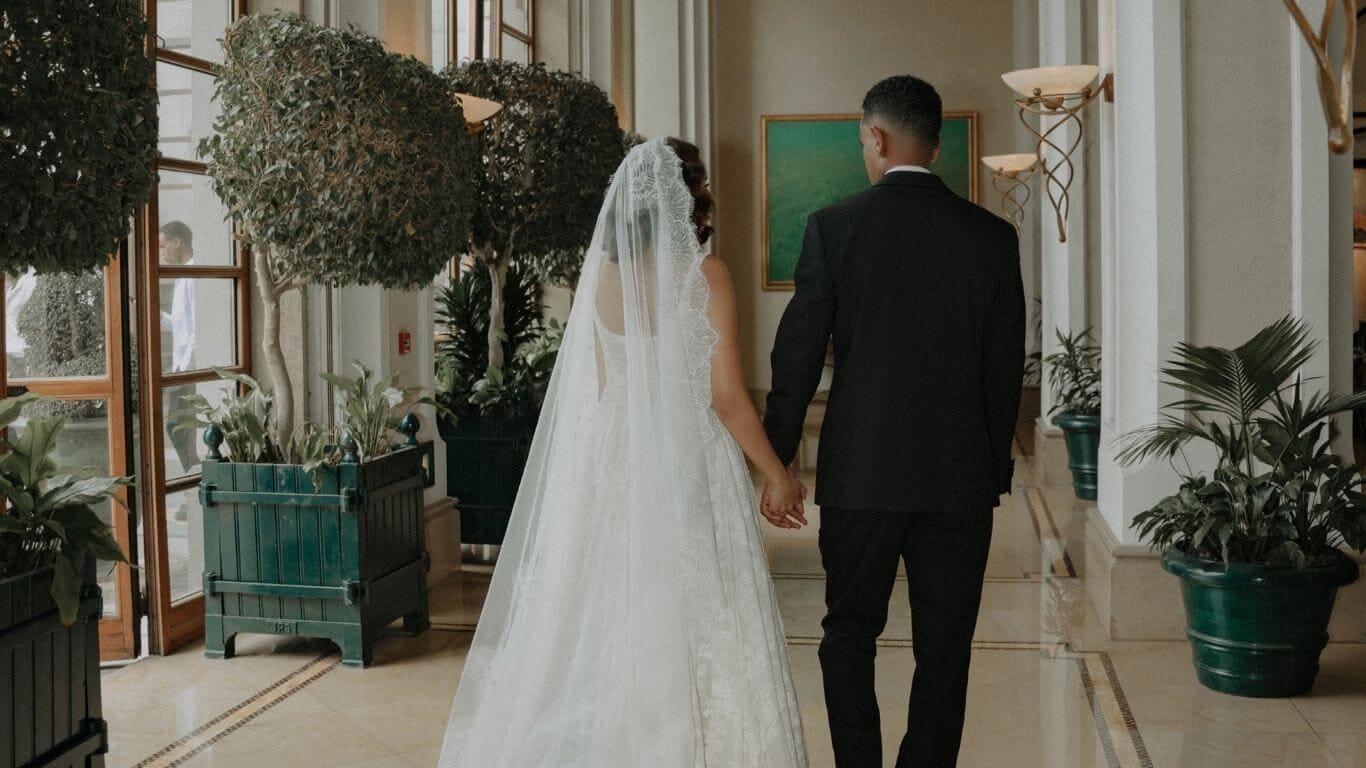
Civil marriage (often called a court or civil wedding in Uganda) is the simplest way to get legally married. Here’s what it involves, what it costs, and how to go from application to certificate without confusion.
Weddings in Uganda have never been one-size-fits-all. From deeply rooted wedding traditions in Uganda to modern celebrations shaped by budget and lifestyle, couples are constantly finding their own path. Some begin with cultural rites like Kukyala and Kwanjula, others go straight into a white wedding, and many combine both. It’s a system that blends culture, religion, and law in a way that feels Ugandan uniquely.
That’s why understanding the types of marriages recognized under Ugandan law matters more than most people think. Whether it’s customary, religious, or civil, each form carries its own meaning, process, and legal weight. And over time, more couples have started leaning toward options that are simpler, more direct, and easier to formalize.
Civil marriage sits right in that space. For many Ugandans today, it’s less about grand ceremonies and more about getting legally married without unnecessary pressure. It’s practical, straightforward, and increasingly common, especially among couples who want clarity without the cost and complexity of multiple events.
You can see the shift clearly. What used to be seen as a quiet alternative is now becoming a preferred choice. With the responsibility for registering marriages now handled by the National Identification and Registration Authority (NIRA), the process has become more structured and accessible. More couples are choosing to formalize their union this way—and that’s exactly why understanding how civil marriage works in Uganda is no longer optional; it’s essential.

Overview of Marriage Types in Uganda
Marriage in Uganda isn’t defined by one system. It sits at the intersection of law, culture, and religion, which is why different couples end up following different paths depending on what they value most—tradition, faith, or legal structure.
Broadly, Uganda recognizes five main forms of marriage:
- Customary marriage – rooted in culture and clan traditions, often involving bride price and family negotiations under the Customary Marriage (Registration) Act
- Civil marriage – a legally registered union conducted by a government registrar under the Marriage Act, strictly monogamous and not tied to religion
- Religious marriages – these include:
- Christian (Church/Holy Matrimony)
- Islamic (Sharia/Nikkah)
- Hindu marriage
Each is guided by faith-based rules, but still recognized under Ugandan law when properly registered
In practice, these systems often overlap. A couple may go through a customary ceremony first, then later have a church or civil wedding to meet legal or religious expectations. This is why Ugandan weddings rarely look the same from one family to another.
All these marriage types are supported under key legal frameworks like the Marriage Act, the Customary Marriage (Registration) Act, and the Marriage and Divorce of Mohammedans Act, each defining how unions are formed, recognized, and documented in law.
What this really shows is simple: marriage in Uganda is flexible but structured. And among all these options, civil marriage stands out as the most straightforward legal route, especially for couples who want clarity, documentation, and a process that doesn’t depend on cultural or religious layers.
What is Civil Marriage in Uganda?
Civil marriage in Uganda—often called a court wedding or court marriage—is a legally registered union conducted by a government registrar under the National Identification and Registration Authority (NIRA). It is the official form of marriage recognized by the state, independent of culture or religion, and it creates a binding legal relationship between two people.
To put it simply, this is the most structured way to get married in Uganda. Couples give formal notice of marriage, which is publicly displayed for about 21 days to allow for any objections. During this process, they submit key documents like valid identification (National ID or passport), passport photos, an LC1 letter confirming residence, and sworn affidavits declaring marital status. Where necessary, additional documents such as divorce certificates or single status letters are required, especially for previously married individuals or foreigners.
One important thing to understand is that civil marriage is strictly monogamous. Once registered, neither party can legally enter another marriage unless the existing one is formally dissolved through divorce. This is a key difference from customary systems, where polygamy may be culturally accepted in certain communities.
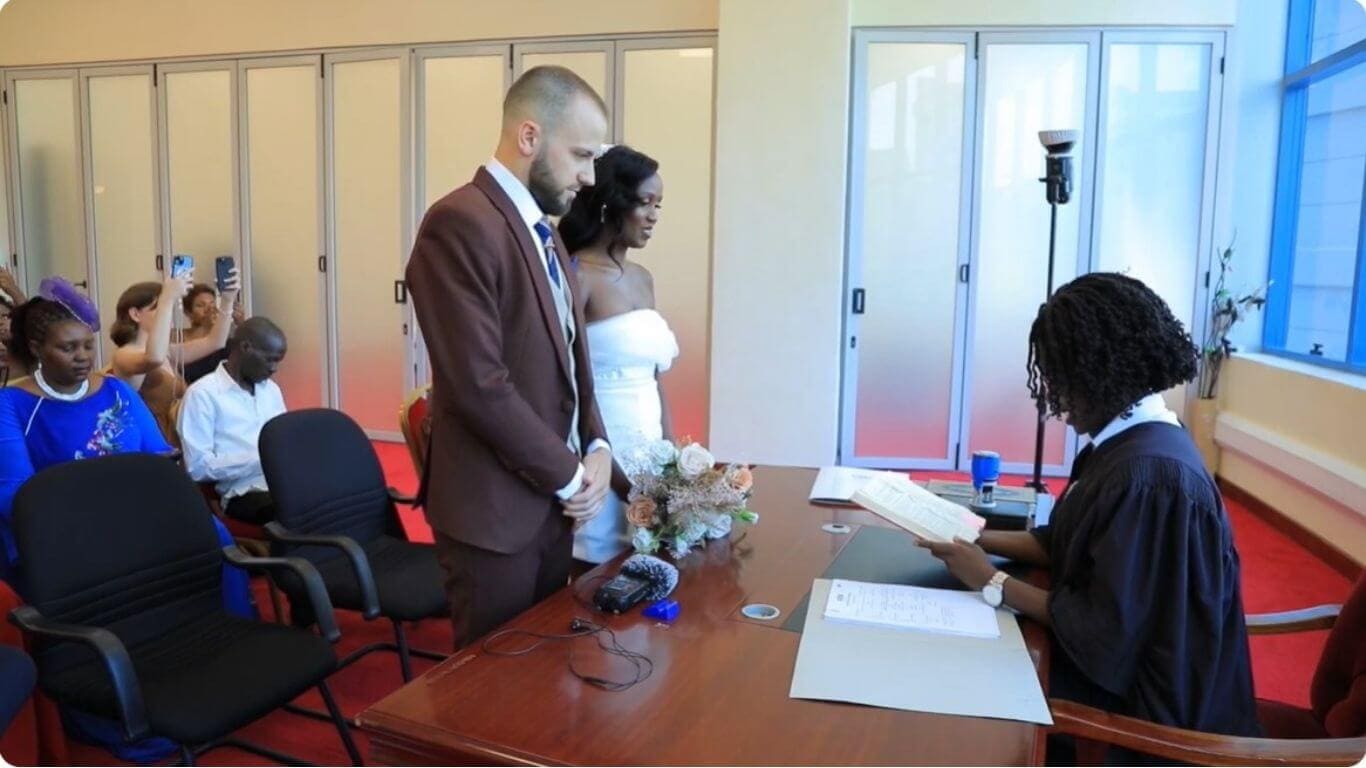
Civil marriage takes place at a government office—either at NIRA headquarters in Kampala or at local district government offices outside the capital. The ceremony itself is conducted by a registrar in the presence of at least two witnesses, and a marriage certificate is issued once everything is completed.
It is also worth noting that civil marriage stands on its own legally. You don’t need a church or customary ceremony for it to be valid, although many couples still choose to combine it with traditional or religious weddings for cultural balance.
Today, responsibility for registering civil marriages in Uganda lies with NIRA, after being transferred from the Uganda Registration Services Bureau (URSB). This shift was meant to streamline registration and make the process more centralized and accessible across the country.
So why are more couples choosing civil marriage today? It’s simple. It offers legal clarity, a straightforward process, and a level of certainty that many modern couples prefer—especially those who want to formalize their union without the complexity of multiple ceremonies.
Advantages of Civil Marriage in Uganda
Civil marriage appeals to many couples because it removes a lot of uncertainty and replaces it with a clear legal structure. Here’s what makes it attractive:
- Legal clarity and full recognition – the marriage is officially recorded and accepted under Ugandan law
- Simple and structured process – clear steps from notice to certification, with minimal cultural negotiations
- Monogamous protection under law – one legally binding union, with clear rules on exclusivity
- Easier documentation for legal matters – useful for property ownership, immigration, inheritance, and official records
- Lower complexity compared to traditional ceremonies – fewer rituals, less coordination, and more predictable requirements
Disadvantages of Civil Marriage in Uganda
Even though civil marriage is practical, it doesn’t fully replace cultural or social expectations in many Ugandan families.
- Less cultural involvement – it doesn’t capture traditional rites or clan-based customs
- No extended family rituals – lacks ceremonies like Kukyala, Kwanjula, or cultural blessings
- Often followed by other ceremonies anyway – many couples still end up doing traditional or religious weddings afterward
- Can feel too formal for some families – the process may feel procedural rather than celebratory or communal

Cost of Civil Marriage in Uganda
Civil marriage in Uganda is often seen as one of the most predictable and budget-friendly ways to formalize a union, especially when compared to traditional weddings. At its core, the official government fees are around UGX 260,000 (approximately $70–$210, depending on exchange rates and applicant category) for Ugandan citizens. For foreigners, the total can go higher, often around $200–$210 or more, depending on documentation and administrative requirements.
Under the National Identification and Registration Authority (NIRA) framework, the costs are broken down into clear service components. For example, filing a notice of marriage is about UGX 10,000, the actual celebration of marriage is around UGX 200,000, and issuing a marriage certificate costs about UGX 25,000. Additional services, such as affidavit registration or district-level processing, may incur additional charges, typically in the range of UGX 25,000–55,000, depending on the case.
Beyond official fees, couples often spend more on supporting requirements such as passport photos, LC1 letters, transport, printing documents, and arranging witnesses. Some also add small costs for optional setups, especially if they treat the court wedding as a mini-celebration rather than just a legal procedure. This is why real-life totals can vary widely—even when the official base fee looks low.
In some cases, special arrangements like faster processing or alternative venues can increase the cost. Reports have shown figures ranging from about UGX 85,000 to UGX 135,000 for certain simplified or special license situations, depending on timing and location preferences.
The key thing to understand is this: civil marriage isn’t just about a single fixed price. The official system is structured and affordable, but the final cost depends on how much additional preparation and personalization a couple chooses.
Before making any payments, though, it’s important to first understand the requirements and documentation involved—because that’s what actually determines how smooth the process will be.
@babie2565 Replying to @maria.nassozi7 Requirements for civil marriage in uganda#civilmarriage #love #marriage #husbandandwife #fyyyyyyyyyyyyyyyy #foryoupage❤️❤️ #trendingvideo ♬ original sound – Mr.Mrs. Divincenzo(lawyer)
Requirements for Civil Marriage in Uganda
Before a civil marriage can take place, couples are required to submit a set of official documents that confirm identity, eligibility, and legal capacity to marry. The process is structured, but straightforward once everything is in place.
Here’s a clear checklist of what you need:
- National ID or passport (for Ugandans and foreigners, respectively)
- LC1 letter confirming residence in the marriage district (usually at least 15 days)
- Passport-sized photographs for both parties
- Notice of marriage submitted and displayed for 21 days
- Sworn affidavits confirming there is no legal impediment to the marriage
- Divorce decree or death certificate (if previously married)
- Foreigners: letter confirming marital status from home country + valid visa
- Two adult witnesses with valid identification
In some cases, additional requirements may apply. Refugees, for example, must present a confirmation letter from the Office of the Prime Minister stating marital status. Any foreign documents not in English must also be officially translated and certified.
Once these documents are ready and submitted through the NIRA marriage system, the process moves into the next stage: the legal steps that lead to the actual ceremony and registration.
So how does it all come together on the day and in the weeks before? That’s where the process becomes important.
Civil Marriage Process in Uganda
Once the documents are ready, the civil marriage process follows a clear legal sequence guided by NIRA and the district registrars. It is structured, time-bound, and largely predictable.
Here’s how it works step by step:
- Submit application via the NIRA marriage system with all required documents
- Notice of marriage is published on the District Registrar’s notice board
- 21-day waiting period begins, allowing for public objections if any exist
- No objection phase is completed (or any legal challenge is resolved)
- Marriage is scheduled once the notice period ends
- Ceremony takes place at the registrar’s office (or approved venue) from Monday to Friday, usually between 10am and 4pm
- Marriage is conducted before a registrar and two witnesses
- Marriage certificate is issued, often on the same day after completion
If any objections arise during the 21-day notice period, the matter is escalated for legal review before the marriage can proceed.
In preparation for the ceremony, couples are also expected to physically appear for verification with their documents, witnesses, and payment receipts. Once everything is confirmed, a date is officially set for the wedding.
The ceremony itself is simple and formal, but still meaningful in its own way. So what does the actual court wedding day look like when everything comes together?
@babie2565 Civil marriage in uganda#viralvideosofficial❤️❤️🤩foryoupage🥰🥰💔 #interracialcouple #trend #trendingsong #lawyer ♬ original sound – oldisgold
What Happens During a Civil Wedding (Court Wedding Day)
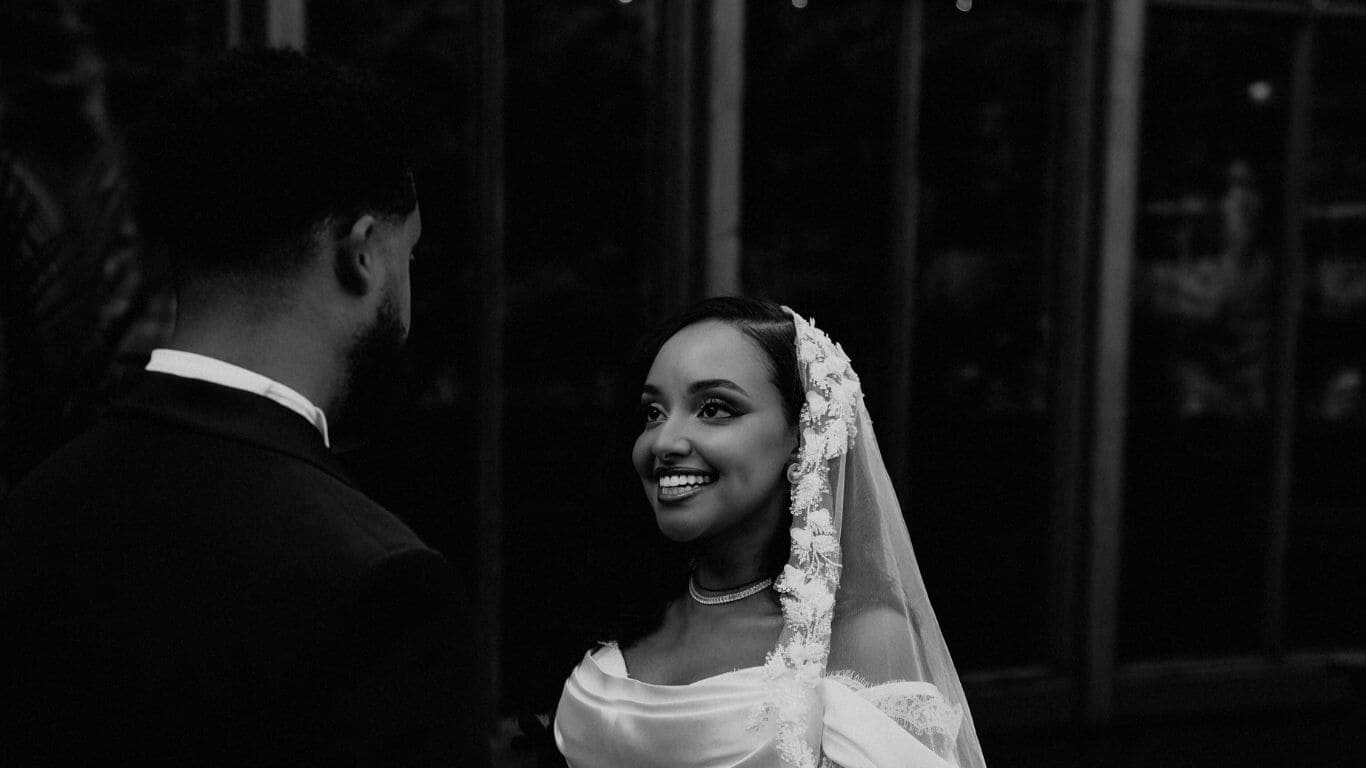
A civil wedding in Uganda is usually straightforward, structured, and focused on the legal union rather than ceremony-heavy traditions. Once the paperwork is complete and the date is set, the couple simply shows up ready to formalize the marriage.
Here’s how the day typically unfolds:
- Arrival at the registrar’s office at the scheduled time, usually between Monday and Friday
- Verification of documents to confirm identity, eligibility, and completion of the notice period
- Presence of two adult witnesses, who must also present valid identification
- Marriage proceedings begin, led by the registrar, in a formal but simple setting
- Exchange of consent and vows, where both parties confirm their willingness to marry
- Signing of the marriage register and documents by the couple and witnesses
- Pronouncement of marriage, officially declaring the couple legally married
- Issuance of the marriage certificate, usually immediately or shortly after completion
- Short, informal celebration, often with photos and close family or friends
Despite its legal structure, many couples describe the experience as surprisingly emotional in its simplicity. There’s no long program or heavy ritual—just a clear moment where everything becomes official.
In some cases, couples personalize the experience slightly with brief vows or symbolic gestures, but the core process remains the same: consent, documentation, and legal recognition.
For many, especially cross-border or interfaith couples, this format removes pressure and makes the process more practical while still feeling meaningful.
Once the civil ceremony is done, some couples choose to stop there. Others take it a step further and convert or combine it with customary marriage traditions—depending on culture, family expectations, or personal preference.
Converting Customary Marriage to Civil Marriage
In Uganda, many couples start with a customary marriage and later decide to formalize it under civil law. This is allowed, but it doesn’t happen automatically. There are specific conditions that must be met before any conversion can take place.
First, the customary marriage must have been properly registered with the Sub-County Chief or Town Clerk within six months of the ceremony. This registration is important because it’s what legally confirms that the customary union exists in the eyes of the state. Without it, conversion becomes difficult or invalid.
Another key requirement is that the marriage must be clean in legal terms. That means neither party should be in another active marriage—whether civil, church, or customary with someone else. The law is strict on this. If there is any existing monogamous marriage that has not been dissolved, or overlapping customary unions, the conversion is considered invalid.
Once these conditions are met, the couple can proceed to the registrar’s office with all standard civil marriage requirements. The process then mirrors a normal civil marriage: submission of documents, verification, and a formal ceremony before a registrar. After approval, the civil marriage certificate is issued.
Couples usually choose to convert for practical reasons. Some want stronger legal protection, clearer documentation for property or immigration matters, or simply a more standardized record of their union. Others do it to align with religious expectations or to simplify family and legal arrangements going forward.
One important thing to note is that certain legal restrictions still apply. For example, marriages involving individuals in a subsisting monogamous union cannot be converted, and Islamic marriages follow their own legal framework under separate law. These boundaries are what keep the system structured and legally consistent.
In the end, conversion is less about replacing culture and more about formalizing it within a legal system that gives the marriage clearer recognition and protection.
Final Thoughts
Civil marriage sits at the legal core of how marriages are recognized in Uganda. It’s the version that gives you paperwork, protection, and official status without ambiguity.
That said, it doesn’t replace culture or religion. For most couples, it exists alongside customary and religious traditions, not in opposition to them.
At the end of the day, the choice comes down to what matters most to you as a couple: clarity in the law, what your budget can handle, and how you want your long-term life together to be structured.