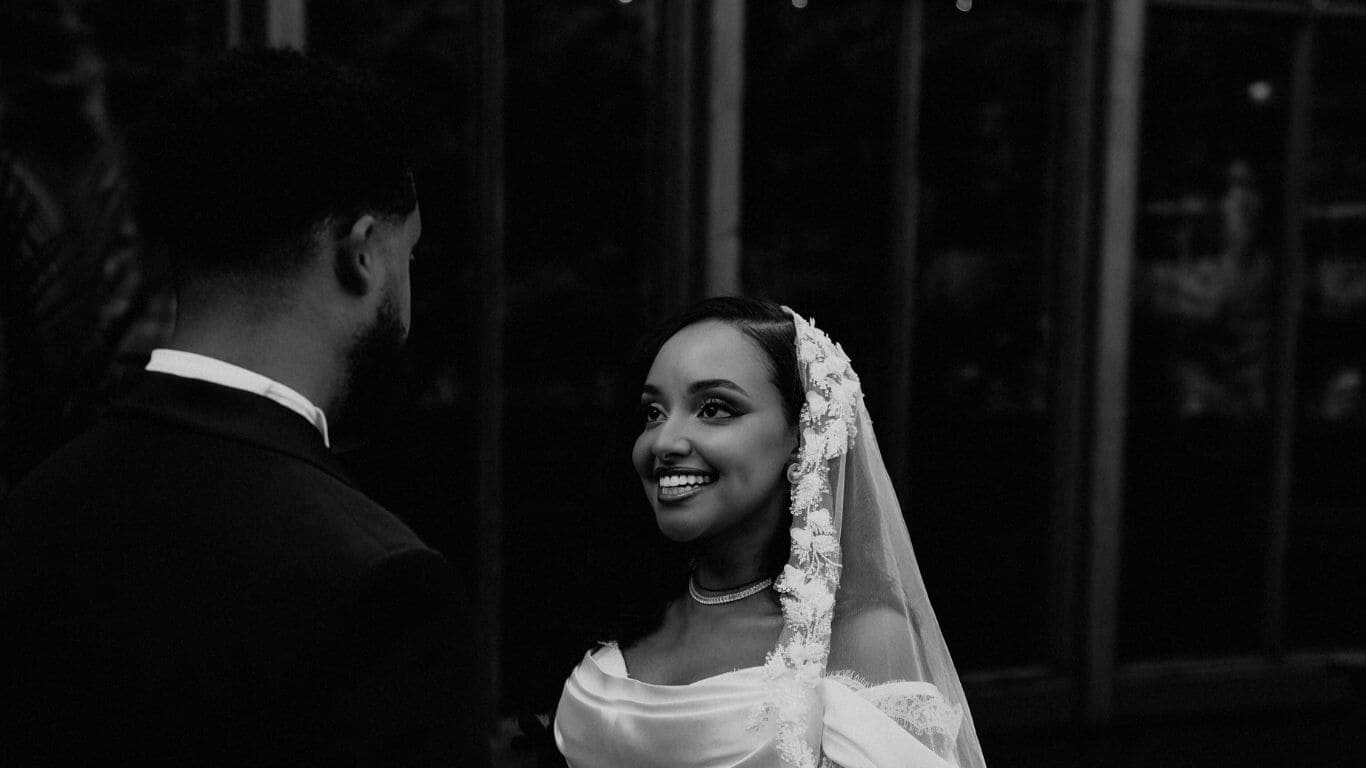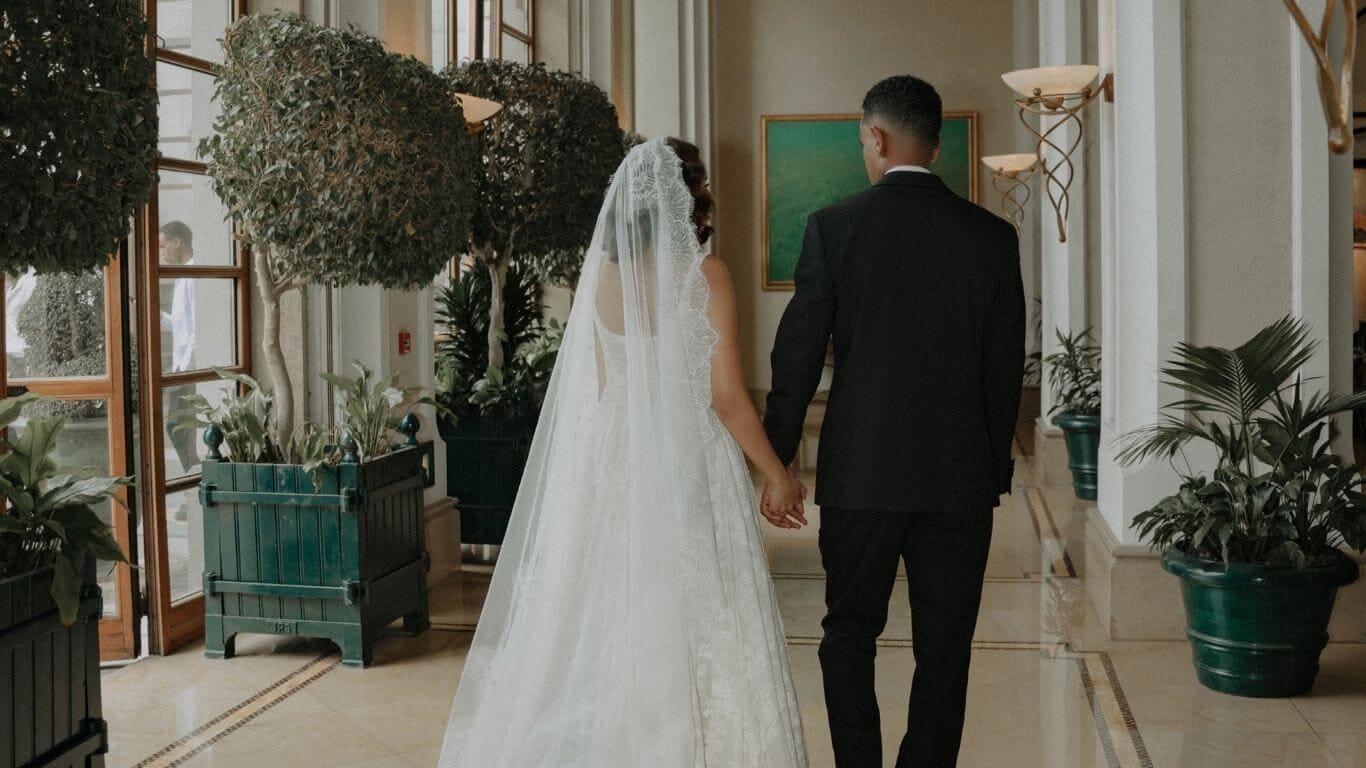
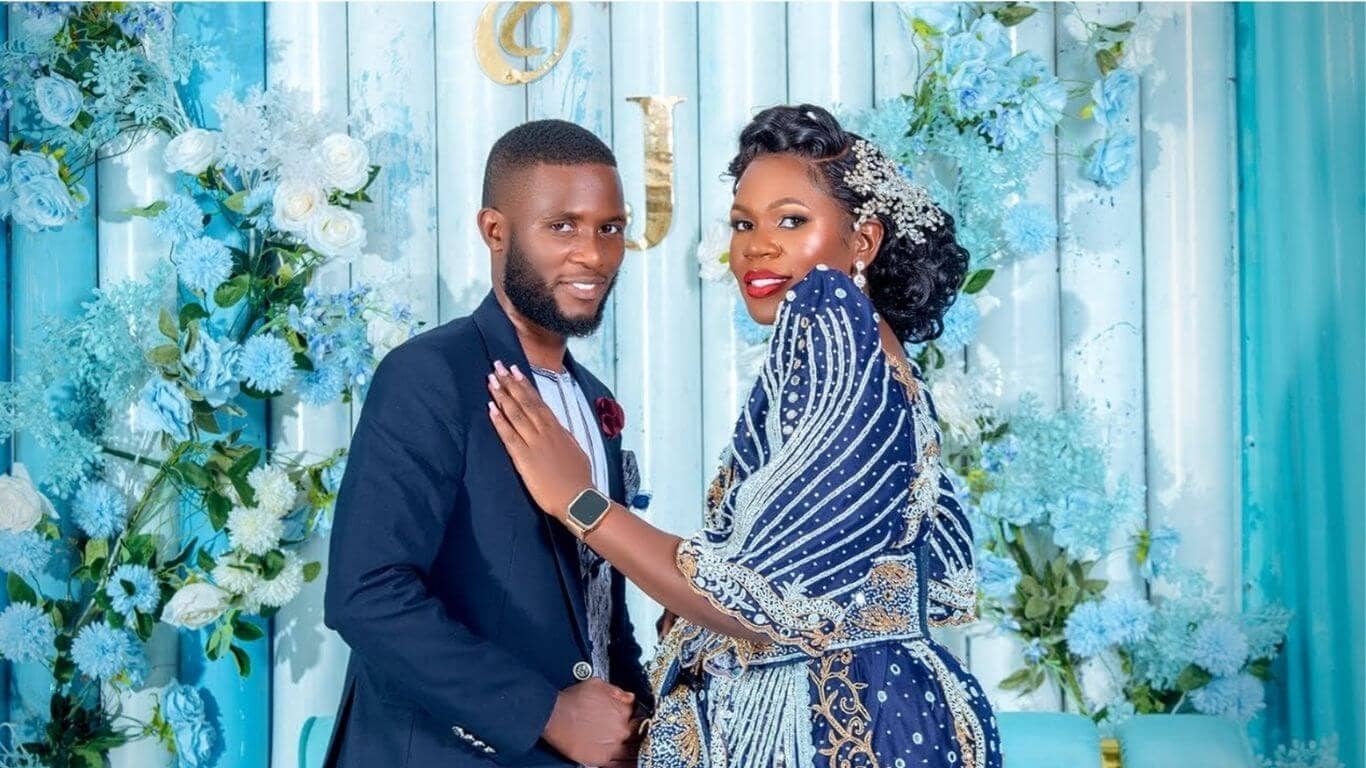
Kwanjula and Kuhingira are the core traditional ceremonies that define a Ugandan wedding, where families meet, negotiate, and formally approve the union.
Weddings in Uganda are layered, not one-size-fits-all. You’ll find different types of marriages recognized across the country, from traditional/customary unions to civil or court weddings, religious ceremonies in churches and mosques, and even Hindu marriages. Most couples don’t stick to just one. It’s common to combine them, moving from cultural rites to a church or civil ceremony and then a full reception. That mix is what gives Ugandan weddings their structure and depth.
At the center of it all is a strong culture of inclusivity. Weddings are not private events for a small circle. They are open, social, and often large, with extended family, friends, neighbors, and entire communities showing up. It’s not unusual for guest lists to stretch far beyond the couple’s immediate circle. Everyone has a role, whether it’s organizing, contributing, or simply showing up to celebrate.
Gift-giving is also a big part of the experience. It goes beyond formality and carries meaning. Families exchange gifts as part of the marriage process, and guests often bring items that range from practical household goods to symbolic offerings. In many traditional settings, these gifts are presented in a ceremonial way, sometimes carried in by members of the groom’s family, reinforcing the idea that marriage is built on shared support and contribution.
But before any reception or formal ceremony takes place, there are traditional rites that truly define the wedding. This is where Kwanjula and Kuhingira come in. These ceremonies set the foundation, bringing families together, formalizing intentions, and marking the transition into marriage. To understand how weddings in Uganda really work, you have to start here.

What’s the meaning of Kwanjula?
Kwanjula, from the Luganda word “okwanjula,” meaning “to introduce,” is the traditional ceremony where a relationship is brought out of private life and formally presented to family and clan. At its core, it’s not just about a couple announcing they want to marry. It’s about making that intention known, accepted, and recognized within a wider social and cultural structure.
In the Kiganda understanding of marriage, a union is never just between two individuals. It’s a connection between families and, in many cases, entire clans. That’s where Kwanjula gets its weight. Historically, it was the moment where alliances were confirmed, relationships between families were established, and the foundation of marriage was publicly agreed on. Even today, that meaning hasn’t changed. Without Kwanjula, a marriage can feel incomplete in many Ugandan communities.
It also carries a strong sense of formality and approval. The groom’s family doesn’t just show up casually. They come with intention, represented by elders or appointed spokespersons who speak on their behalf. The visit itself is a sign of respect, and the process that follows signals seriousness, commitment, and readiness to be part of the bride’s family. Once accepted, the relationship is no longer just between the couple; it becomes something both families stand behind.
At a deeper level, Kwanjula is about recognition and belonging. It marks the point where both sides acknowledge the union, not privately, but openly and culturally. It’s the bridge between courtship and marriage, and in many ways, it’s what turns a relationship into something officially grounded within Ugandan tradition.
What is Kuhingira?
If Kwanjula is about introduction and acceptance, Kuhingira is about transition. Where Kwanjula formally brings both families together and confirms the relationship, Kuhingira takes it a step further by symbolically handing the bride over to the groom’s family.
Kuhingira is commonly practiced in western Uganda, especially among the Banyankole and related communities. It represents the moment the bride leaves her family’s household and is entrusted to her husband’s side. This isn’t done casually. It’s guided by elders and shaped by customs that emphasize responsibility, continuity, and respect between families.
The meaning behind it is simple but deep. It marks a shift, not just in relationship status, but in belonging. The bride is no longer just part of her father’s home. She is now being welcomed into a new family, with expectations, roles, and support systems that come with it. That’s why the ceremony carries a strong emotional and cultural weight.
While not every Ugandan wedding includes Kuhingira, where it is practiced, it serves as a defining moment in the marriage process. It completes what Kwanjula begins, moving the union from agreement and recognition into actual transition and integration between families.

What happens during a Kwanjula ceremony?
A Kwanjula is not a quick formality. It’s a structured, cultural event that blends protocol, symbolism, and celebration into one experience. It usually takes place at the bride’s family home or a prepared venue, and everything is carefully coordinated, from how guests arrive to how conversations are held. At a glance, it may look like a celebration, but underneath it, there’s a clear order guiding every moment.
The day begins with the arrival of the groom’s delegation. He doesn’t come alone. He arrives with a group of family members, friends, and representatives, often dressed in traditional attire like kanzu or gomesi, depending on gender and role. They don’t walk straight in. They wait to be received. A spokesman from the groom’s side formally requests entry, and once permission is granted, they are welcomed and escorted to their place. That moment alone sets the tone. Respect, order, and intention.
From there, the ceremony is led almost entirely by appointed speakers and elders. The groom himself, known as the muko, does not speak during the formal proceedings. His spokesman, often called the omwogezi, represents him and his family, handling communication, introductions, and responses. On the bride’s side, figures like the ssenga (paternal aunt) and senior male relatives guide the process, ensuring everything follows cultural expectations. The exchange is not casual. It often includes storytelling, proverbs, and carefully worded dialogue that reflects respect and cultural understanding.
As the ceremony unfolds, it becomes both interactive and symbolic. There are moments of presentation, where gifts are acknowledged, and moments of performance, where music, dancing, and dramatic elements come in. The bride is not immediately visible. Her appearance is staged, often revealed later in the ceremony in a way that builds anticipation and excitement. The atmosphere shifts between formal negotiation and lively celebration, and both sides are actively involved.
At its core, what’s happening during Kwanjula is simple but significant. The groom’s family is formally stating their intention, the bride’s family is assessing and responding, and both sides are working toward acceptance. Once that acceptance is given, the relationship is no longer private. It becomes publicly recognized and culturally grounded. In some cases, especially depending on region and tradition, this moment may flow into or be followed by ceremonies like Kuhingira, which take the process further by symbolically transitioning the bride into her new family.
Step-by-Step Process of a Kwanjula Ceremony
The kwanjula follows a clear cultural sequence that has been passed down for generations. While families may adjust small details depending on region or preference, the structure itself remains largely consistent, guiding the ceremony from arrival to acceptance and celebration.
Step 1: Arrival and the Gate
The groom’s delegation arrives at the bride’s home and is first stopped at the entrance. Entry is not automatic. The bride’s side sends representatives to ask who has come and why.
The groom’s spokesperson answers formally, explaining their purpose and requesting permission to enter. In many cases, a gate fee is negotiated before access is granted. Once accepted, the group is welcomed in and directed to their seating area.
Step 2: Seating and Formal Welcome
Both families are seated on opposite sides, creating a structured and intentional layout. The groom’s side sits together as a delegation, while the bride’s family occupies their side as hosts.
A formal welcome follows, often with drinks and light refreshments. This moment sets the tone for the exchanges that will follow.
Step 3: Introduction of the Delegations
The groom’s spokesperson rises and introduces every member of his team—names, relationships, and family roles included. The bride’s side responds with their own introductions.
This is more than formality. It confirms identity, clan connections, and ensures both families are properly represented before proceedings continue.
Step 4: Statement of Purpose
The groom’s side then clearly states their reason for coming. In traditional style, the message is often delivered through metaphor and respectful language, referring to the bride in symbolic terms.
The bride’s family responds with acknowledgement, sometimes asking questions or engaging in light, formal exchange before allowing the process to continue.
Step 5: Presentation of Gifts
This is one of the most anticipated parts of the ceremony. The groom’s delegation presents items that were agreed upon beforehand.
These are brought forward and announced one by one before the bride’s family:
- Gifts for parents and close relatives
- Items for elders and key family members
- Household goods and symbolic cultural items
- Food items are shared among the wider family
- The formal bride price (omutwalo), presented as agreed
Each item is publicly received, checked, and acknowledged by the bride’s side before moving forward.
Step 6: Identification of the Bride (Okulaba Omuwala)
Here, the groom is presented with a group of women dressed alike and asked to identify his bride. It’s a light, playful moment designed to engage both families and the guests.
After a few attempts and much laughter, he eventually identifies her correctly. Once confirmed, she is formally presented to her family and receives blessings from her father or senior male relative.
Step 7: Acceptance of the Union
The bride is asked to confirm her acceptance of the groom and the union. This moment formally seals the agreement between both families.
Her response is received with celebration and affirmation from both sides, marking a key transition in the ceremony.
Step 8: Blessings and Advice
Elders from both families step forward to offer blessings, guidance, and advice. These words often focus on respect, unity, patience, and the responsibilities of marriage.
Religious leaders may also offer prayers, depending on the family’s beliefs.
Step 9: Celebration
Once formalities are complete, the ceremony shifts into celebration. Music, dancing, food, and social interaction take over.
Traditional rhythms blend with modern music, and guests join in freely, marking the end of the formal process and the beginning of celebration.
Dress Code for Kwanjula
Kwanjula has one of the most defined dress codes in Ugandan wedding culture. It’s not casual, and it’s not flexible in the way modern events sometimes are. What people wear is part of the ceremony itself, and it signals respect, identity, and unity between families.
The bride wears a gomesi (busuuti) — a long, flowing traditional dress known for its structured silhouette, pointed shoulders, square neckline, and a wide sash tied at the waist. It’s elegant but also symbolic, marking her formal presentation to both families. The choice of fabric is usually intentional and discussed with her ssenga, who often helps guide the final look.
Fabric choices vary depending on budget and preference:
- Silk or brocade for a more formal, high-end finish
- Cotton blends (kitenge) for colour and comfort
- Kente-inspired fabrics for bold, modern cultural expression
Most brides change outfits during the day, usually starting with a gomesi for the main ceremony and switching to a different outfit for the reception. Footwear is typically flat or low-heeled, since the bride spends a lot of time kneeling during key moments.
The groom wears a kanzu, a long white tunic that falls to the ankles, usually paired with a tailored suit jacket. The look is simple but intentional. Cleanliness, fit, and presentation matter. A poorly fitted kanzu is seen as careless and reflects poorly on the groom’s preparation.
His entourage follows a coordinated theme. Men wear kanzu with matching jackets, while women in the delegation wear gomesi in agreed colours. The bride’s family also dresses in coordinated attire, usually in a different colour scheme to distinguish both sides. The ssenga’s gomesi is often the most detailed and visually striking.
Wedding dress for Kuhingira
In Kuhingira, dress codes are usually less structured but still respectful. The bride may wear a gomesi or another traditional outfit, depending on the region. At the same time, the focus shifts more toward the symbolic “handing over” moment rather than strict visual coordination like in Kwanjula.
Kwanjula Gifts and the Traditional List
Gifts in Kwanjula are not random or symbolic in a loose sense. They are structured, expected, and carefully prepared in advance based on what the bride’s family requests. Everything follows a list, and that list becomes the guide for what is presented on the day.
At its core, gifting is about respect and formal acceptance between families. It is also one of the clearest ways the groom’s family demonstrates readiness to take responsibility for the union.
The items presented usually fall into clear categories:
- Food items such as matooke, rice, sugar, flour, and beverages
- Traditional items that carry cultural meaning, depending on the family
- Household goods requested for specific relatives
- Envelopes or formal gifts for elders and key family members
- The bride price (omutwalo), presented separately as agreed
Each item is announced as it is presented. Nothing is done quietly or casually. The bride’s family listens, inspects, and acknowledges every part of the list before moving forward.
Women from the groom’s side often carry baskets of gifts in a traditional display, sometimes balancing them on their heads as part of the cultural presentation. It’s both practical and ceremonial, showing preparation and unity within the delegation.
What matters most is not just what is given, but how it is given. In Kwanjula, gifts are a language. They communicate intention, respect, and seriousness.
While Kuhingira may also involve symbolic presentations in some regions, the structured “list culture” is most strongly associated with Kwanjula, where every item has meaning, and every detail is accounted for before acceptance is granted.
@bb.nambi.event.planners simple budget for kwanjula home side
♬ original sound – BAANA BA NAMBI EVENT PLANNERS
Cost of Kwanjula
Kwanjula is one of the most culturally important ceremonies in Uganda, and it also comes with one of the most flexible budgets. The total cost depends heavily on family expectations, location, guest numbers, and how elaborate the ceremony is planned to be.
On average, a Kwanjula can start from around UGX 1,000,000 for smaller, more controlled ceremonies and go up to UGX 10,000,000+ for more traditional or large-scale setups. In more elaborate planning estimates, especially for urban or highly organised ceremonies, budgets can reach anywhere between UGX 4,500,000 – 24,000,000+, depending on scale and expectations.
The bride’s side often carries the larger share of planning costs. These typically include:
- Bride price arrangements (mutwalo)
- Traditional attire for the bride and close family members
- Catering for guests
- Decor and venue setup
- Gifts and logistics for hosting the groom’s delegation
The groom’s side also contributes significantly, especially through the preparation of gifts, transport, attire for the entourage, and the coordination of the official delegation.
While Kwanjula is the main financial and cultural focus, Kuhingira can add additional costs depending on how it is structured. In some families, Kuhingira is a separate ceremony with its own venue, attire, and celebration, while in others it is merged into broader wedding arrangements. This means additional spending may come from transport, gifts, attire changes, or hosting requirements tied to the “handover” moment.
What matters most is not just the total figure, but how well both families align on expectations early. Most budget surprises happen when details are not discussed in advance.
Tips for a Smooth Kwanjula
A well-run Kwanjula is rarely accidental. It’s the result of preparation, communication, and understanding how the ceremony actually works. When both families are aligned, the day flows naturally.
Start with the guest list early.
Both families should agree on numbers ahead of time. Once confirmed, invitations should go out at least two weeks before the ceremony to allow proper planning on both sides.
Get seating right.
Elders and senior family members should be given priority seating at the front. Seating should reflect age, status, and family hierarchy, with clear space for both sides of the ceremony.
Dress with intention.
The bride’s gomesi should align with the chosen family theme, while the groom’s kanzu and jacket should be clean, well-fitted, and coordinated with his entourage. Presentation is part of the ceremony.
Finalise the gift list early.
The full list from the bride’s family should be confirmed and understood well in advance. Nothing on that list should be debated or changed on the day of the ceremony.
Choose a strong MC (Omwogezi).
A knowledgeable spokesperson is essential. The omwogezi should understand cultural language, ceremony flow, and how to guide guests who may not be familiar with the traditions.
Decorate with meaning.
Use colours, fabrics, or cultural symbols that reflect the families involved. The setup should feel respectful, not overly commercial. The focus is on culture, not display.
@bb.nambi.event.planners Baana ba nambi on mic
♬ original sound – BAANA BA NAMBI EVENT PLANNERS
Conclusion
Kwanjula stands at the centre of Ugandan traditional marriage. It is the moment where families formally meet, traditions are activated, and marriage is publicly acknowledged in a deeply cultural way. Everything about it, from the structure to the speeches to the gifts, reflects a system built on respect, unity, and family connection.
Kuhingira, while often connected to it, sits slightly differently in the cultural journey. It reflects transition and completion in some communities, but Kwanjula remains the defining ceremony that brings everything together. Understanding it gives you a clear view of how Ugandan marriages are built, not just celebrated.