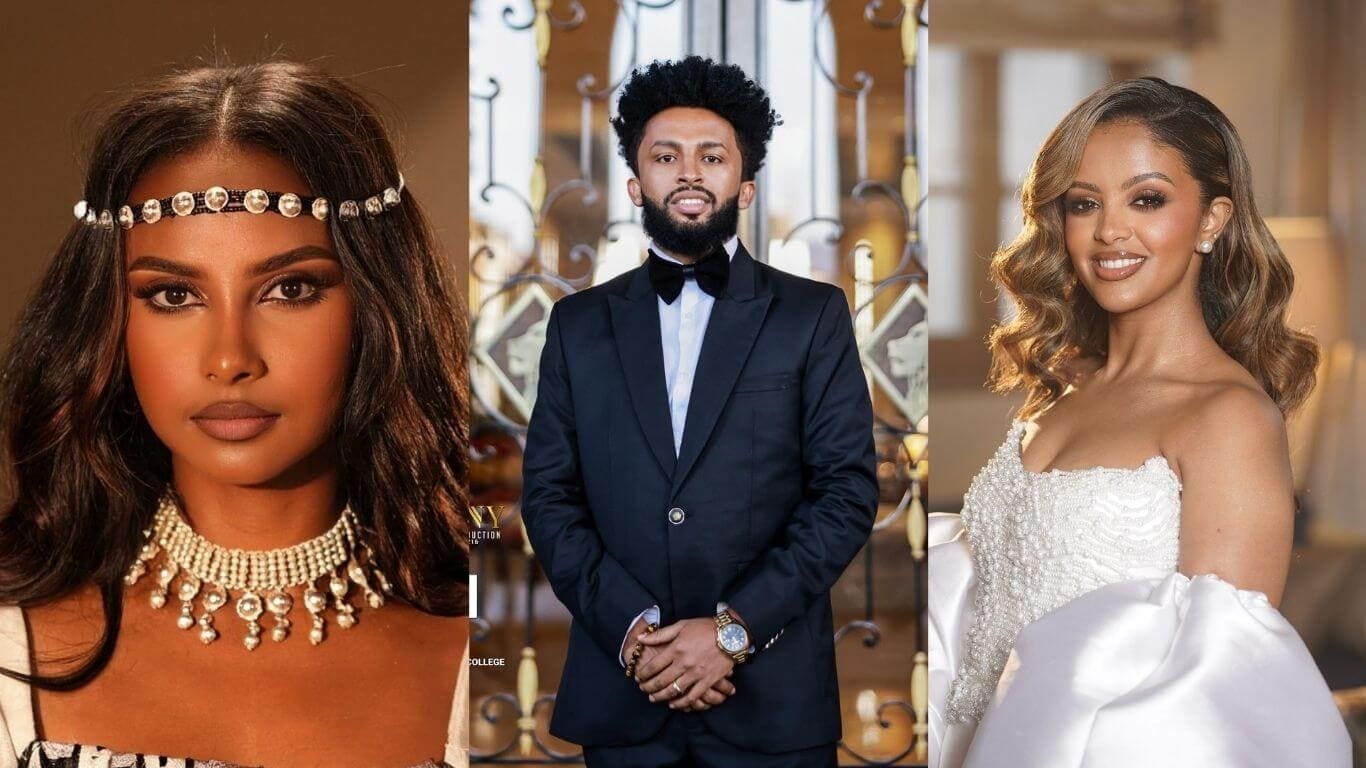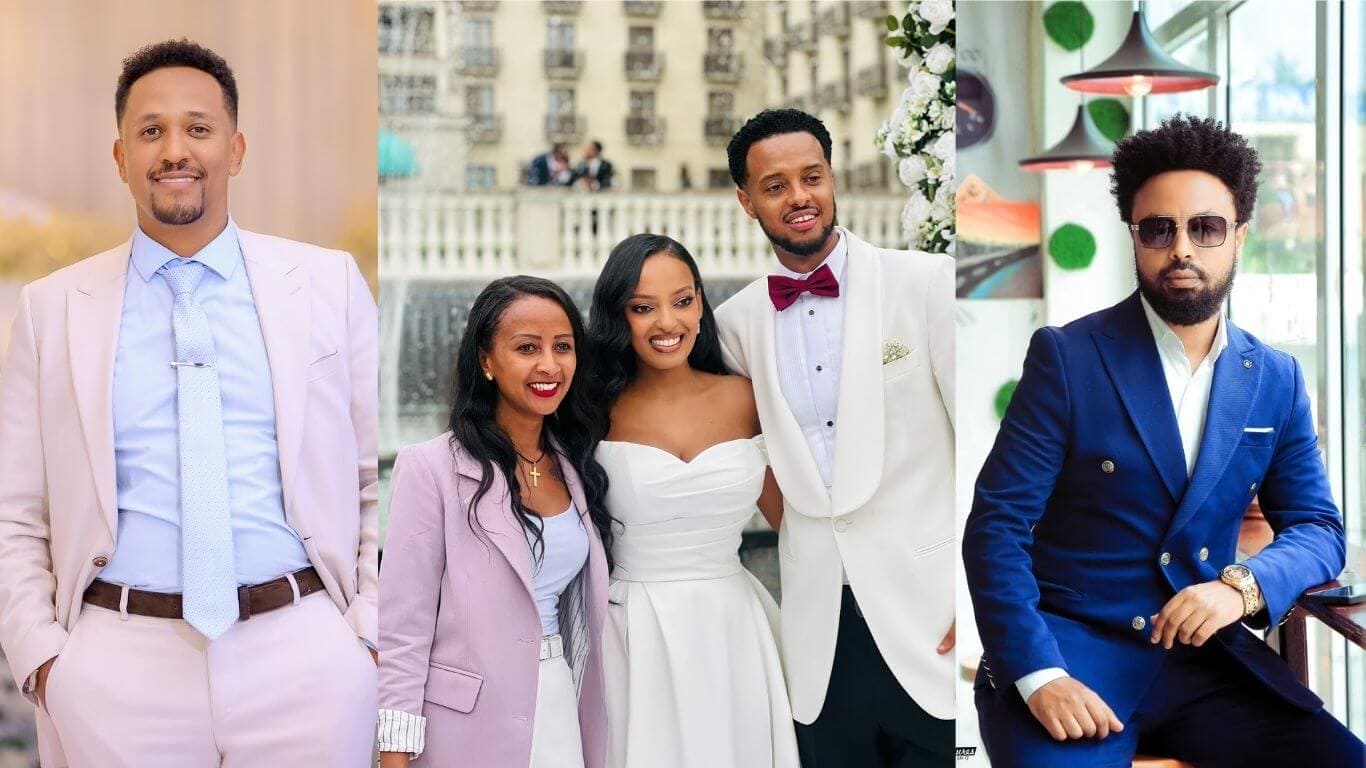
Ugandan weddings are vibrant, often multi-day celebrations centered on family, community, and rich traditions like Kwanjula and Kuhingira.
Uganda sits quietly in East Africa, but when it comes to weddings, it stands out in a way that’s hard to ignore. With its lush landscapes, vibrant cities, and strong cultural identity, it has become an easy choice for destination weddings, especially for couples who want something that feels both meaningful and visually rich. Compared to other East African countries, weddings in Uganda often feel more layered, shaped not just by style but by culture, family, and tradition.
What makes weddings here unique is how naturally they blend the old with the new. You’ll find deeply rooted ceremonies happening alongside modern receptions, styled venues, and well-planned timelines. A couple might start with a traditional introduction, move into a civil or religious ceremony, and end with a full celebration that brings everything together. Each part has its place, and nothing feels random.
At the center of it all is community. Weddings in Uganda are not just about the couple. They involve families, extended relatives, and cultural expectations that influence how things are done. From traditions like Kwanjula to conversations around bride price, every step carries meaning and reflects something bigger than the event itself.
In this guide, you’ll get a clear picture of how weddings in Uganda actually work. We’ll cover the traditions and cultural practices, what it typically costs to get married, the legal side of things, the different types of weddings you can have, and how to plan everything from start to finish. Whether you’re a couple planning your wedding, a guest trying to understand what to expect, or someone considering Uganda as a destination, this will help you make sense of it all.

Overview of Weddings in Uganda
To understand how weddings in Uganda work today, it helps to look at how they are structured and how they’ve evolved over time.
Weddings here are colorful in every sense of the word. From the clothing and the mix of cultures to the dramatic moments like the reveal of the bride and groom, there’s always a sense of excitement running through the entire experience. This is even more noticeable today with the rise of interracial and cross-cultural marriages, where different traditions are often blended into one celebration.
In the past, marriages were largely arranged by family elders, with strong emphasis on relationships between families and social standing. Young people had limited interaction before marriage, and unions were carefully guided by tradition. While that has changed over time, the influence of family has not disappeared. Weddings are still seen as a union between families, not just individuals.
Another thing that stands out is the scale. Small, quiet weddings have never really been the norm. Ugandan weddings are lively, expressive, and open. Friends, relatives, and even extended networks are often part of the celebration. There is singing, cheering, and a level of energy that makes the entire event feel alive from start to finish.
Today, weddings in Uganda generally fall into a few main types. There are traditional weddings, civil or court weddings, religious ceremonies, and destination weddings. Most couples combine two or more of these, creating a multi-stage celebration that reflects both personal choice and cultural expectations. A typical flow might start with family introductions, move into formal ceremonies, and end with a large reception.
At every stage, family and culture play a defining role. Each ethnic group brings its own customs and variations, but the purpose is shared. Weddings are about connection, identity, and continuity. They are personal but also deeply communal.
To fully appreciate how all of this comes together, it’s worth taking a closer look at the traditions and cultural practices that shape weddings in Uganda.

Ugandan Wedding Traditions & Culture
Weddings in Uganda are built on culture. Not in a surface-level way, but in a way that shapes every step of the process. From the first family introductions to the final celebration, each stage carries meaning, and most of it goes beyond the couple. It’s about families, clans, identity, and respect.
While modern weddings have introduced new styles and influences, the foundation is still deeply traditional. Whether you’re attending a wedding or planning one, understanding these cultural elements makes everything else easier to follow.
Ugandan Pre-Wedding Traditions
Before any ceremony takes place, there’s a process that happens behind the scenes, and it matters just as much as the wedding itself.
In Uganda, couples are free to choose their partners, but family approval is essential. In many cases, especially for religious weddings, both families must agree before anything moves forward. There are also cultural considerations like religion and clan, where families may ensure the couple is not from the same lineage.
One of the most important steps is the formal introduction between families. This is not just a visit. It’s structured, intentional, and often led by elders who understand the customs and expectations. There’s usually a level of “background checking” to ensure compatibility between the families, not just the couple.
At this stage, the tone of the entire marriage is set. Respect, communication, and alignment between families are established early.
The Bride Price (Dowry)
The bride price is one of the most recognized parts of Ugandan wedding culture, and it carries deep meaning.
It is not simply a payment for marriage. It is a gesture of appreciation and respect to the bride’s family. Traditionally, it includes items like money, livestock such as cows or goats, and other gifts, depending on the family and region.
The process itself often involves negotiation, led by elders from both families. These discussions are usually respectful and sometimes symbolic, involving proverbs, storytelling, and cultural expressions that reflect wisdom and tradition.
The bride price represents more than value. It acknowledges that the bride is joining a new family while honoring the one she comes from. It also reinforces the idea that marriage is a union between families, not just individuals.
The Kwanjula Ceremony
Kwanjula, often referred to as the introduction ceremony, is one of the most important and visually rich parts of a Ugandan wedding.
During this ceremony, the groom and his family formally visit the bride’s home to seek permission for marriage. The process is guided by an appointed spokesperson, usually an elder, who communicates on behalf of the groom’s family.
The ceremony is structured but lively. There is music, dancing, clapping, and moments of performance, including the symbolic search for the bride, where she is revealed among a group of women. It’s both formal and celebratory at the same time.
There are also symbolic gestures throughout the event. For example, the bride’s family may present roasted coffee as a sign of welcome and unity, while gifts are exchanged to strengthen the bond between both families.
Kwanjula is not just an introduction. It is a public acknowledgment of the relationship and a key step in bringing both families together.

A Typical Traditional Wedding in Uganda
A traditional wedding in Uganda is not a single event. It’s a full experience, often spread across multiple stages.
It usually begins with family introductions and negotiations, followed by ceremonies like Kwanjula, and then a religious or civil wedding, if the couple chooses. Each stage builds on the previous one, creating a complete journey rather than a one-day event.
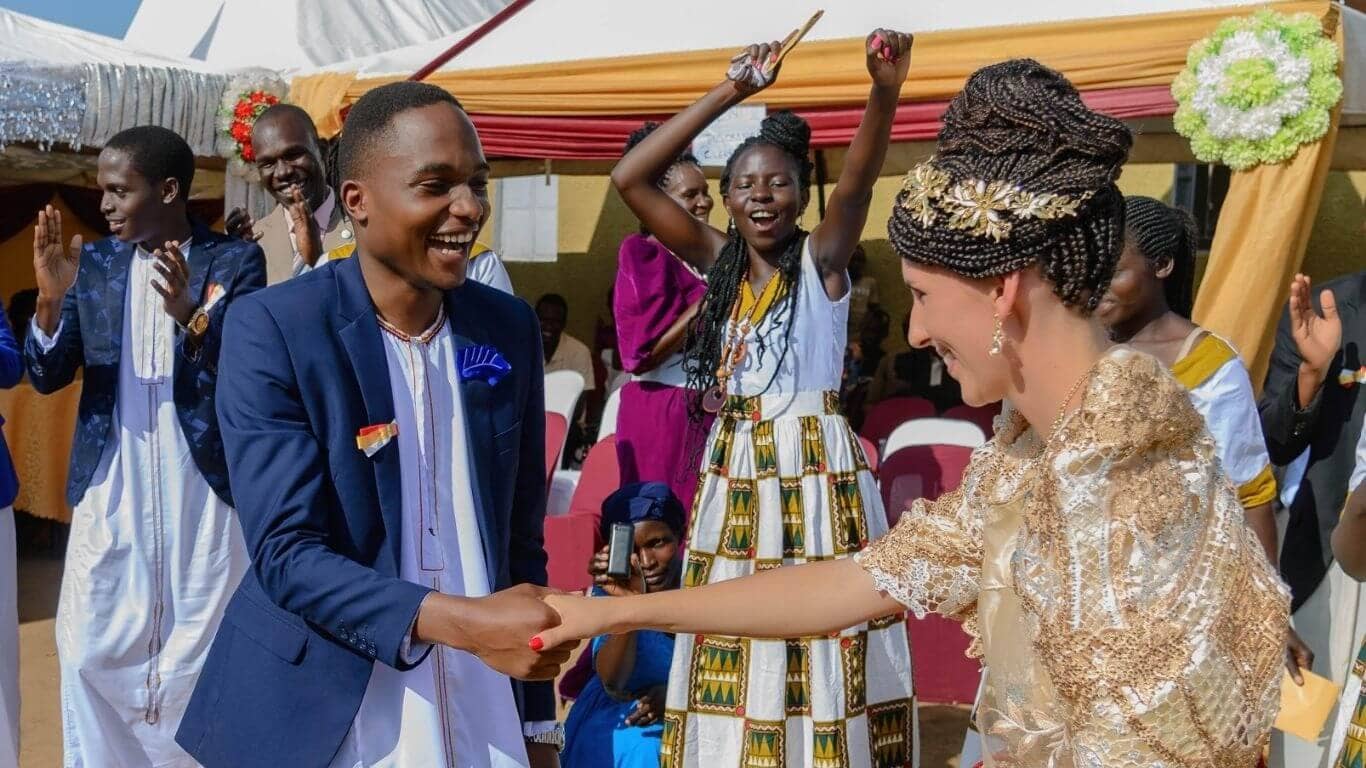
On the wedding day itself, the atmosphere is lively and expressive. Guests are actively involved, often dancing their way to greet the couple. Music plays throughout, blending traditional sounds with modern influences.
There are also unique customs that stand out. Public displays of affection are minimal, with couples showing respect through more subtle gestures. In some traditions, the groom may share a private meal with close members of his party, served by the bride’s family.
The celebration typically includes a large feast with local dishes like matooke, rice, vegetables, and meat. Cake is often served before the main meal, which is different from what many people are used to.
Even after the wedding, traditions continue. Rituals like okunabbya omugole, where the couple participates in a symbolic cleansing process, mark the transition into married life.
Ugandan Traditional Wedding Attire
What people wear at a Ugandan wedding is not just about style. It reflects culture, identity, and status.
For brides, the traditional outfit is the gomesi. It’s a brightly colored, floor-length dress made from fabrics like silk or cotton, with puffed sleeves and a structured neckline. It is tied at the waist with a sash and often styled in different ways throughout the day, as some brides change outfits multiple times.
Grooms typically wear a kanzu, a long tunic that is usually white or cream. It often features detailed embroidery, especially around the collar and chest area, and is paired with a kofia, a brimless cap that completes the look.
Guests also dress with intention. Women may wear a suuka or a busuti, while men often combine a kanzu with a suit jacket. The overall look is colorful, coordinated, and reflective of the celebration.
Attire in Ugandan weddings is more than appearance. It connects people to their culture and adds to the visual richness of the entire event.
Ugandan wedding traditions are diverse, with each ethnic group bringing its own variations and customs. But across all of them, the core idea remains the same. Weddings are about unity, respect, and community.

Cost of Weddings in Uganda
Weddings in Uganda don’t follow one fixed price. What you spend depends heavily on your choices, your guest list, and how much you lean into tradition or luxury. You can have something very simple and intimate, or go all out with a full cultural and modern celebration. Most weddings fall somewhere in between.
At the lower end, a simple ceremony without a full reception can cost as little as 100,000 to 150,000 UGX, especially if the focus is just on completing the legal or religious process. On the other hand, a more complete wedding with a reception, decor, and a larger guest list typically starts around 7 million UGX and can go up to 17 million UGX or more.
To put this into perspective, a Ugandan couple, Mr. and Mrs. Ntulume, shared that they spent about 7 million UGX on their wedding, covering both the ceremony and celebration. On the higher side, it’s not unusual to see detailed budgets reach 15 million UGX or more for what many would consider a modest but well-organized wedding. Once you move into premium weddings with large guest counts and elaborate setups, costs can easily exceed 30 million UGX.
Key Cost Drivers
A few things consistently push wedding costs up in Uganda:
- Guest count – This is one of the biggest factors. More guests mean more food, larger venues, and higher overall spend.
- Venue – Hotels, gardens, and event centers vary widely in pricing depending on location and exclusivity.
- Catering – Food and drinks take up a significant portion of the budget, especially for large weddings.
- Decor and setup – From tents and lighting to floral arrangements, decor can quickly become one of the most expensive elements.
- Cake and extras – In some cases, cakes alone can cost millions depending on size and design.
- Vendors – Photography, videography, MCs, and planners all add to the total.
In many high-end weddings, decor and catering alone can take up the bulk of the budget.
Budget vs Luxury Weddings
A helpful way to look at it:
- Low-budget weddings: Under 10 million UGX, usually with 100 to 150 guests and simpler setups
- Mid-range weddings: Around 15 million to 30 million UGX, with 200 to 300 guests and more detailed planning
- Luxury weddings: 30 million UGX and above, often involving premium venues, elaborate decor, and large-scale celebrations
The difference is not just in spending, but in scale and experience.
The Impact of Bride Price
One cost unique to Ugandan weddings is the bride price, which is part of the traditional introduction ceremony. This can include money, livestock, and other gifts presented to the bride’s family.
The amount varies widely depending on the families involved. In some cases, it may be relatively moderate, but in others, it can significantly increase the overall cost of the wedding. There are instances where the bride price and related contributions alone run into tens of millions of shillings.
Because of this, the traditional aspect of the wedding is not just cultural. It’s also a financial consideration couples need to plan for early on.
Weddings in Uganda can be as simple or as elaborate as you want them to be, but understanding where the money goes makes it easier to plan realistically. From here, it’s important to also understand the legal side of getting married in Uganda and what is required to make the union official.
Legal Requirements & Marriage Laws in Uganda
Getting married in Uganda involves more than just planning a ceremony. There’s a legal side to it, and understanding how it works helps you avoid delays or complications, especially if you’re combining traditional and formal weddings.
One thing to keep in mind is that in Uganda, a wedding can be cultural, religious, or legal, and sometimes all three. What makes it officially recognized depends on the type of marriage and whether it has been properly registered.
Types of Legally Recognized Marriages
Uganda recognizes several forms of marriage, each with its own process and legal standing:
- Customary (Traditional) Marriage
This includes ceremonies like Kwanjula or Kuhingira. It involves family introductions, bride price, and following the customs of the bride’s tribe. For many families, this is the most important part of the marriage culturally. - Civil Marriage
Conducted at the office of the Registrar General or by a Chief Administrative Officer in various districts. This is a strictly legal, monogamous marriage and one of the most straightforward ways to formalize a union. - Religious (Church) Marriage
Held in churches such as Anglican or Catholic. These are also monogamous and legally recognized, especially since documents are signed during the ceremony. - Muslim Marriage (Sharia Law)
Conducted according to Islamic law. Unlike civil and church marriages, this allows a man to marry up to four wives. - Hindu or Buddhist Marriage
These are recognized when conducted according to the rites of those religions.
In many cases, couples combine a traditional wedding with either a civil or religious ceremony to cover both cultural and legal aspects.
Required Documents
While requirements can vary slightly depending on the type of marriage, most couples will need:
- Valid identification (national ID or passport)
- Birth certificates
- Passport-sized photos
- Proof of marital status (single, divorced, or widowed)
For religious weddings, churches or mosques may request additional documentation or counseling before the ceremony.
Civil/Court Wedding Process
A civil marriage is usually the simplest route legally.
It typically involves:
- Giving notice of marriage at a registry office
- Waiting for a specified period for approval
- Completing the ceremony before a registrar
Once completed, the marriage is officially recognized under Ugandan law.
Marriage Laws (Including Polygamy)
Marriage laws in Uganda depend on the type of union:
- Civil and church marriages are strictly monogamous
- Customary and Muslim marriages may allow polygamy, depending on the customs or religious rules involved
This distinction is important because the type of marriage you choose determines what is legally permitted.
Registration of Marriage
Regardless of how the wedding is conducted, marriages in Uganda are expected to be formally registered, usually through the National Identification and Registration Authority (NIRA) or relevant authorities.
Registration is what makes the union legally recognized, especially for documentation and future legal processes.
Foreigners Getting Married in Uganda
Foreigners can legally get married in Uganda, but the process may require additional steps.
This often includes:
- Proof that you are legally free to marry from your home country
- Valid travel documents
- Compliance with local registration procedures
It’s always a good idea to confirm requirements early, especially if you’re planning a destination wedding.
Citizenship by Marriage
Marriage to a Ugandan citizen can open a pathway to residency and eventually citizenship, but it is not automatic. It involves a formal application process and meeting specific legal requirements over time.
Understanding the legal side of weddings in Uganda helps you plan with clarity, especially when you’re combining traditional, religious, and civil elements.
Wedding Planning Basics in Uganda
Planning a wedding in Uganda requires balancing logistics with cultural expectations.
Basic Planning Timeline
Most couples start planning 6 to 12 months in advance, especially for larger weddings. This allows enough time to secure venues, vendors, and complete traditional requirements.
Key Vendors Needed
A typical wedding will involve:
- Wedding planner (optional but helpful)
- Decorator
- Caterer
- Photographer and videographer
- MC
- Makeup artist and hairstylist
When to Start Planning
The earlier you start, the better. Popular venues and vendors get booked quickly, especially during peak wedding seasons.
Common Mistakes
- Underestimating costs
- Leaving bookings too late
- Not aligning both families early
- Ignoring traditional requirements until the last minute
Good planning is what ties everything together, especially when multiple ceremonies are involved.

Wedding Venues & Vendors in Uganda
Where you host your wedding and the people you hire can shape the entire experience. Uganda offers a wide range of options, from structured city venues to scenic outdoor locations that feel like a destination on their own. Whether you’re planning something intimate or a large celebration, there’s enough variety to match different styles and budgets.
Popular Wedding Locations
While weddings can happen anywhere across the country, a few locations stand out because of accessibility, venue options, and overall experience:
- Kampala
The heart of most weddings in Uganda. It has the widest range of venues and vendors, from luxury hotels to purpose-built event centers. If you want convenience and options, this is usually the first choice. - Entebbe
Known for its calm atmosphere and proximity to Lake Victoria. It’s perfect for couples looking for a more relaxed, scenic setting, especially for waterfront or destination-style weddings. - Jinja
A great option for couples who want something slightly different. With the Nile and surrounding nature, it works well for outdoor and adventure-style weddings. - Mbarara
Popular in western Uganda, especially for traditional weddings. It offers a mix of cultural settings and modern venues. - Gulu
An emerging option in northern Uganda, ideal for more intimate weddings with a strong cultural feel.
Types of Wedding Venues
Uganda’s venue options are flexible, and your choice often depends on the kind of experience you want to create.
- Purpose-built event centers
Designed specifically for weddings and large gatherings. They’re practical, spacious, and often come with basic infrastructure like seating, lighting, and parking. - Hotels and resorts
A popular choice for convenience. Many hotels offer full wedding packages, including catering, accommodation, and coordination. - Garden venues
Ideal for outdoor weddings. These are common in both Kampala and Entebbe, offering greenery and a more relaxed atmosphere. - Waterfront and beach-style venues
Mostly found around Entebbe and along Lake Victoria. These give you a destination feel without leaving the country. - Safari and nature venues
For couples looking for something unique, some choose lodges or locations near national parks. These weddings feel more private and experience-driven.
Key Wedding Vendors
Beyond the venue, your vendors are what bring the wedding to life.
- Wedding planners help coordinate everything from start to finish
- Decorators handle the visual setup, from tents to floral design
- MCs keep the event flowing and engaging
- Photographers and videographers capture the moments
- Makeup artists and hairstylists prepare the bridal party
In Uganda, many weddings rely heavily on vendor coordination, especially when multiple ceremonies are involved. Choosing experienced vendors can make the difference between a stressful process and a smooth one.
The combination of the right location and the right team is what turns a wedding plan into an actual experience. Once those are in place, everything else becomes easier to manage.
Tips for Couples & Guests
A few practical tips can go a long way.
Cultural Etiquette
Respect for elders and family involvement is important. Understanding basic traditions helps you avoid awkward moments.
Budget Tips
Set a realistic budget early and prioritize what matters most. Guest count alone can significantly affect your spending.
Planning Advice
Start early, communicate clearly with both families, and stay flexible. Weddings in Uganda often involve moving parts, especially with traditional ceremonies.
What Guests Should Expect
Expect a lively atmosphere. Weddings are social, energetic, and often involve music, dancing, and large gatherings.
Conclusion
Weddings in Uganda are rich in culture, deeply rooted in tradition, and constantly evolving. They bring together family, community, and modern influences in a way that feels both meaningful and memorable.
If you’re planning a wedding or attending one, taking the time to understand how everything works makes the experience much smoother. And if you want to go deeper into any part of the process, from costs to venues to vendors, there’s always more to explore.
You can also find trusted vendors and resources to help bring your wedding to life through JanaTribe.