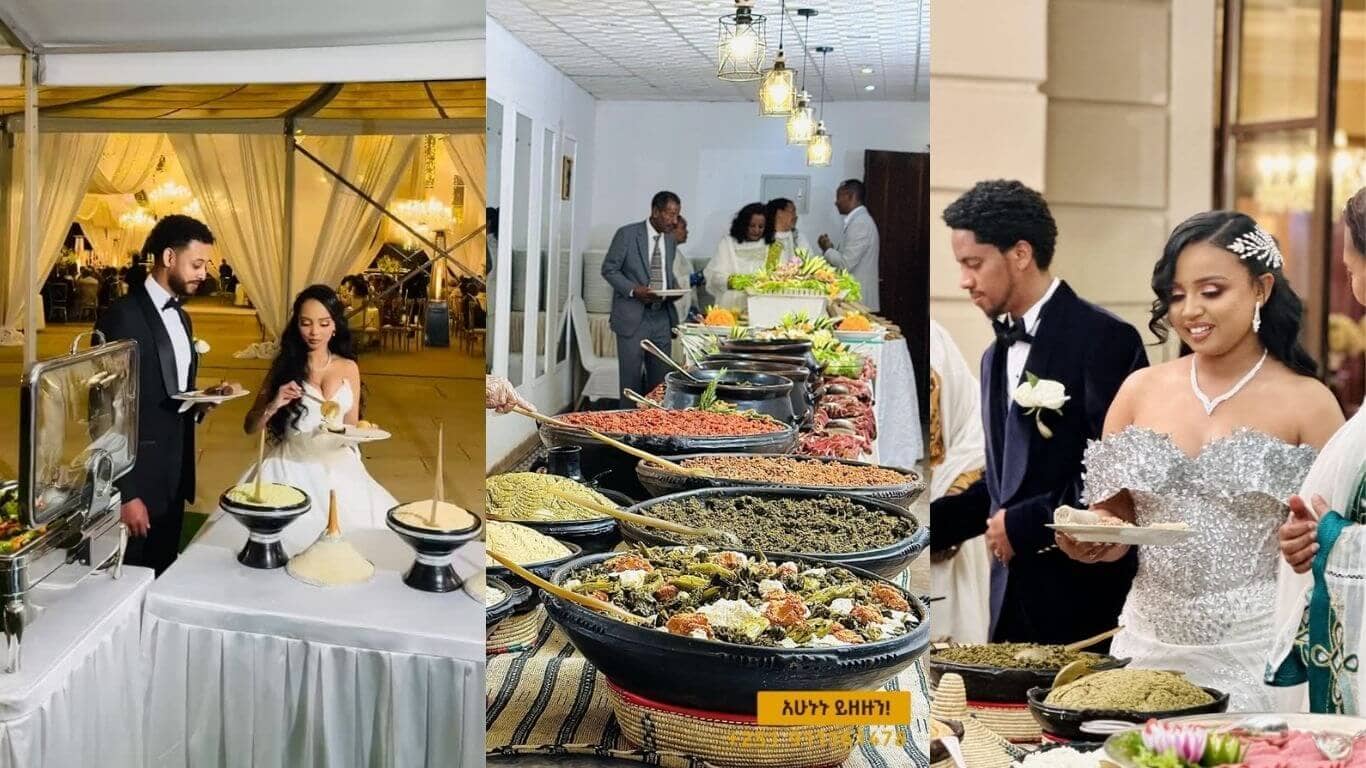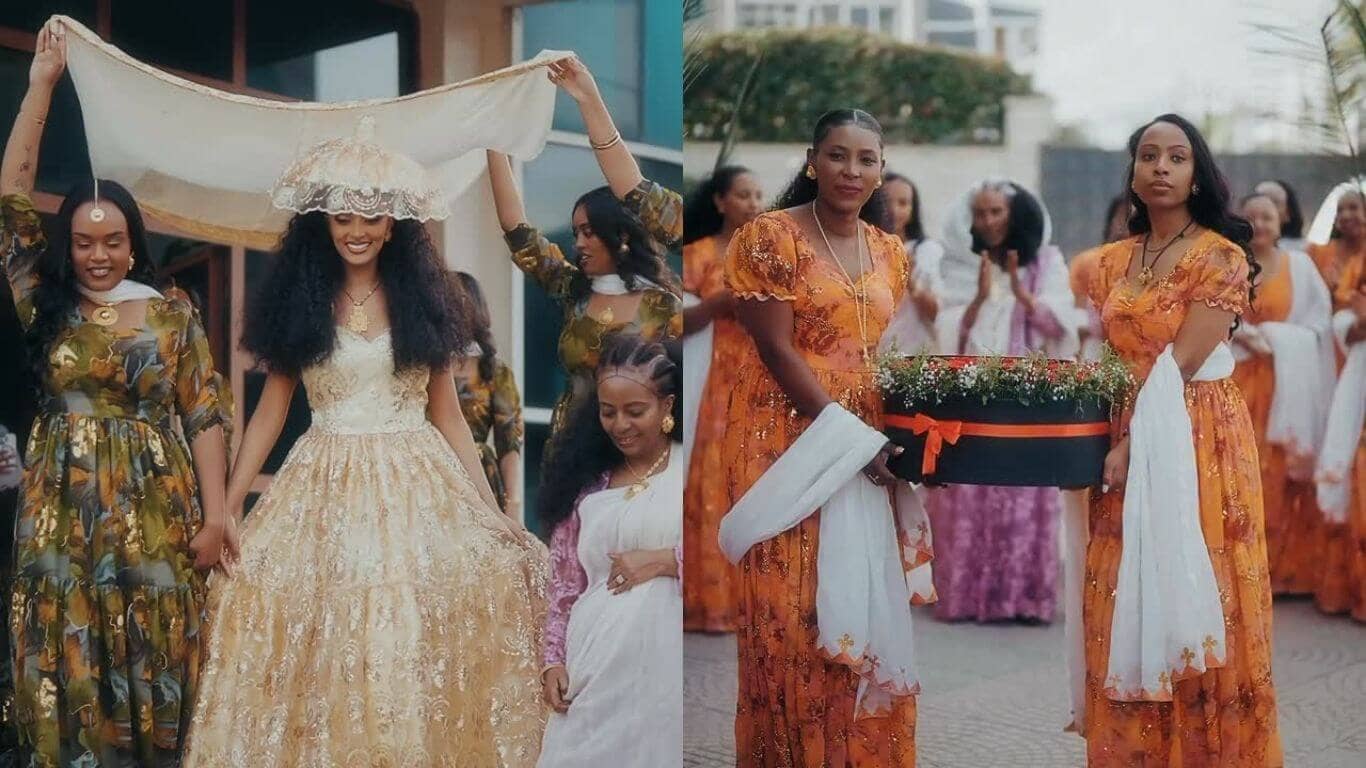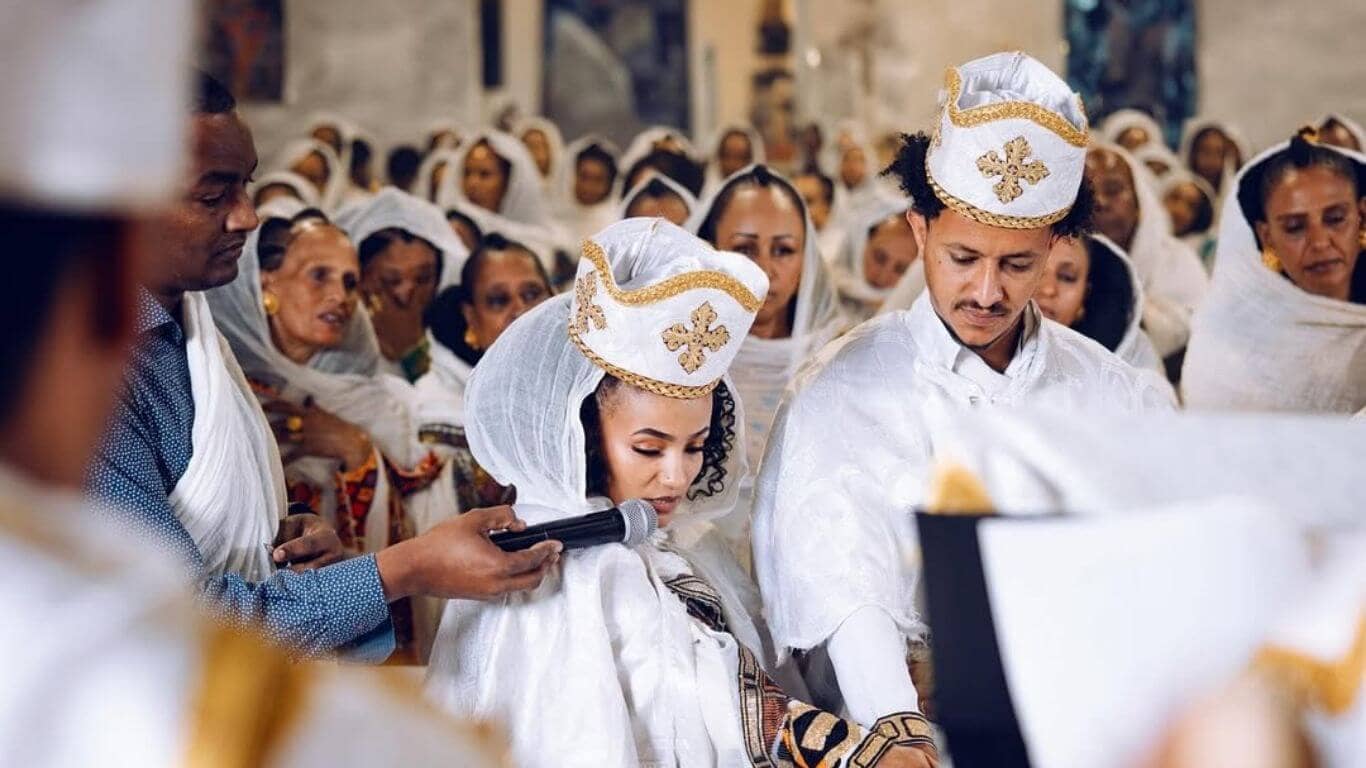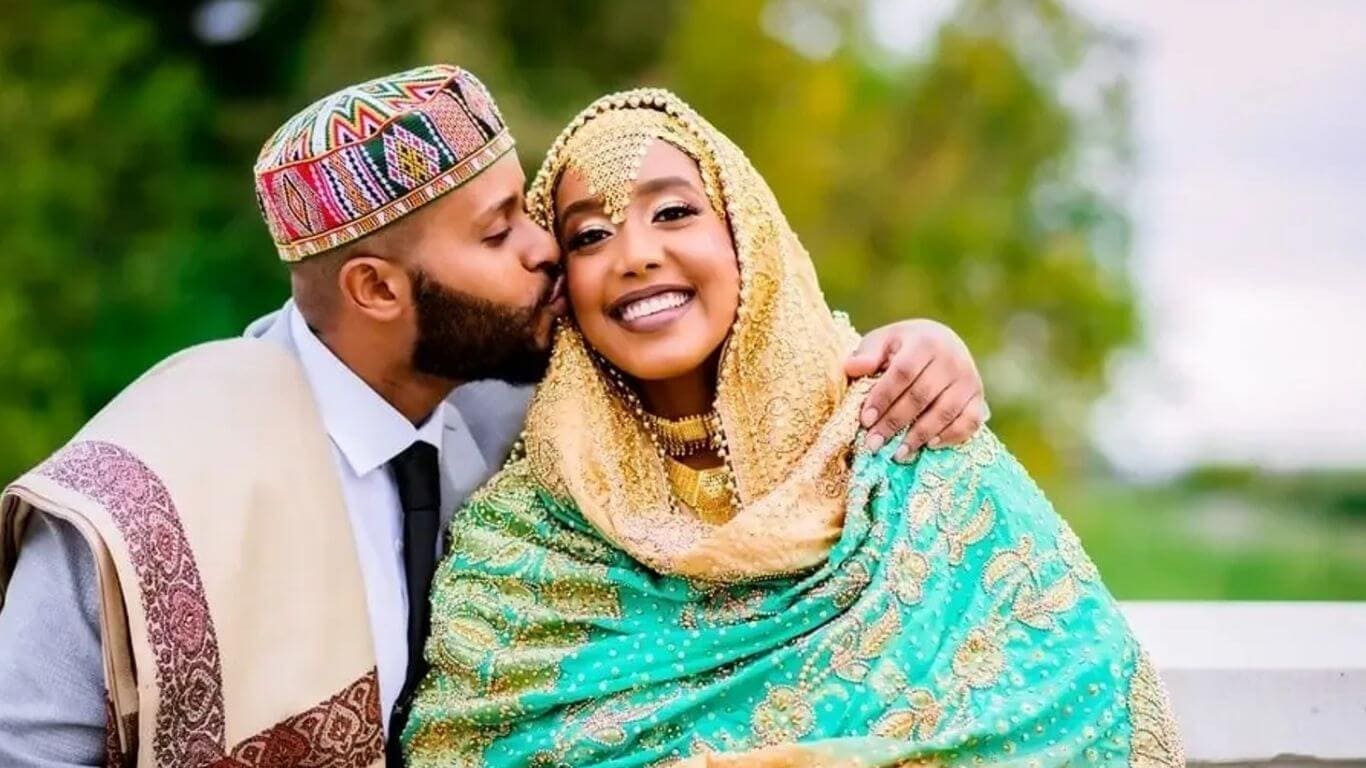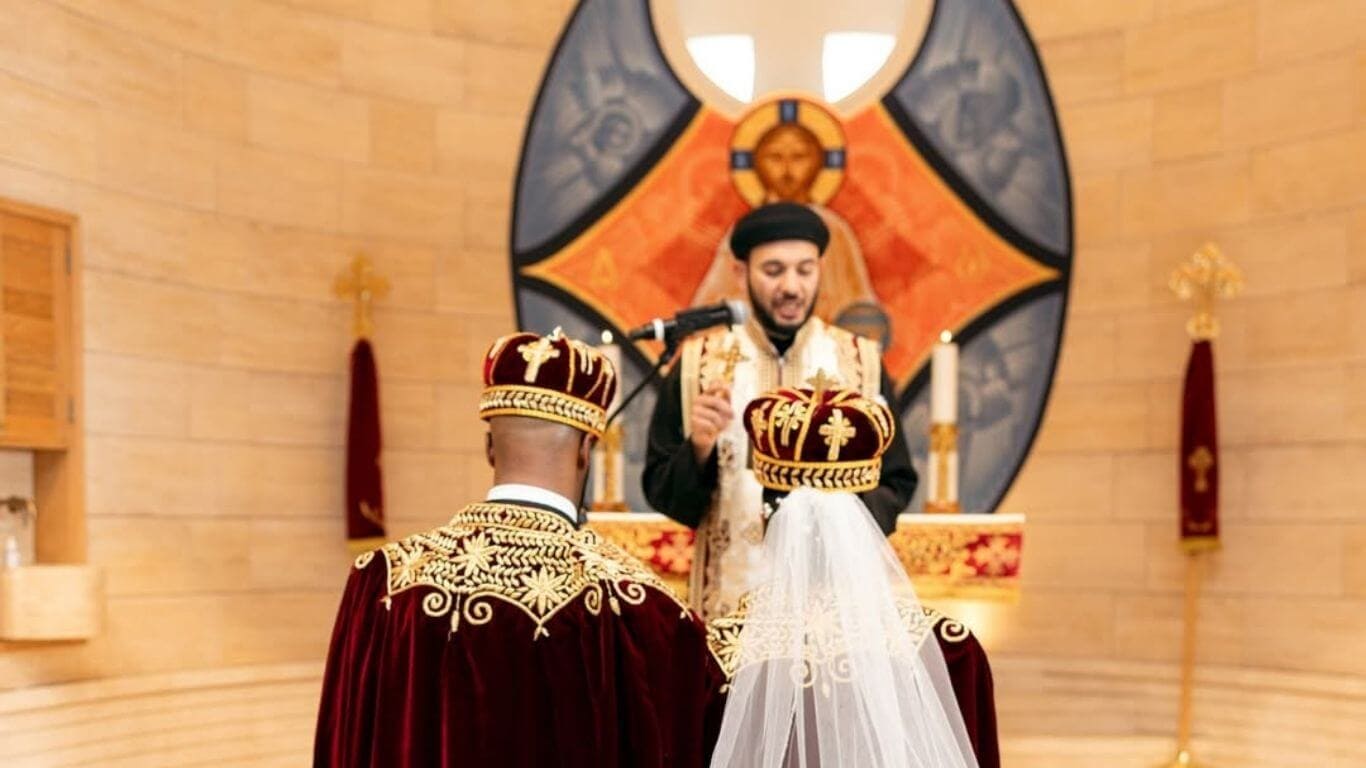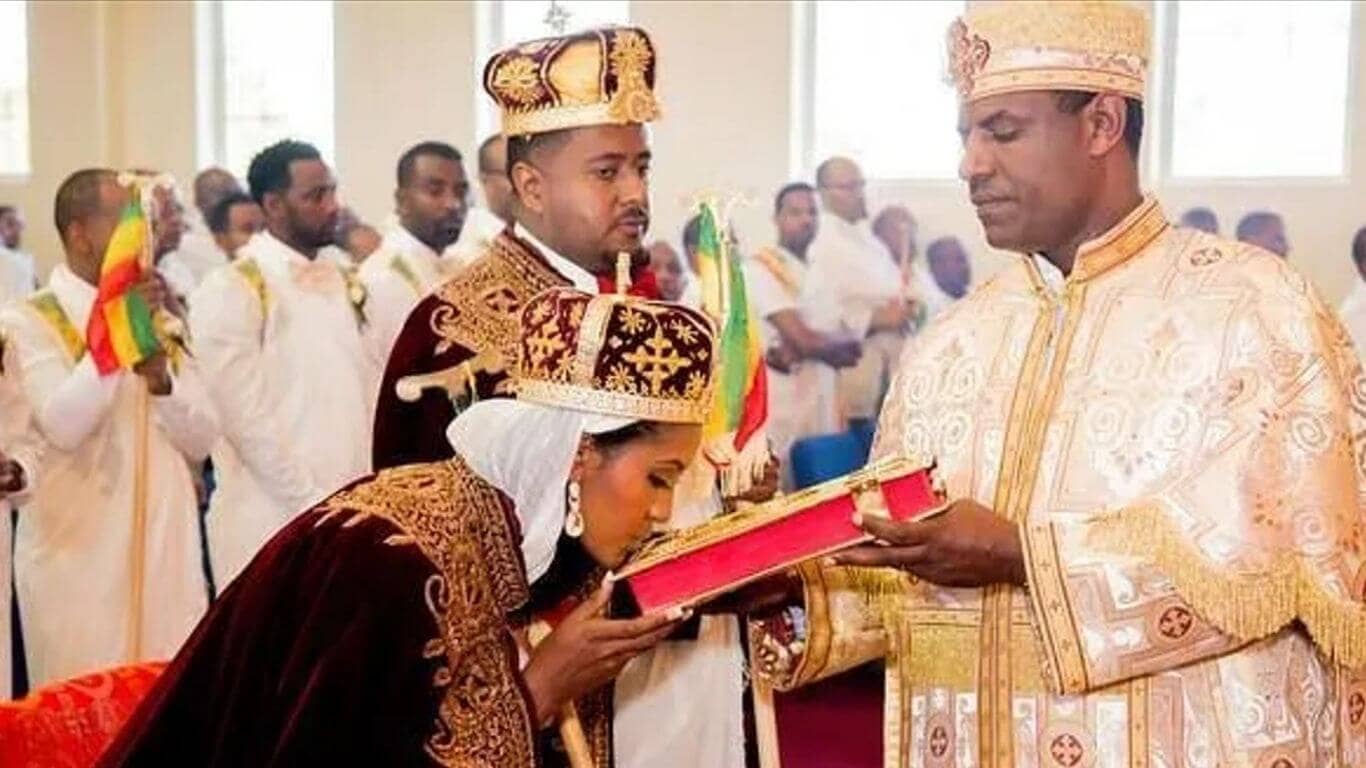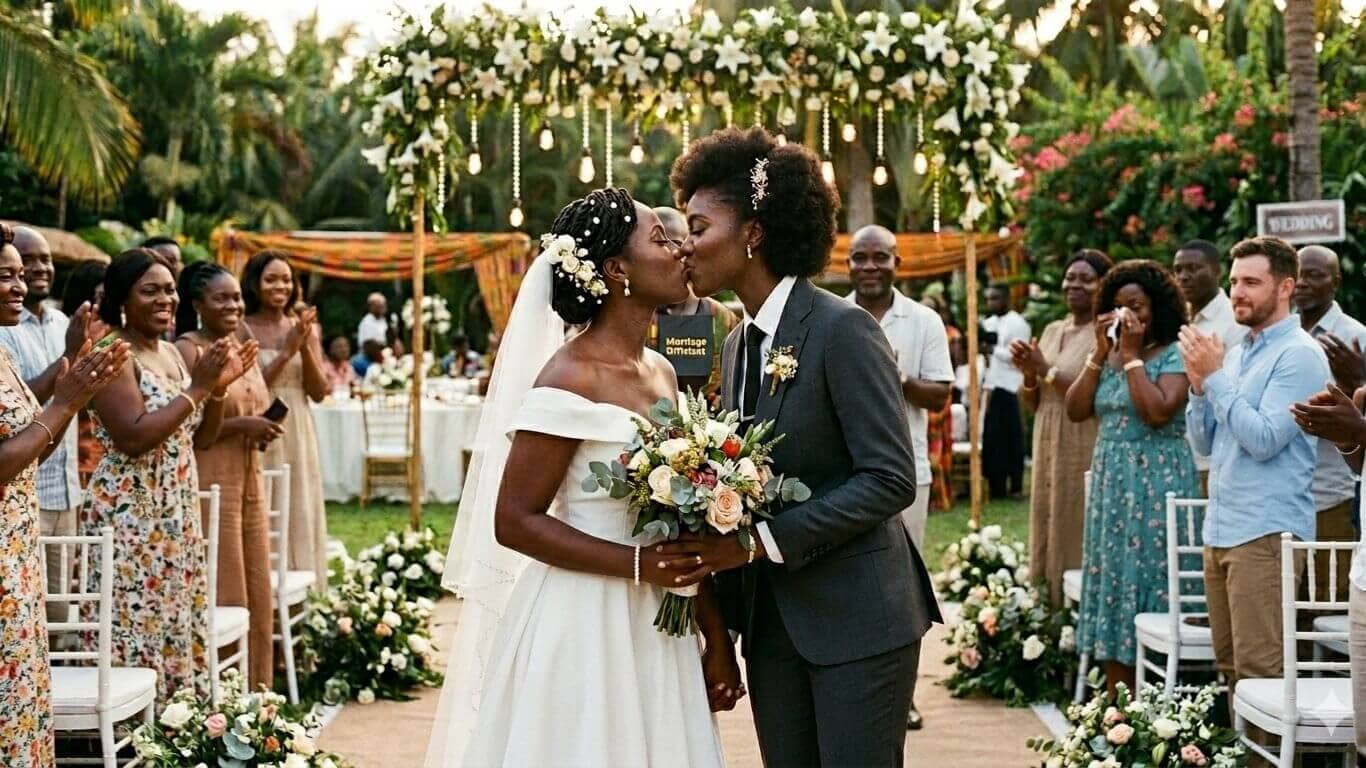
Uganda is known for its rich wedding culture, but same-sex marriage remains illegal under the Anti-Homosexuality Act. For LGBTQ+ individuals, marriage in Uganda is shaped by both legal restrictions and social realities.
Uganda is widely known for its vibrant wedding culture, strong family traditions, and deeply rooted religious values. From introduction ceremonies to large church celebrations, weddings in Uganda are often seen as major community events shaped by culture, faith, and family expectations. Many of these traditions and customs play a significant role in how relationships and marriage are viewed across the country.
At the same time, conversations around LGBTQ+ rights in Uganda remain highly sensitive and legally complex. While Uganda continues to promote traditional marriage structures, same-sex marriage is prohibited under both the Constitution and the country’s Anti-Homosexuality Act. Over the years, the topic has attracted growing international attention because of the severity of the laws and the wider debate around human rights, religion, and cultural identity.
The discussion goes beyond marriage alone. It also touches on legal marriage rules, public opinion, personal safety, freedom of expression, and the everyday realities faced by LGBTQ+ individuals living in Uganda. Political leaders, religious groups, activists, and international organizations have all played a role in shaping the public conversation surrounding homosexuality and same-sex relationships in the country.
This article is designed to explain the legal, social, and cultural realities surrounding same-sex marriage in Uganda in a simple and balanced way. Rather than focusing on headlines or controversy alone, it looks at the laws, rights, safety concerns, and broader social environment that continue to shape LGBTQ+ life in Uganda today.

Is Same-Sex Marriage Legal in Uganda?
No. Same-sex marriage is illegal in Uganda and is not recognized under Ugandan law. The country’s Constitution defines marriage as a union between a man and a woman, making same-sex unions legally prohibited.
This constitutional ban was formally introduced in 2005 through an amendment to Article 31 of the Constitution. Since then, Uganda has maintained one of the strictest legal positions on same-sex relationships and marriage in Africa. The Anti-Homosexuality Act later strengthened these restrictions by introducing additional criminal penalties connected to same-sex relationships and marriage ceremonies.
Under Ugandan law, only certain forms of marriage are legally recognized. These include civil marriages, religious marriages, customary marriages, and Islamic marriages, all of which operate within the country’s existing legal marriage rules. In every case, the legal framework recognizes marriage only between opposite-sex partners.
Uganda also does not recognize same-sex marriages or unions performed in other countries, even if they are legally valid elsewhere. This means a same-sex couple legally married abroad would still not receive marital recognition or protection under Ugandan law.
Understanding Uganda’s Anti-Homosexuality Act
Uganda’s Anti-Homosexuality Act became law in May 2023 after being signed by President Yoweri Museveni. While same-sex relationships had already been criminalized for decades under older colonial-era laws, the 2023 legislation introduced much harsher penalties and expanded the scope of what could be punished under the law.
Before the 2023 Act, Uganda mainly relied on sections of the Penal Code inherited during British colonial rule. These older laws criminalized what was described as “unnatural offences” and “gross indecency,” with penalties that could include life imprisonment. However, the newer Anti-Homosexuality Act went much further by introducing broader offences specifically targeting LGBTQ+ individuals, same-sex relationships, advocacy, and public expression.
Under the 2023 law, consensual same-sex relations can lead to life imprisonment, while “aggravated homosexuality” carries the death penalty in certain circumstances defined under the Act. The law also introduced a prison sentence of up to 10 years for people involved in same-sex marriage ceremonies, including those attempting to contract or conduct such unions.
One of the most controversial parts of the legislation is the provision around the so-called “promotion of homosexuality.” This section allows penalties of up to 20 years in prison for activities authorities interpret as supporting or promoting LGBTQ+ rights or identity. Rights groups, health organisations, activists, and legal experts have argued that the wording is broad enough to affect advocacy work, public discussion, community organisations, and even access to support services.
The law quickly attracted international attention because of both its severity and its wider impact on civil liberties and human rights discussions. Governments, human rights organisations, and international institutions criticised the legislation, while supporters inside Uganda defended it as protecting cultural, religious, and family values. The debate surrounding the law has since become one of the most widely discussed political and human rights issues connected to Uganda in recent years.
The Anti-Homosexuality Act has also faced several legal challenges. In 2024, Uganda’s Constitutional Court upheld most of the law while striking down a few specific provisions, including parts related to mandatory reporting and certain restrictions connected to housing and healthcare access. Even with those changes, the core provisions of the law remain in force today.
Why the Anti-Homosexuality Law Became So Controversial
Uganda’s Anti-Homosexuality Act quickly became one of the most talked-about laws in the world because it went far beyond banning same-sex marriage. The law introduced extremely harsh penalties, including life imprisonment and, in some cases, the death penalty for what the Act describes as “aggravated homosexuality.” That immediately placed Uganda at the center of a global debate around human rights, personal freedom, religion, and state power.
International organisations such as Human Rights Watch, the United Nations, and several LGBTQ+ advocacy groups strongly criticised the law, arguing that it increases discrimination, fear, violence, and restrictions on civil liberties. Foreign governments, including the United States and some European leaders, also condemned the legislation, while institutions like the World Bank paused or reviewed certain funding discussions connected to Uganda.
Inside Uganda, however, the reaction was very different. Many political leaders, religious figures, and conservative groups publicly supported the law, describing it as a way to defend cultural values, religion, and traditional family structures. Churches, mosques, and community leaders played a major role in shaping public opinion, and many supporters argued that homosexuality conflicts with Ugandan traditions and beliefs.
The debate soon moved beyond politics and into everyday life. International media outlets covered the story heavily, and rights organisations documented arrests and reported abuses, while supporters of the law accused Western countries of trying to pressure Uganda into abandoning its cultural identity. For many Ugandans, the issue became tied to sovereignty, religion, morality, and resistance to foreign influence.
At the same time, LGBTQ+ activists and human rights lawyers continued challenging parts of the law in court, arguing that it violates constitutional protections and fundamental rights. Even after some provisions were struck down in 2024, the broader controversy surrounding the law never really disappeared. It remains one of the most divisive and internationally discussed legal issues in Uganda today.
What Is Life Like for LGBTQ+ People in Uganda?
For many LGBTQ+ people in Uganda, daily life often involves balancing privacy, safety, family expectations, and public perception. Beyond the legal restrictions, there is also a strong social stigma surrounding homosexuality in many communities. Because of this, many people choose to keep their identity private, even among friends, coworkers, or relatives.
Family pressure is one of the biggest challenges many LGBTQ+ Ugandans face. In a country where religion, marriage, and traditional family structures carry deep cultural importance, being openly gay or transgender can lead to rejection, isolation, or conflict at home. Some people lose contact with family members, while others are pressured into hiding their identity or entering relationships that fit social expectations.
Housing and employment can also become difficult. Rights groups and activists have reported cases involving evictions, job loss, workplace discrimination, and public exposure after someone is suspected of being LGBTQ+. In some situations, online photos, videos, or social media posts have reportedly led to harassment, threats, or public outing. Because of this, many LGBTQ+ Ugandans avoid visibility online and remain extremely cautious in public spaces.
Safety concerns are another major reality. Over the years, local activists and international organizations have documented arrests, mob harassment, blackmail, assaults, and public shaming linked to perceived sexual orientation or gender identity. Some arrests have gained national attention, including recent cases involving people accused of same-sex activity after being reported by community members.
At the same time, experiences can vary depending on family background, location, social circles, and visibility. Some people quietly build support systems through trusted friends, advocacy groups, or private communities, while others choose to leave the country entirely. For many LGBTQ+ Ugandans, privacy is not simply about secrecy. It is often viewed as protection, stability, and personal safety in a highly sensitive social and legal environment.
Do Same-Sex Relationships Have Any Legal Rights in Uganda?
Here’s the straightforward reality: same-sex relationships in Uganda do not enjoy legal recognition or protection under current law. The legal system is built around a strict definition of marriage and family, which leaves same-sex couples outside most of the rights and protections that heterosexual couples receive.
Under Uganda’s legal framework, marriage is only recognized as a union between a man and a woman. That means same-sex partnerships are not acknowledged in any official capacity, whether they are formed locally or abroad. Even if a couple is legally married in another country, Uganda does not recognize that union.
The impact goes beyond marriage. Same-sex partners do not have inheritance rights from each other, and there is no legal pathway for things like joint property ownership or next-of-kin recognition. In practice, this often leaves surviving partners without legal standing if one partner dies or becomes incapacitated.
Adoption laws also do not extend to same-sex couples, and there is no legal recognition for shared parental rights. On top of that, there are no anti-discrimination protections based on sexual orientation, which affects access to housing, employment, and public services.
Healthcare decision-making is another major gap. Partners are not recognized as legal next of kin, which can create complications in medical emergencies or hospital settings where family consent is required.
Finally, LGBTQ+ organizations operate in a highly restricted space. Advocacy is often constrained by laws that criminalize the “promotion” of homosexuality, which limits public education, support services, and open community organizing.
What all of this means is simple: in Uganda, same-sex relationships exist socially for some people, but legally, they are invisible.
The Role of Religion and Culture in Uganda’s LGBTQ+ Debate
Religion and culture sit at the center of how Uganda views sexuality and marriage. Christianity and Islam are the two dominant faiths, and both have a strong influence not just in daily life but also in shaping public policy and social attitudes.
In many churches and mosques, same-sex relationships are openly described as sinful or unacceptable. For example, Rev. Canon John Awodi of All Saints’ Cathedral in Kampala has repeatedly said that homosexuality goes against “the order of God,” a view echoed in many sermons across the country. Similar messages are common in both Christian and Muslim communities, where religious teaching is closely tied to ideas of morality and family life.
Culture also plays a major role. Ugandan society is largely built around conservative family structures, where marriage is expected to lead to children and the continuation of the lineage. This expectation shapes how many people view relationships, and anything outside that structure is often seen as incompatible with tradition.
Because of this, religious arguments frequently blend with cultural expectations in public debate. Leaders often frame opposition to same-sex marriage as protecting national values, tradition, and spiritual identity. These views don’t just stay in places of worship; they often spill into political speeches, media discussions, and everyday conversations.
The result is a social environment where religion and culture reinforce each other. That influence has helped shape both public opinion and the direction of legislation, making the LGBTQ+ debate in Uganda not only a legal issue but also a deeply cultural and religious one.

Uganda’s Constitutional Court and Legal Challenges
Uganda’s approach to LGBTQ+ rights has played out not only in parliament and public opinion but also in the courts. Over the years, legal challenges have tested how far the Constitution protects individual rights compared to what lawmakers have passed.
One of the key moments came in 2014, when an earlier version of the Anti-Homosexuality Act was struck down by the Constitutional Court. The decision was not based on the content of the law itself but on procedural issues, specifically that Parliament did not meet the required quorum when passing it. That ruling temporarily removed the law from the books.
However, the legal direction changed again with the 2023 Anti-Homosexuality Act. In 2024, Uganda’s Constitutional Court upheld most parts of the law after it was challenged in court. While a few sections were removed, including provisions around mandatory reporting and some related penalties, the core criminalization measures were left intact.
The court’s reasoning leaned heavily on the idea that Uganda’s cultural and social context must be considered when interpreting constitutional rights. That approach has been widely debated by legal scholars and human rights groups, especially given Uganda’s international obligations.
Despite the ruling, legal advocacy has not stopped. Rights groups and activists continue to challenge aspects of the law and push for constitutional interpretation that prioritizes privacy, equality, and non-discrimination. Some cases are still moving through the courts, and others are expected in the future.
What this really means is that the legal story is still unfolding. The Constitutional Court has already played a major role, but it hasn’t closed the debate.
International Reactions to Uganda’s LGBTQ+ Laws
Uganda’s Anti-Homosexuality Act didn’t stay a domestic issue for long. Once it was passed, it quickly triggered a wave of global reactions that pulled in governments, financial institutions, and human rights organizations.
Some of the strongest responses came from the United States, the European Union, and the United Nations, all of which raised concerns about human rights, discrimination, and safety for LGBTQ+ people. The US introduced visa restrictions on certain officials linked to the law, while international rights groups like Human Rights Watch and Amnesty International called for its repeal, arguing it violates basic protections around privacy and equality.
Aid and funding also became part of the conversation. The World Bank initially paused new lending to Uganda over concerns that its projects could indirectly contribute to discrimination. That decision was later reversed after the institution said it had introduced safeguards meant to prevent harm to LGBTQ+ people in funded programmes. The move sparked debate, with some praising the approach and others questioning whether economic pressure is the right way to influence domestic laws.
International organisations also pointed to the broader impact beyond politics. Reports estimated that Uganda lost hundreds of millions of dollars in potential financing and investment after the law passed, affecting development projects in areas like infrastructure and social services. Critics of the law say these economic consequences show how deeply human rights decisions can affect national development.
At the same time, Uganda’s government has consistently pushed back, arguing that the law reflects local cultural values and national sovereignty. Officials have dismissed parts of the international criticism as external interference, insisting that the country has the right to define its own moral and legal framework.
What this really shows is the tension at the heart of the debate: global human rights standards on one side and national cultural and political identity on the other.
Can LGBTQ+ Couples Safely Hold Weddings in Uganda?
In practical terms, public same-sex wedding ceremonies in Uganda are not safe and are not legally recognized. The law does not just ignore them; it actively criminalizes same-sex relationships and any attempt to formalize them as marriage.
On the legal side, this creates a serious risk. Under the Anti-Homosexuality Act, participating in or conducting a same-sex marriage ceremony can lead to criminal penalties, including imprisonment. Even gatherings that resemble a wedding can attract legal attention if they are interpreted as promoting or celebrating same-sex relationships.
Social visibility adds another layer. In many communities, public expression of LGBTQ+ identity can lead to stigma, reporting by community members, or unwanted attention from authorities. This is why most LGBTQ+ couples in Uganda avoid any form of public ceremony or announcement.
Because of this environment, traditional wedding ceremonies like those seen in heterosexual marriages are extremely difficult to hold safely. Public venues, formal invitations, and open celebrations carry risks that most couples are not willing or able to take.
Instead, what some people refer to as private commitment ceremonies happen quietly and informally. These are not legally recognized as marriage and are usually kept away from public attention. They exist more as personal or symbolic commitments rather than formal unions under Ugandan law.
The difference is important. A legal marriage in Uganda is strictly defined as between a man and a woman, while any same-sex union has no legal standing and no official protection. That gap is what shapes how LGBTQ+ relationships are lived on the ground.
Common Questions About Same-Sex Marriage in Uganda
This section pulls together the most common questions people ask about LGBTQ+ rights and marriage laws in Uganda. The answers are direct, based on current law and how it is applied.
- Can foreigners in same-sex relationships marry in Uganda?
- No. Uganda does not allow same-sex marriage under any circumstances, including for foreigners. Local law applies to everyone within the country, regardless of nationality.
- Can Uganda recognize same-sex marriages from other countries?
- No. Even if a same-sex couple is legally married abroad, Uganda does not recognize that marriage. It has no legal standing in the country.
- Can LGBTQ+ organizations legally operate in Uganda?
- Operating is heavily restricted. Some organizations have faced registration challenges or shutdowns, especially those involved in advocacy. Groups that exist tend to work under strict conditions and legal uncertainty.
- Is homosexuality illegal in Uganda?
- Same-sex relationships are criminalized under the Anti-Homosexuality Act and other laws. This includes penalties for consensual same-sex acts, and in some cases, harsher penalties depending on circumstances.
- What does “aggravated homosexuality” mean?
- It is a legal category under Ugandan law that refers to specific situations such as same-sex acts involving minors, elderly persons, or people with disabilities or cases involving repeated offenses. It carries the most severe penalties under the law.
- Can Uganda’s anti-homosexuality laws change in the future?
- Yes, laws can change through Parliament or court rulings. However, any change would depend on political will, legal challenges, and shifts in public opinion. For now, the current legal framework remains in force.
Final Thoughts
Uganda has a deeply rooted wedding culture shaped by tradition, family expectations, and clear legal rules around marriage. At the same time, the law sets strict boundaries on what is recognized, especially when it comes to same-sex relationships. That contrast is really what defines the conversation around marriage in the country today.
When you look closer, it becomes clear that this topic sits at the intersection of law, religion, culture, and personal identity. Each of these forces shapes how people live, what is accepted publicly, and what remains private. It’s not a simple issue, and it doesn’t exist in isolation from everyday life.
At the center of it all are real people navigating safety, dignity, and belonging within a system that leaves little legal space for them. That’s why understanding the laws and the social context matters. It’s not just about policy; it’s about how those policies shape human lives in very real ways.
For anyone planning on marrying in Uganda, whether between two adult Ugandans or a Ugandan and a foreigner, you can read more about the types of marriages in Uganda recognised by the law.