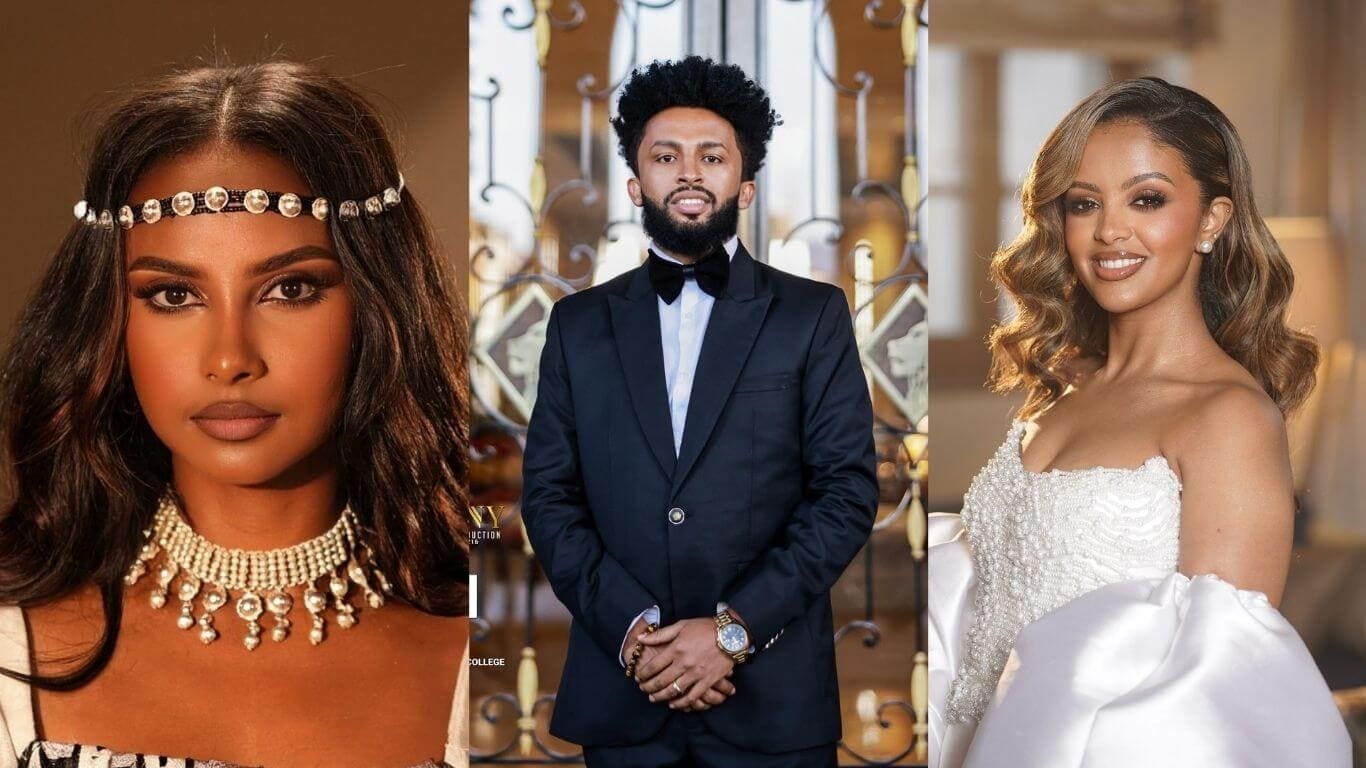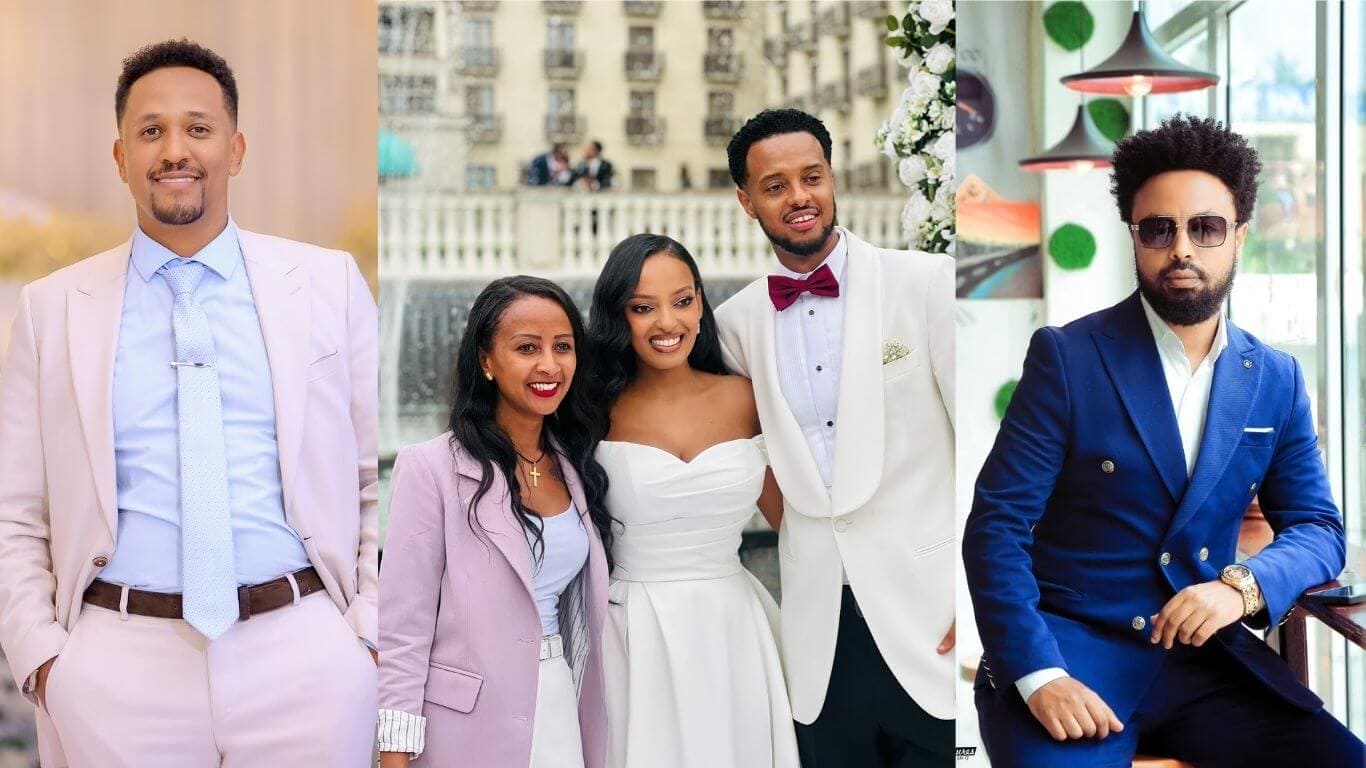
What people wear to weddings in Uganda tells a story of culture and tradition. This is everything to know about wedding dress styles for brides, grooms, the wedding party, and guests.
Weddings in Uganda are a blend of deep-rooted tradition and modern celebration. Most couples move through three key moments: the traditional introduction, the white wedding, and the reception, each with its own meaning and atmosphere. What people wear shifts across these stages, from cultural outfits that honor family heritage to formal styles influenced by church weddings and contemporary trends. If you want a broader picture of how it all fits together, A Complete Guide to Weddings in Uganda breaks it down in detail.
At the heart of it all are customs that shape how these weddings unfold. The introduction ceremony, often called Kwanjula, and the wedding itself, Kuhingira, aren’t just events; they’re processes that bring families together and set expectations. From the way the bride is presented to the structured exchanges between families, everything has meaning, and attire plays a quiet but important role in reflecting respect, identity, and belonging.
Then there’s bride price, which sits right at the center of many Ugandan marriages. It’s not just about cost; it’s about negotiation, symbolism, and the relationship between two families. The process can be detailed and, at times, intense, but it ultimately reinforces the value placed on marriage and tradition, and even here, presentation and dress matter more than people often realize.
All of this carries into what people actually wear. From the elegance of the Gomesi to the sharp look of the Kanzu and the influence of modern suits and gowns, Ugandan wedding attire tells its own story at every stage of the celebration. To understand how it all comes together, it helps to start with a closer look at the overall style and structure of wedding attire in Uganda.

Overview of Wedding Attire in Uganda
Wedding attire in Uganda is deeply tied to culture, and that starts with tribe. With over 50 ethnic groups, what people wear isn’t random; it reflects identity, region, and tradition. In central Uganda, especially among the Baganda, the gomesi stands out as the defining outfit for women, while men wear the kanzu, often layered with a jacket. In western regions, you’ll see outfits like the mushanana (also called suuti), styled differently depending on the tribe. Even beyond clothing, accessories like beads, cowrie shells, and handmade jewelry carry meaning, from status to fertility to family heritage.
At the same time, religion and Western influence have shaped how people dress, especially during the white wedding. Church ceremonies introduce the classic white gown for brides and suits or tuxedos for grooms, creating a clear contrast from the traditional introduction ceremony. Muslim weddings and civil ceremonies also come with their own dress expectations, but across the board, you’ll often see couples blending both worlds, wearing traditional attire for one part of the celebration and switching to Western styles for another.
That’s why attire in Uganda changes across the different stages of a wedding. The traditional ceremony leans heavily into traditional dress, where symbolism and family representation matter most. The white wedding shifts toward formality and modesty, influenced by religion and global wedding norms. Then comes the reception, where things open up a bit, outfit changes are common, styles become more expressive, and you’ll often see a mix of traditional fabrics and modern fashion.
At a glance, a Ugandan wedding wardrobe includes a few key pieces. For women, that could be the gomesi, busuti, or a draped sukka, depending on the region. For men, the kanzu remains central, usually paired with a jacket, and sometimes finished with a kofia cap. Alongside these are modern gowns, suits, and tailored outfits worn during the white wedding and reception. Together, these styles tell the full story of a Ugandan wedding, one that moves between tradition, ceremony, and celebration.

Traditional Wedding Attire in Uganda (Introduction Ceremony)
The traditional wedding in Uganda, often known as the introduction ceremony or Kwanjula, is where everything begins. It’s not just about the couple; it’s about families meeting, negotiating, and formally recognizing the union. This is the moment where culture is on full display, and naturally, what people wear carries weight. Every outfit is chosen with intention, reflecting respect for tradition, family pride, and the significance of the day.
Because of that, dress expectations are clear. This is a formal, highly cultural event, and traditional attire is not just encouraged; it’s often expected. Bright colors, structured silhouettes, and carefully selected fabrics dominate the space. It’s less about personal style and more about representing where you come from and showing up appropriately for the occasion. Even guests are expected to dress in a way that aligns with the tone set by the families.
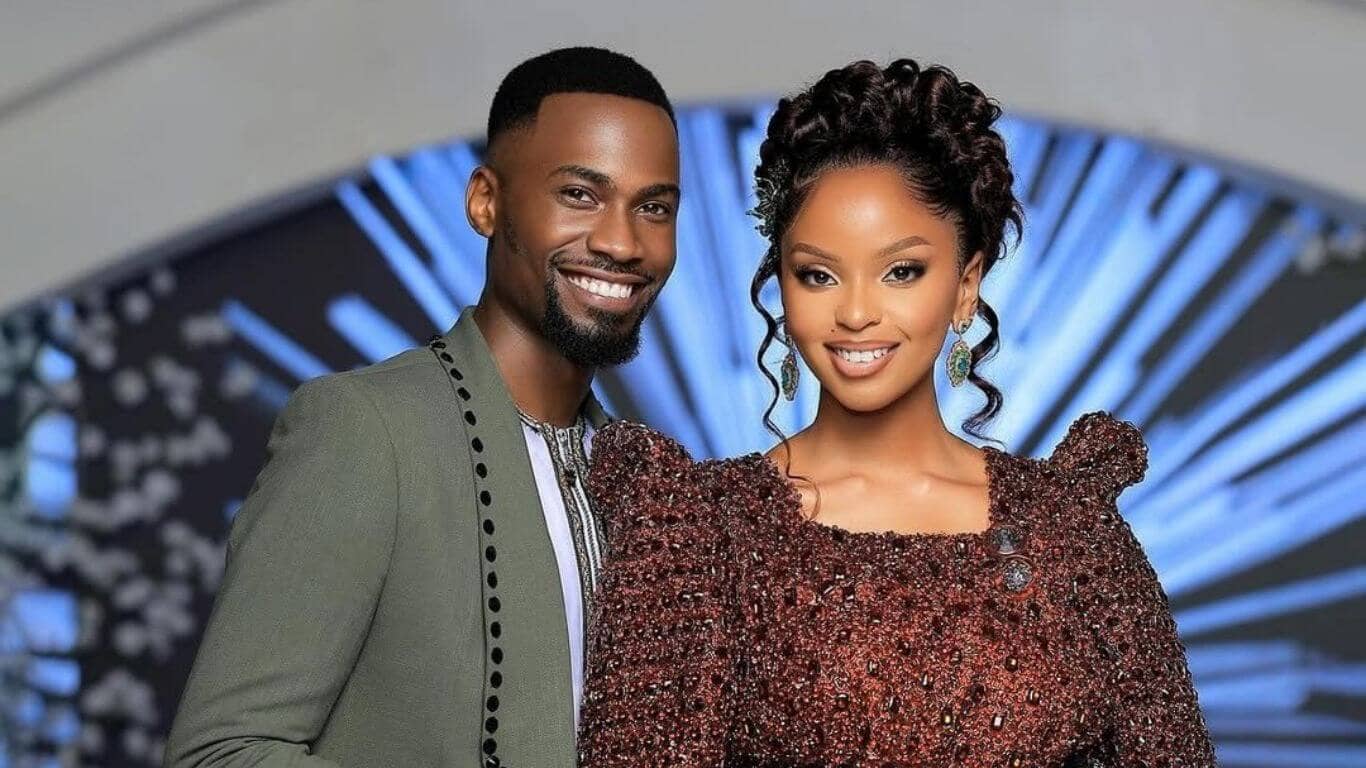
For the bride, this usually means the gomesi, a bold, elegant dress that instantly signals tradition and status. She may change outfits multiple times throughout the ceremony, each look carefully styled. The groom, on the other hand, typically wears a kanzu, often layered with a suit jacket and sometimes paired with a kofia cap, presenting a clean and formal appearance.
Families and the wedding party also play a big role in the visual identity of the ceremony. Women often appear in coordinated gomesi or other traditional outfits like the busuti or mushanana, depending on their region, while men stick to kanzu with jackets or formal suits. Guests follow a similar pattern, dressing in traditional attire where possible, or at the very least, wearing well-tailored, modest outfits that respect the cultural setting.

White Wedding Attire in Uganda (Church Wedding)
The white wedding in Uganda reflects a strong Western and religious influence, usually taking place in a church setting. It’s the more familiar, globally recognized part of the celebration, shaped by Christian traditions and formal ceremony structure. After the cultural depth of the introduction, this stage leans into simplicity, order, and a different kind of elegance.
With that comes a clear level of formality. The setting demands modest, well-structured outfits that align with church expectations. There’s less experimentation here compared to the traditional ceremony; everything is more refined, coordinated, and intentional. The focus shifts from cultural symbolism to clean presentation and uniformity.
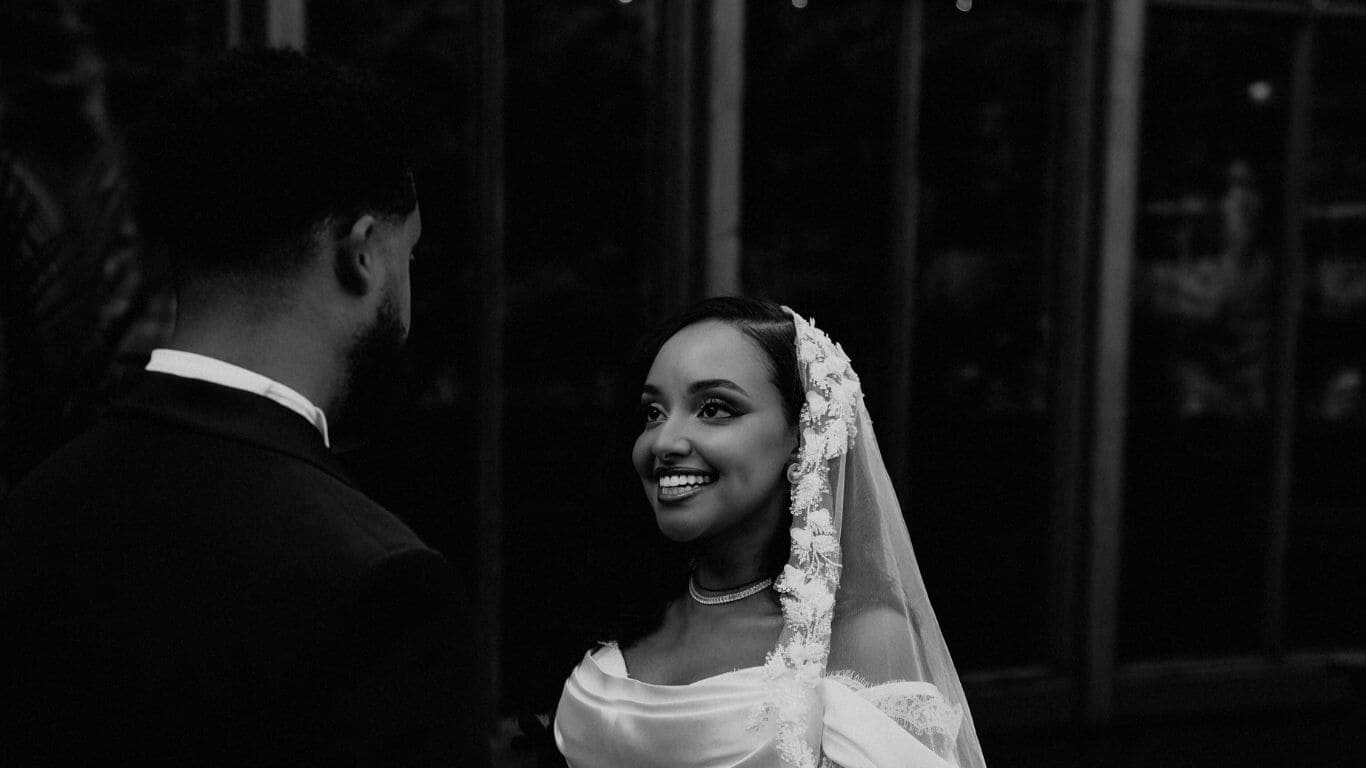
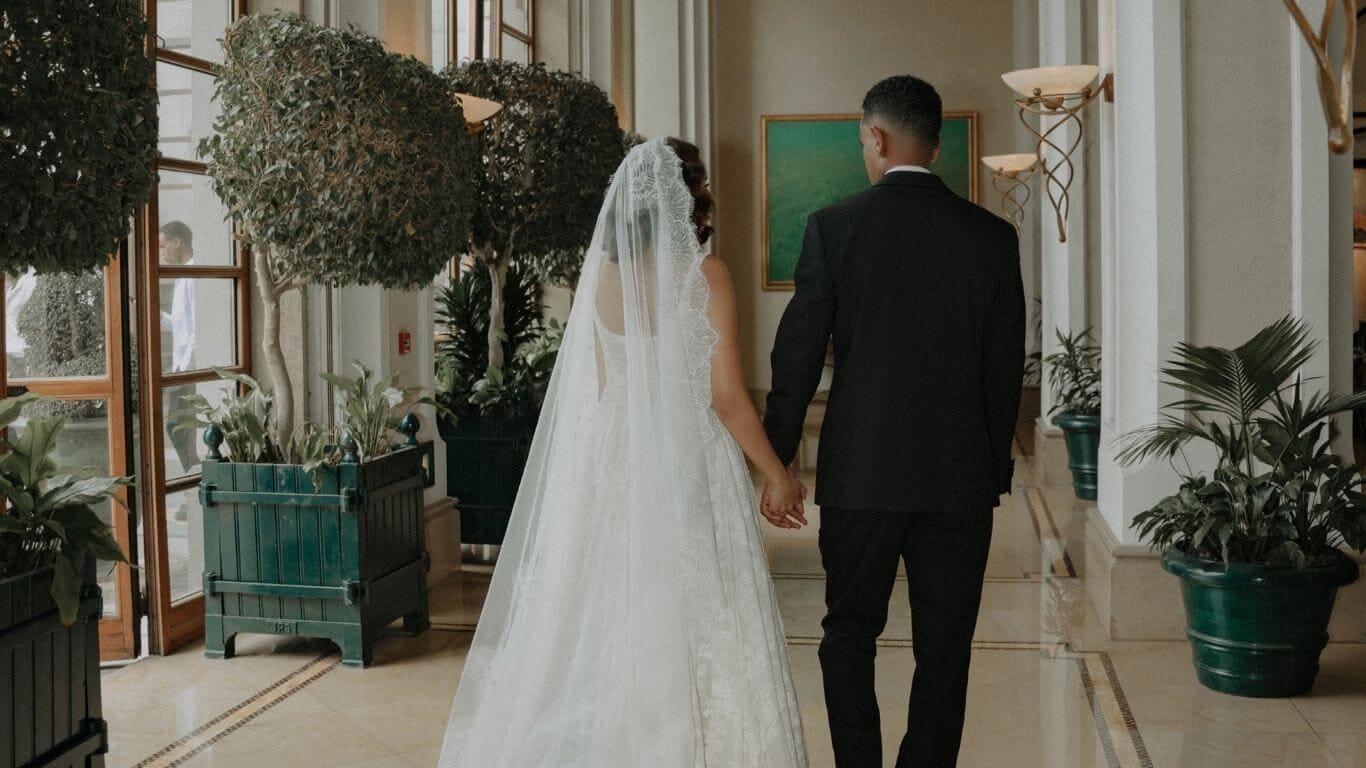
For the couple, this typically means a white wedding gown for the bride, often paired with a veil and carefully styled accessories, while the groom wears a suit or tuxedo. The bridal party follows suit, with bridesmaids in coordinated dresses and groomsmen in matching suits, creating a cohesive look.
Guests are expected to dress formally as well. For men, that usually means suits or smart traditional combinations, while women opt for elegant dresses that are stylish but still appropriate for a church setting. Overall, the white wedding in Uganda is about looking polished, respectful, and in sync with the tone of the ceremony.
Reception Attire in Uganda
The reception is where Ugandan weddings loosen up a bit. After the structure of the church ceremony, this part feels more relaxed but still very intentional when it comes to style. It’s a celebration space, so people tend to dress in a way that feels comfortable, expressive, and visually striking, without losing the sense of occasion.
One thing you’ll often notice is outfit changes. Brides commonly switch from their heavy traditional or white wedding looks into something lighter and more modern, sometimes a sleek dress or a redesigned traditional outfit that’s easier to move in. Grooms may also change into a different suit or a more relaxed formal look. Guests follow the same idea, shifting into outfits that feel more suited for dancing, socializing, and long hours of celebration.
This is also where modern trends show up more clearly. Fashion becomes more experimental, with fitted dresses, tailored suits, bold colors, and contemporary cuts taking center stage. At the same time, traditional elements don’t disappear; they often get reworked into modern designs, especially through fabrics like gomesi-inspired prints or Ankara styles.
What makes the reception stand out is this blend. Traditional identity and contemporary fashion sit side by side, creating a space where people can express personality while still staying connected to culture.

Wedding Attire by Role in Uganda
To really understand Ugandan wedding fashion, it helps to look at it through the people involved. Each role in the wedding tells its own story, from the bride and groom to the bridal party and guests, and what they wear shifts depending on the stage of the celebration. Here’s a breakdown of how attire changes across the traditional ceremony, white wedding, and reception.
What Ugandan Brides Wear
Before the Wedding
Before the main ceremonies begin, the bride’s style is usually more relaxed but still intentional. This is the stage of pre-wedding photos and introduction preparations, where outfits often mix modern fashion with subtle cultural touches. Think elegant dresses, coordinated sets, or styled traditional-inspired looks that hint at what’s coming next.
During the Traditional Wedding
This is where tradition takes full control. The bride typically wears a gomesi, a long, structured dress that carries strong cultural meaning. It’s often bright, carefully fitted, and styled with a sash at the waist. Accessories like jewelry and headpieces complete the look, but the focus is always on cultural identity and respect for family heritage.
During the White Wedding
For the church ceremony, the bride later steps into a classic white wedding gown, usually either bespoke or ready-made, depending on preference and budget. The look is clean, elegant, and modest, fitting the religious setting. Before that, she is often in bridal robes while getting ready, a common part of modern weddings used for photos, pre-ceremony content, and coordinated shots with bridesmaids that later feature in wedding highlights and social media edits.
At the Reception
The reception gives the bride room to relax and express her personal style. Many change into a lighter outfit, often a modern dress or a fusion look that blends traditional fabrics with contemporary design. It’s the most flexible part of the day, where comfort and celebration guide the outfit choice.


What Ugandan Grooms Wear
Before the Wedding
Before the main ceremonies, the groom’s outfits are usually modern and styled for photos, introductions, and general wedding prep. This is where you’ll see smart casual looks, tailored outfits, or coordinated pre-wedding shoot styling that feels polished but not overly formal.
During the Traditional Wedding
This is the most culturally grounded stage for the groom. The classic outfit is the kanzu, usually in white or cream, often worn with a suit jacket to elevate the look. In some modern weddings, especially those influenced by wider African fashion trends, you may also see kaftan or agbada-style outfits making an appearance, though these are more commonly associated with West African traditions. In Uganda, they are usually chosen for style or personal preference rather than cultural expectation.
Traditional details like embroidery, formal caps such as the kofia, and carefully chosen footwear complete the look, keeping it respectful and ceremony-appropriate.
@jbthetailor MEN SOO🔥🔥🔥🔥 #jbstouch💯💯🔥🇺🇬🇺🇬 #Groomsuits #weddingsuits #ugandasfinest🔥 ♬ original sound – @Jb's TAILORED
During the White Wedding
For the church ceremony, the groom typically switches into a suit or tuxedo. The styling here is more structured and formal, often in classic colours like black, navy, or grey. The focus is on a clean, elegant appearance that fits the religious setting and matches the bride’s white gown.
At the Reception
The reception allows more flexibility. Some grooms keep their white wedding suit, while others change into something more relaxed, like a lighter suit or a less formal outfit. It’s a space where comfort meets style, especially since this part of the day is all about celebration, movement, and long hours of interaction.


What the Bridal Party Wears in Uganda
Bridesmaids
At the traditional wedding, bridesmaids often wear coordinated gomesi or themed cultural outfits chosen to match the bride’s look or family colours. The goal is unity and respect for the ceremony’s cultural tone.
During the white wedding, their outfits shift into uniform dresses, usually in matching fabrics and colours. The styling is more structured and elegant, designed to complement the bride’s gown without overpowering it.
At the reception, bridesmaids may either keep their white wedding outfits or switch into something more relaxed or expressive, depending on how the couple wants the celebration to feel.
Groomsmen
For the traditional ceremony, groomsmen typically wear kanzu, sometimes paired with jackets or other coordinated cultural pieces, depending on the family’s preferences. The focus is on presenting a unified and respectful appearance.
In the white wedding, they move into matching suits or tuxedos that align with the groom’s look, keeping everything clean and coordinated for the church setting.
At the reception, changes are usually minimal. Some may loosen their styling slightly, but most keep a polished version of their white wedding outfit to stay consistent with the formal celebration.
Parents of the Couple
Parents tend to stand out through more elaborate and symbolic dressing, especially during the traditional ceremony. Their outfits often reflect status, family pride, and cultural identity, with carefully chosen fabrics and colours.
For the white wedding, they switch to formal and elegant attire, usually suits for men and refined dresses or gowns for women, keeping the look respectful and polished for the church setting.
At the reception, they may either keep their white wedding outfits or make subtle changes to more comfortable ones, while still maintaining a dignified and celebratory presence.
What Wedding Guests Wear in Uganda
Traditional Wedding
At the traditional ceremony, guests are encouraged to wear cultural attire. This is where gomesi, kanzu, and other traditional outfits come in, depending on region and personal background. Many families also choose specific colours or themes, so guests often coordinate around those to create a unified look. The focus here is respect, tradition, and cultural alignment.
White Wedding
For the church ceremony, the expectation shifts toward formal, modest attire. Men typically wear suits or smart formal wear, while women opt for elegant dresses that are respectful for a religious setting. The influence of Western wedding style is clear here, so the overall look is more structured, polished, and subdued compared to the traditional ceremony.
Reception
The reception is where guests tend to relax a bit more, but style still matters. Outfits become more expressive and diverse, ranging from Ankara prints and gomesi-inspired looks to modern dresses and tailored suits. It’s common to see a mix of traditional and contemporary fashion, especially as the celebration moves into dancing and socialising.
Even here, though, the couple’s dress code still matters. Whether it’s colour themes, fabric choices, or general formality, guests are expected to follow what was communicated, usually in the invitation. It’s a simple way of keeping the entire wedding visually and culturally in sync.
Final Thoughts
Ugandan wedding attire is a clear reflection of how tradition and modern fashion live side by side. From the gomesi and kanzu rooted in culture, to white gowns and tailored suits influenced by Western style, each outfit carries meaning beyond appearance. Across the traditional ceremony, church wedding, and reception, what people wear shifts with purpose, helping define the mood and importance of each stage.
At its core, wedding attire in Uganda is about identity, respect, and celebration. It connects families, honours culture, and still leaves room for personal expression. If you’re interested in the bigger picture, it also helps to look at how venues, costs, and customs shape the full wedding experience in Uganda.